
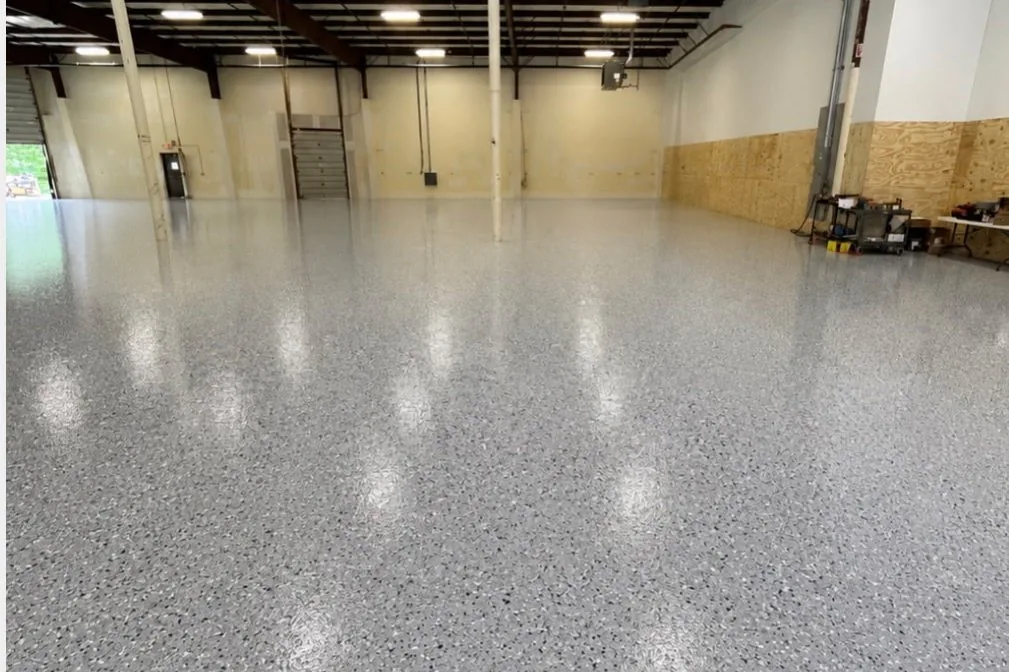
Full broadcast versus partial
Full means we throw chips until your floor rejects more. Partial means a scattering with base color showing between. Partial is faster, uses less material, and is what most cheap flake floors are.
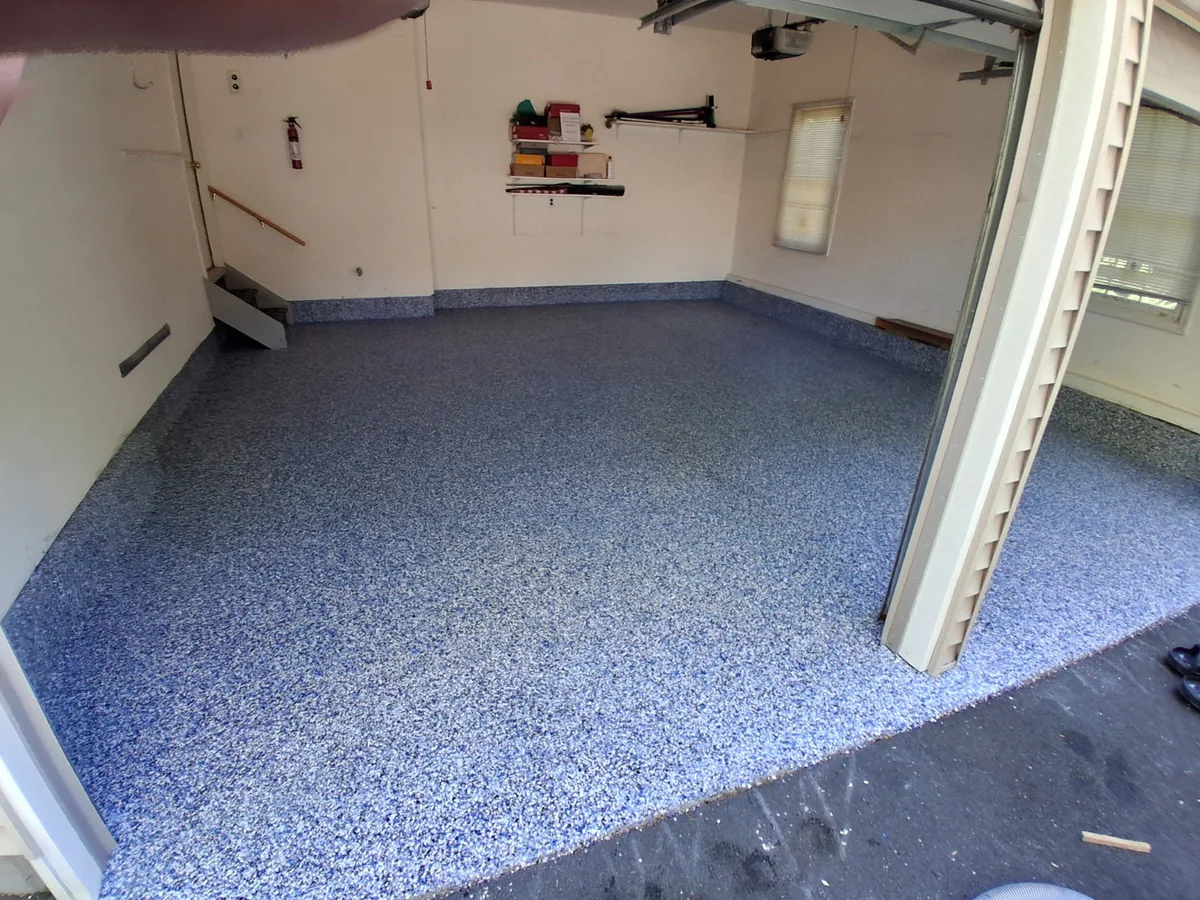
We broadcast vinyl chips into the wet base coat until your floor is covered, then seal it under clear. The chips give you texture underfoot, hide what your slab looks like, and stop every mark from showing. It is what we put in most garages and it sits at our base rate.
Free, no obligation, and nothing to sign. We answer the same day, weekends included.
Because your garage floor is a working floor. Flake handles the three things that make garage floors look bad.
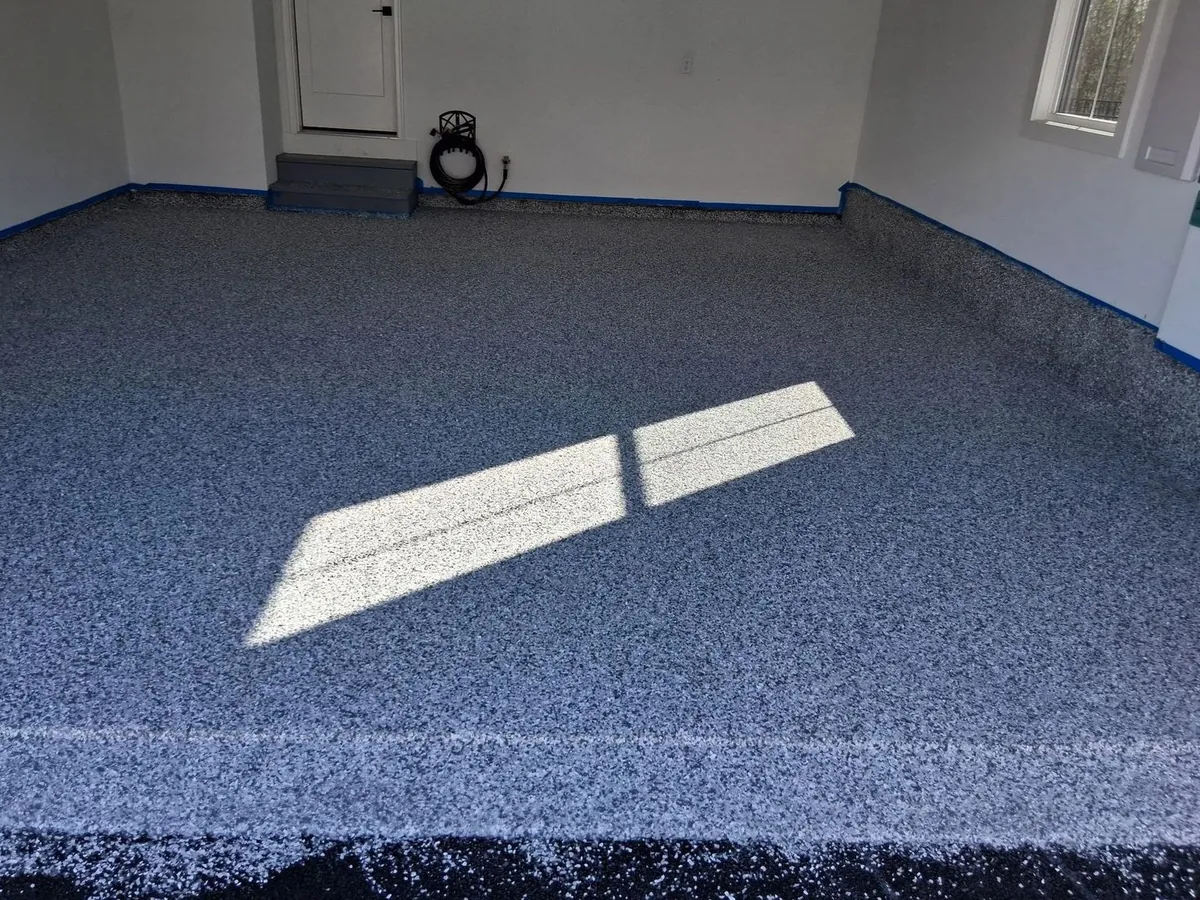
Most garage slabs are patched, stained and uneven in color. We broadcast flake to full coverage, so your finish does not depend on what was underneath.
The chip edges break the surface, so a wet floor from a car in the rain is not an ice rink. You can add more grit to the top coat if the floor slopes.
A solid color floor shows every drip and every scuff. A flake blend breaks the surface up visually, so your normal use does not read as damage.
We mix blends from several chip colors. The mix decides how busy your floor looks and how well it hides marks.
A blend with strong contrast hides dirt and wear better than a quiet one. If the garage is genuinely used, go busier than you think you want.
Chips look different across a whole floor than they do in your hand. Ask to see a blend on a job or on a sample board, not in a bag.
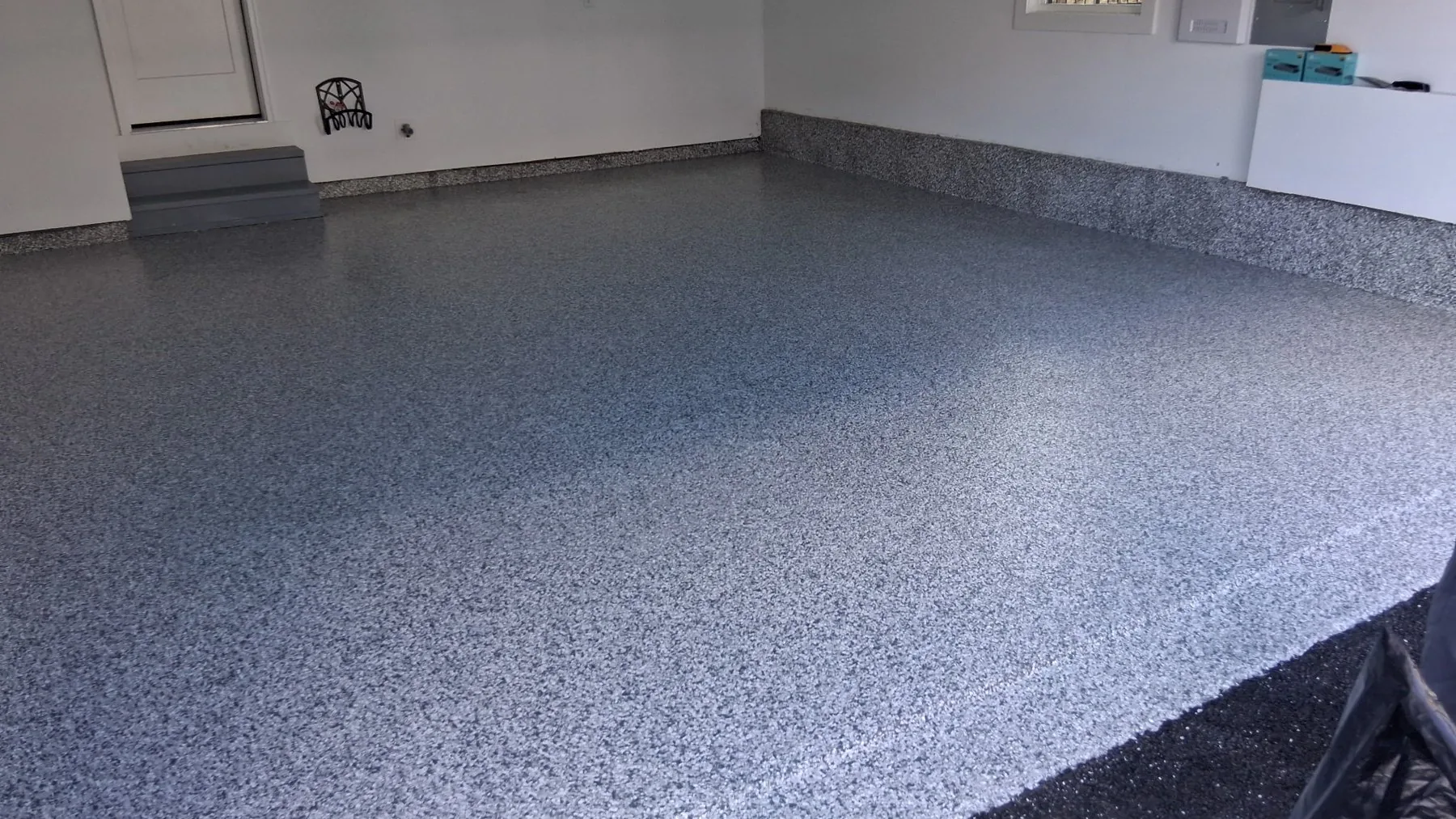
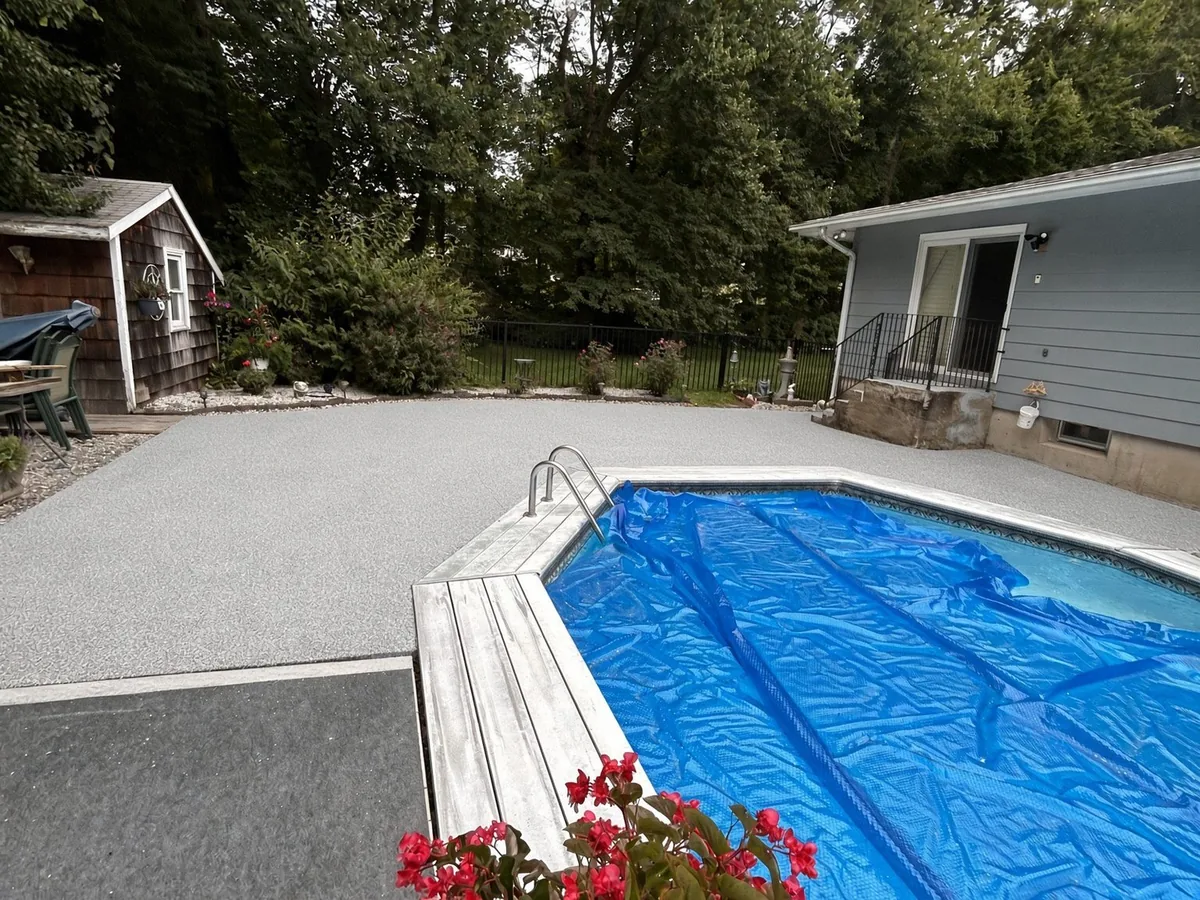
Every floor on this page is one we poured
The step that defines it is the broadcast, and the phrase worth knowing is to refusal.
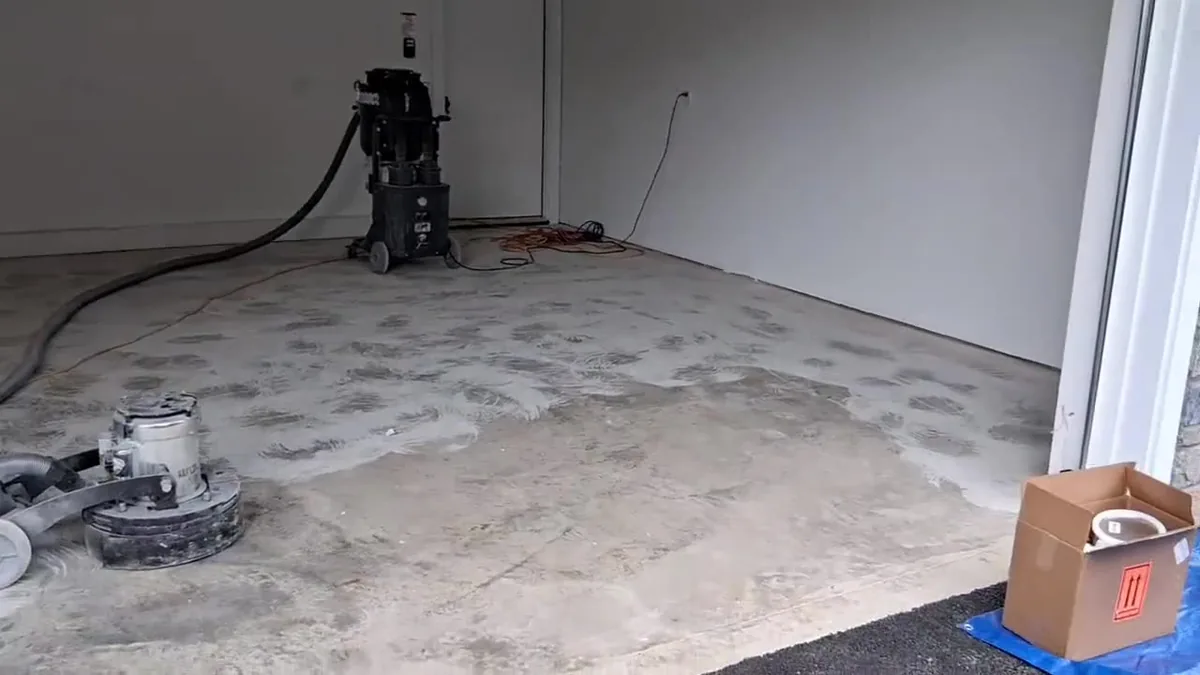
Bare concrete, cracks cut and filled, pits patched. We prime where your slab is porous or where moisture needs managing.
Your color goes down wet, and it is only partly a color decision: it is what shows in the gaps between chips if coverage is anything less than full.
We throw vinyl chips into the wet base until your floor will not take any more. Not scattered, not dusted. Full rejection is what gives you an even floor with no base color showing through.
Once it has cured we take the loose chips off and knock back the sharp edges standing proud, so your surface is flat enough to coat.
One or two, and this is where we put grit if your floor needs traction beyond what the chip texture gives.
The decision you will spend longest on, and the one with the clearest practical answer.
High contrast in the blend breaks up the surface visually, so normal wear, dust and tire marks do not read as damage. On a working garage, go busier than you think you want.
Larger chips give you a coarser look and slightly more grip underfoot. We use quarter-inch in most garages; smaller reads more like stone.
A blend in your hand is not a blend across two hundred square feet. Ask us for a sample board or a finished floor rather than a bag.
If a chip ever lifts, or at an edge, your base is what shows. Choosing a base that works with the blend rather than against it is worth thirty seconds of your time.
Three reasons, and they are all practical rather than aesthetic.
Most garage slabs are patched, stained and uneven in color. Full chip coverage puts a new surface over all of that.
Chip edges break the surface, so your floor is not slick when a car brings rain in. You need no additional product for normal use.
The single biggest complaint we hear about solid color garage floors. A blend absorbs your normal use visually in a way a flat color cannot.
Our chip repair on a flake floor effectively disappears, because the pattern hides the join. That is not true of a plain color.
4.7 from 15 Google reviews. We publish every one of them on the reviews page, including the one star and what came of it.
Great experiwnce with brad thanks for the great floor
great job on my garage floors thanks again
great job on my Epoxy floors and countertops
The single biggest quality difference between two flake floors you are choosing between, and it is invisible in a photograph taken from standing height.
Full means we throw chips until your floor rejects more. Partial means a scattering with base color showing between. Partial is faster, uses less material, and is what most cheap flake floors are.

Full coverage gives you a thicker, more consistent build and hides any later chip loss, because there is no contrasting base color to show through.
Look at a finished floor from close up and at an angle. On a full broadcast you cannot find the base color.
Ask whether the broadcast is to refusal. It is a phrase that separates contractors quickly.
What actually happens to one over years of use.
Gradually, in your traffic path. It is the sacrificial layer doing its job and we renew it.
Not on a floor we sealed. If they do, the top coat has worn through or was too thin to start with.
The chip pattern hides a patch better than any other system. You will struggle to find our repair on a flake floor afterwards.
We abrade it and put a fresh clear coat on. Your color and chips underneath are untouched and the floor looks new again.
It is not only a garage system.
Hides marks, grips, and takes a heavier top coat where you need one.
Impact from dropped weights and a surface that cleans.
Forklift traffic and wash-down. Both point at quartz.
We put down four layers, and each one has its own job. Scroll and we'll take your floor apart so you can see them.
We install six systems, and most floors we put down combine two of them.
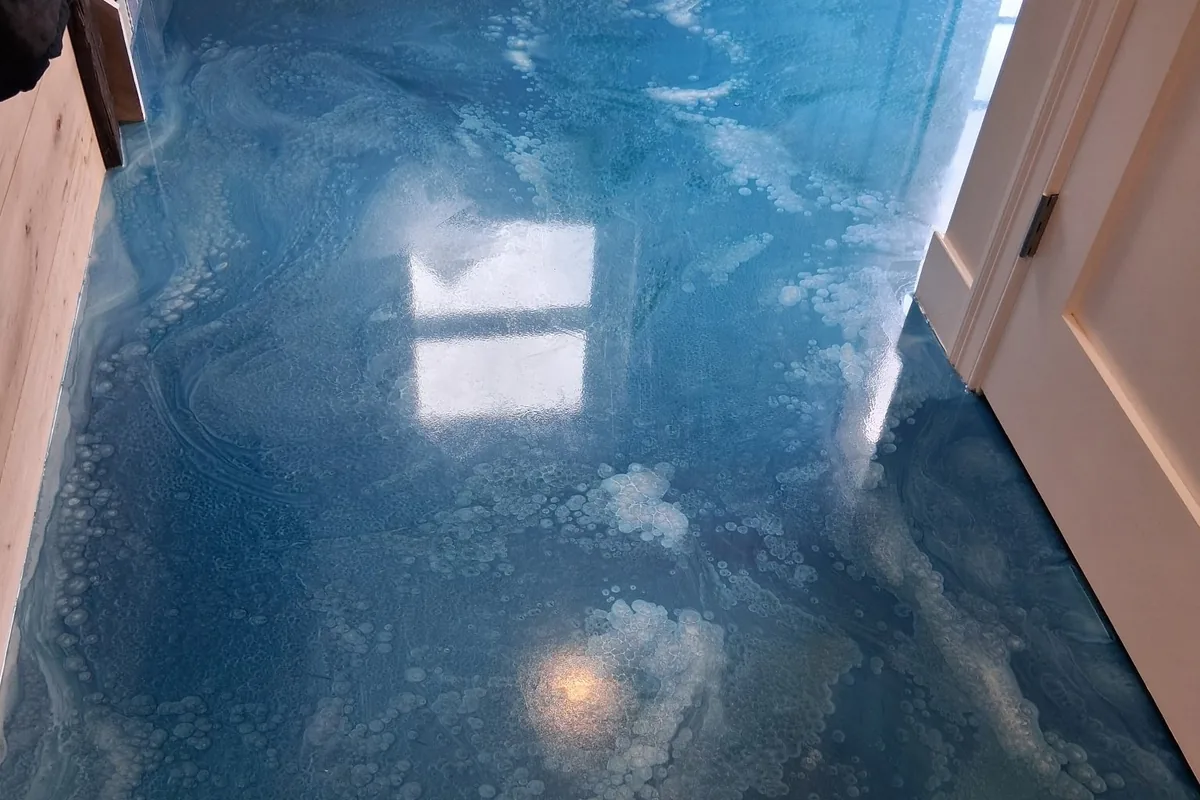
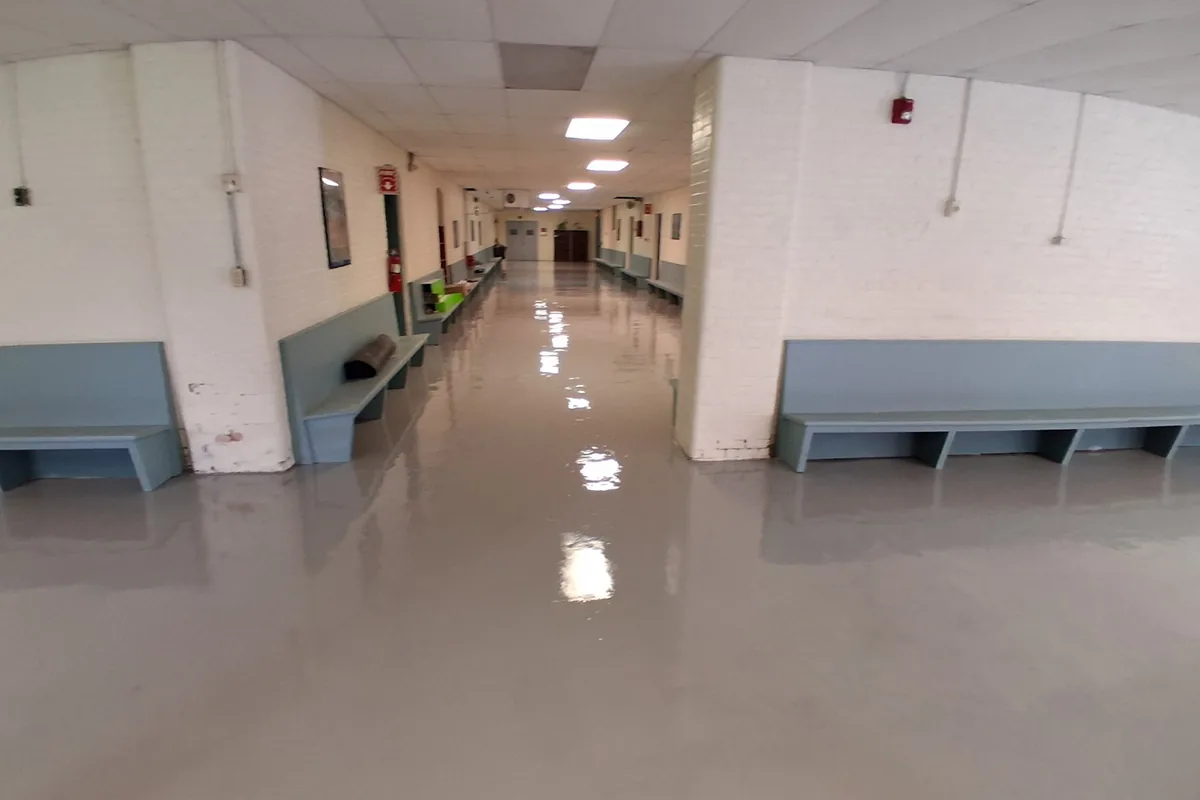

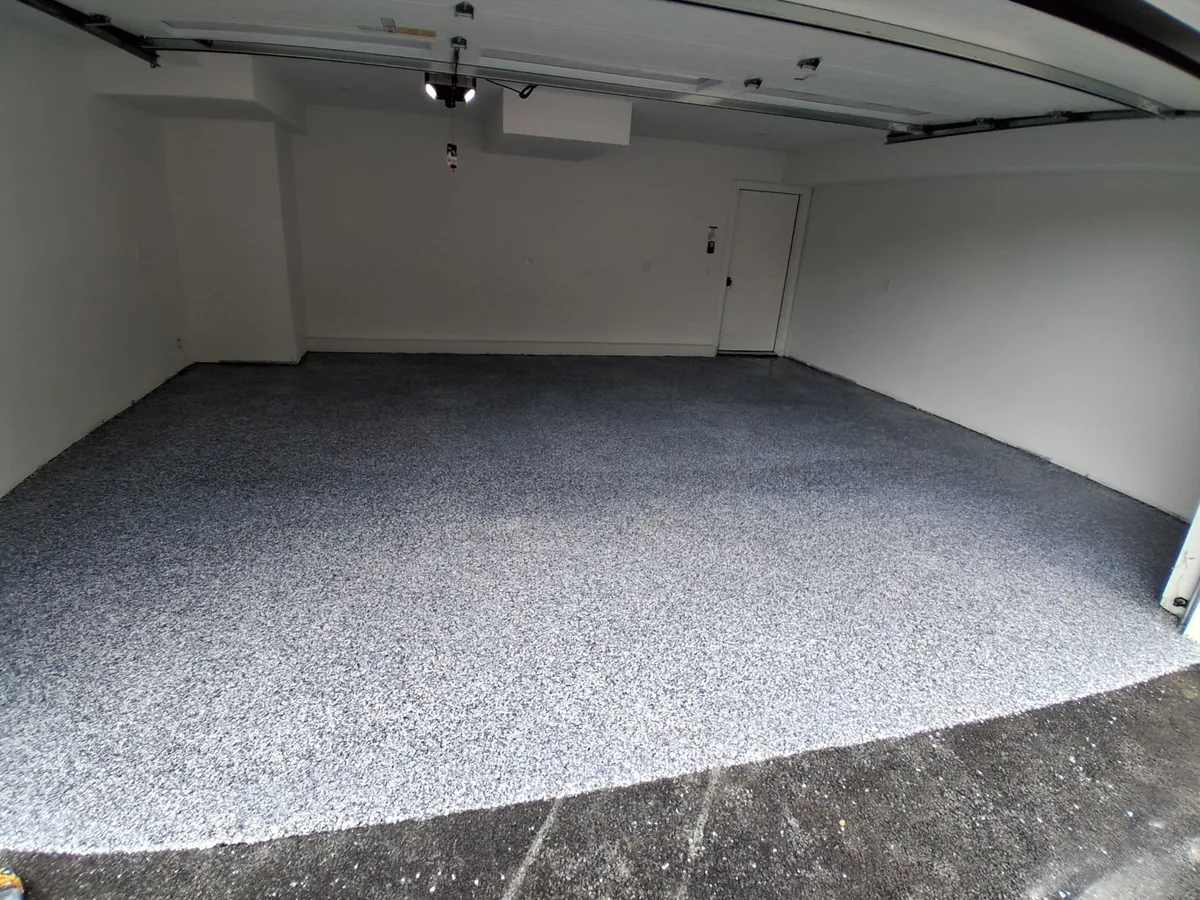
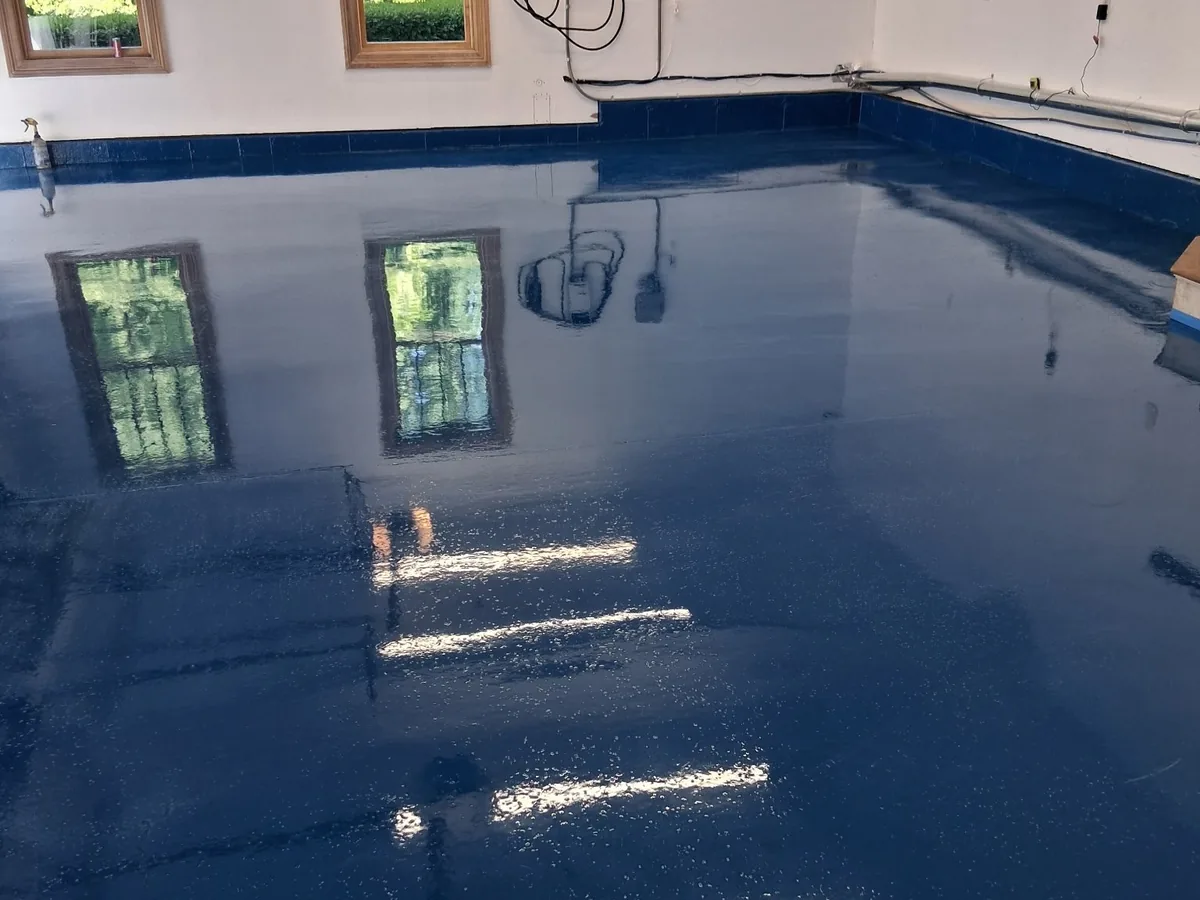
Three steps, and Brad does every one of them himself. Most residential floors are finished in a day.
Tell us the room and roughly how big it is. We'll talk you through the range and book a time to come and look, often the same day. Weekends count, and there's nothing to sign.
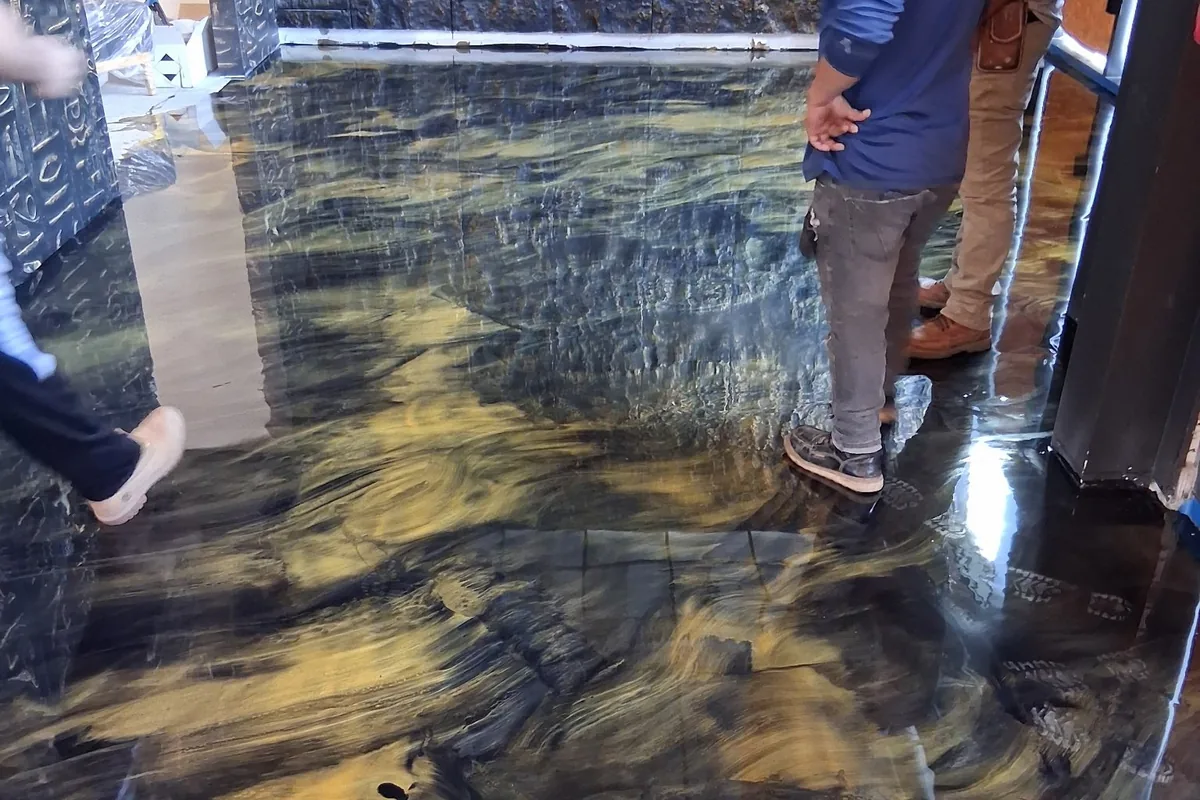
He checks for cracks, old coating and moisture, then measures up. You choose your flake blend or metallic against your own floor, not a brochure. Your written quote comes back the same day.
Your slab goes back to bare concrete under a diamond grinder with dust extraction. Then the primer, the body coat with your flake or metallic, and the top coat. You get your walk-on and park-on times with the quote.
Vinyl chip broadcast into the body coat, then locked under a clear top coat. A busier blend hides more, which is why it is what most garages get.
Get my free quoteNot once we have sealed it. They are locked under the clear coat, which is the layer taking your traffic.
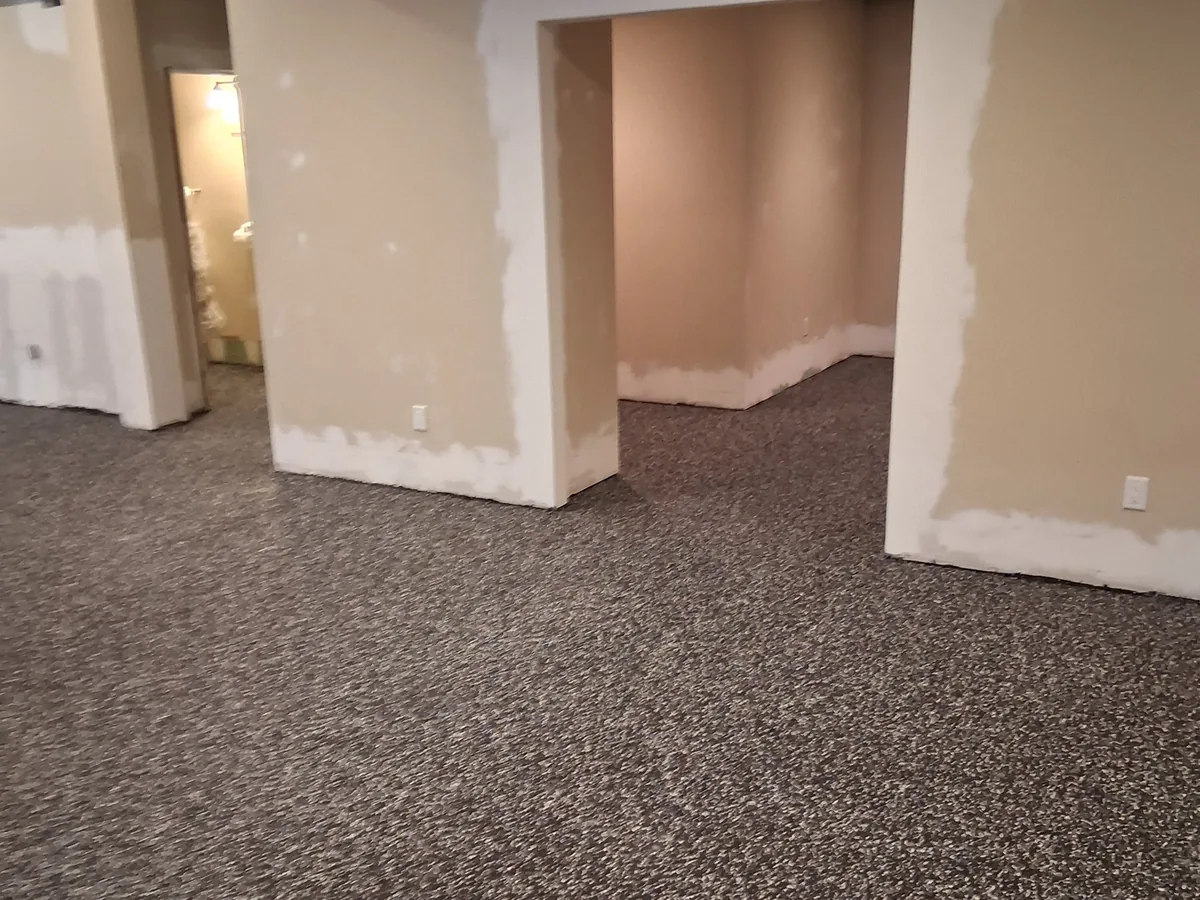
Yes, and it is a common choice there. We answer the moisture question in your basement first, whatever system goes down.
It has texture. If yours is a pool deck or anywhere you go barefoot, say so and we adjust the top coat.
We broadcast vinyl chips into a wet pigmented base coat until your floor will take no more, then seal it under clear top coats.
Not once sealed. They are locked under the clear coat, which is the layer that takes the traffic.
It has texture built in from the chip edges. If your floor gets a lot of water, we put more grit into the top coat.
Yes, and it is a common choice there because it hides a slab that has had decades of your storage on it. The moisture question comes first.
Busier blends hide more. Ask us to show you a sample board or a finished floor rather than a bag. A whole floor reads differently from a handful of chips.
No. A kit is a thin coating rolled onto an acid-etched slab with chips scattered into it. We grind your slab, broadcast to full coverage, and put a separate wearing top coat on.
Chips thrown into the wet base until your floor will take no more. Partial broadcast leaves base color showing between the chips, and it is what most cheap flake floors are.
Eventually the clear top coat dulls in your traffic path. We abrade and recoat it without touching the color or chips underneath.
Tell us roughly what you have and we'll come and look at it. The quote is free, there's nothing to sign, and you'll know what your floor costs before you commit to anything.
Get Your Free Quote Call or Text (203) 496-6386