
Day to day
Sweep or blow the grit out and mop with warm water. Grit is what abrades your top coat and it walks in on shoes.
Your house probably has two or three concrete floors nobody ever finished. We seal them so they stop dusting, wipe clean instead of staining, and look like part of the house again. Garages, basements, patios and countertops, all covered by a lifetime product warranty.
Free, no obligation, and nothing to sign. We answer the same day, weekends included.
The ones with bare concrete in them, which is usually more of your house than you would think.
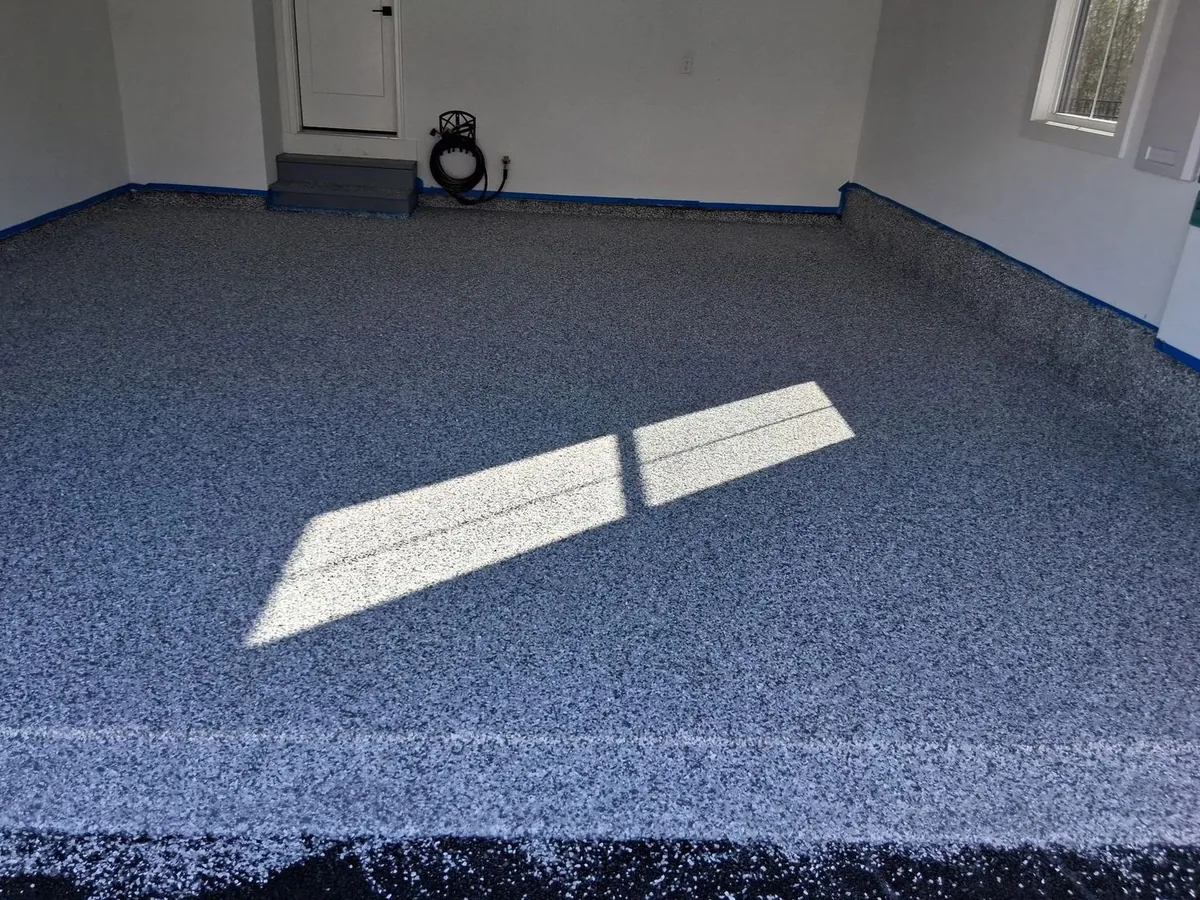
Your garage is the most common job we do by a distance. We usually put flake down, because it hides a patched slab and grips when you bring a wet car in.
Sealing your slab stops the concrete dust and makes the room usable. We answer the moisture question first, with a free test rather than a guess.
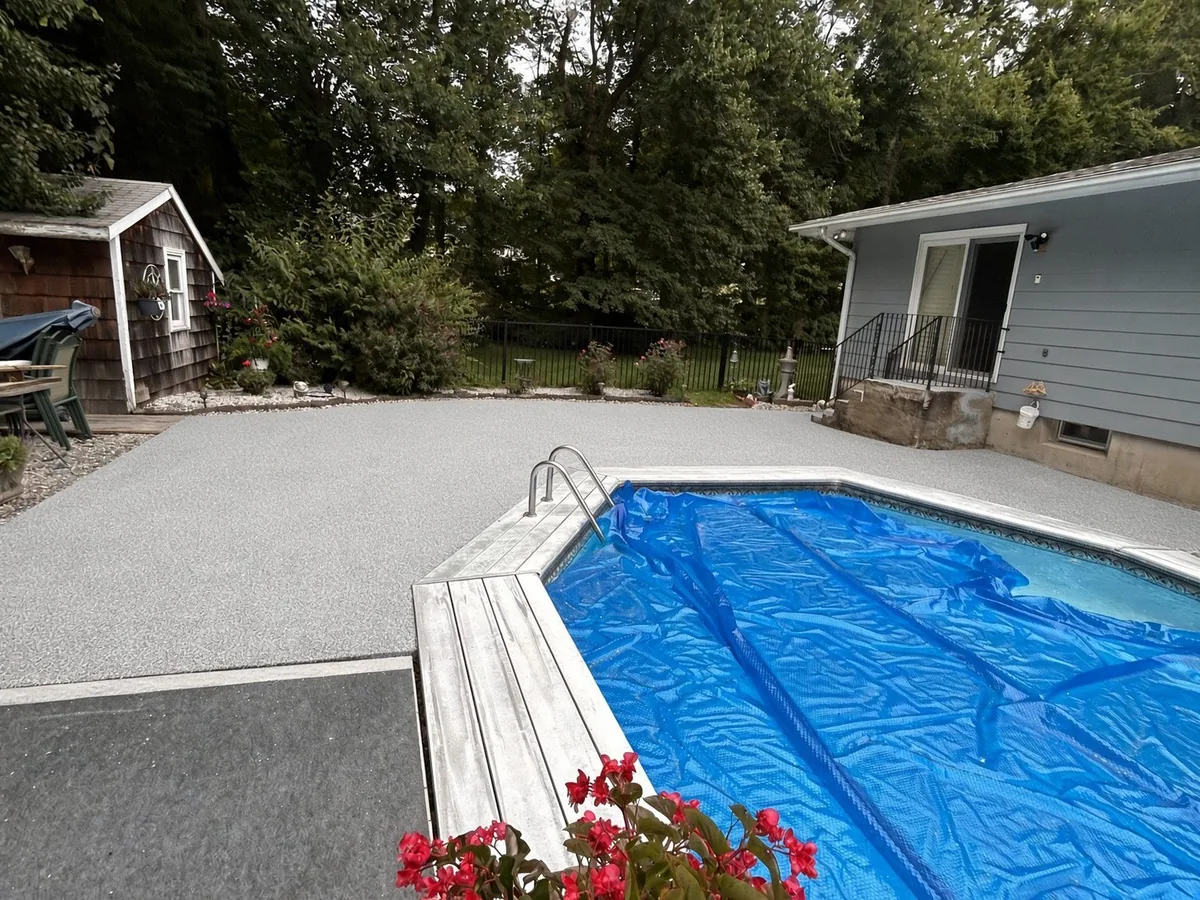
Outdoors, so we make your top coat UV stable and give the surface grip for wet bare feet.
It depends what your floor is doing now. Bare concrete sheds dust, stains permanently, and cannot really be cleaned.
You get a sealed surface that mops, does not drink oil, and does not chalk dust over everything stored on it. In a basement that is often the difference between storage and a room.
It is not a repair for a structurally bad slab. If your concrete is moving or badly failed, coating it puts a finish over a problem, and Brad will tell you so rather than take the job.
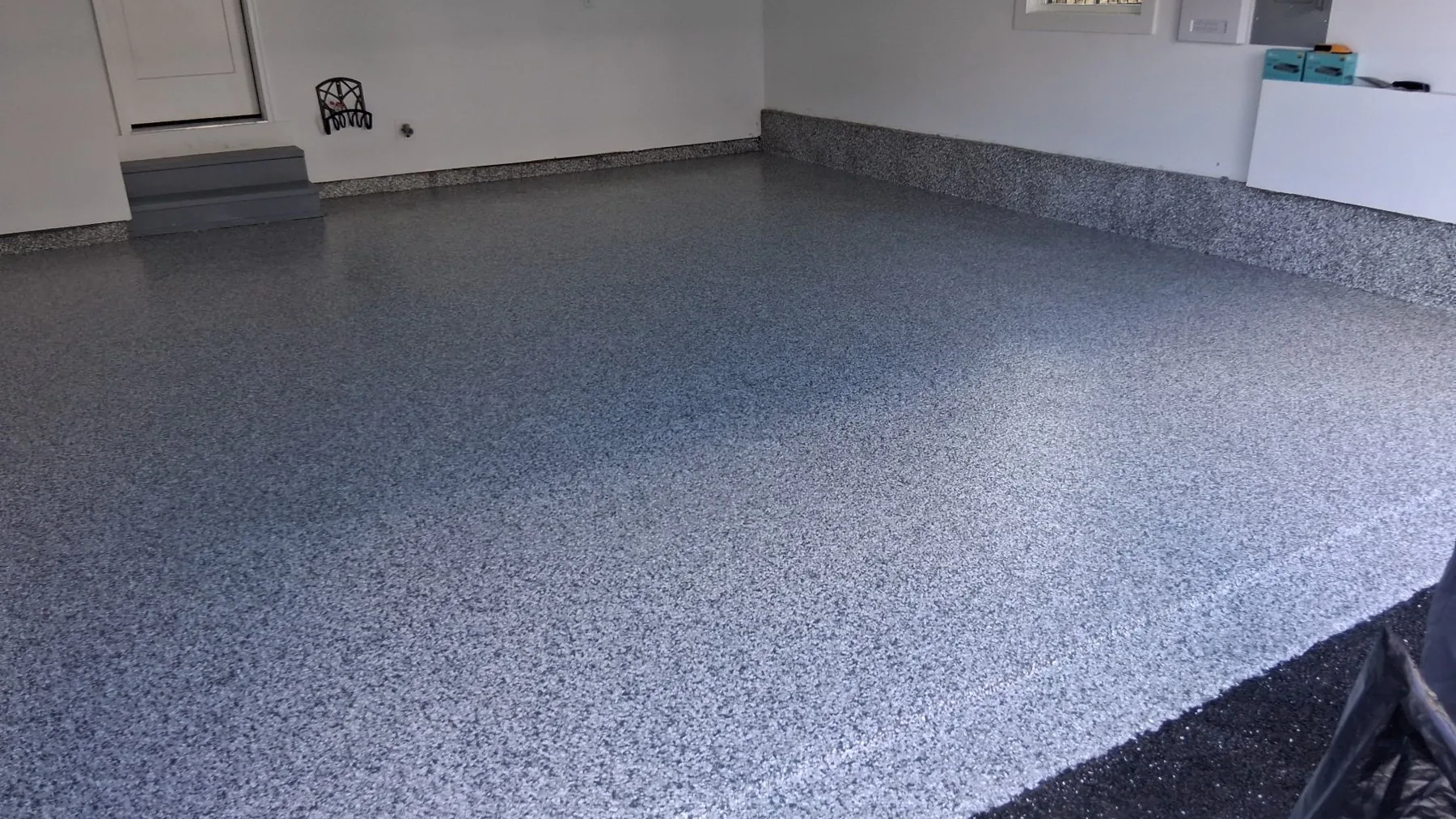
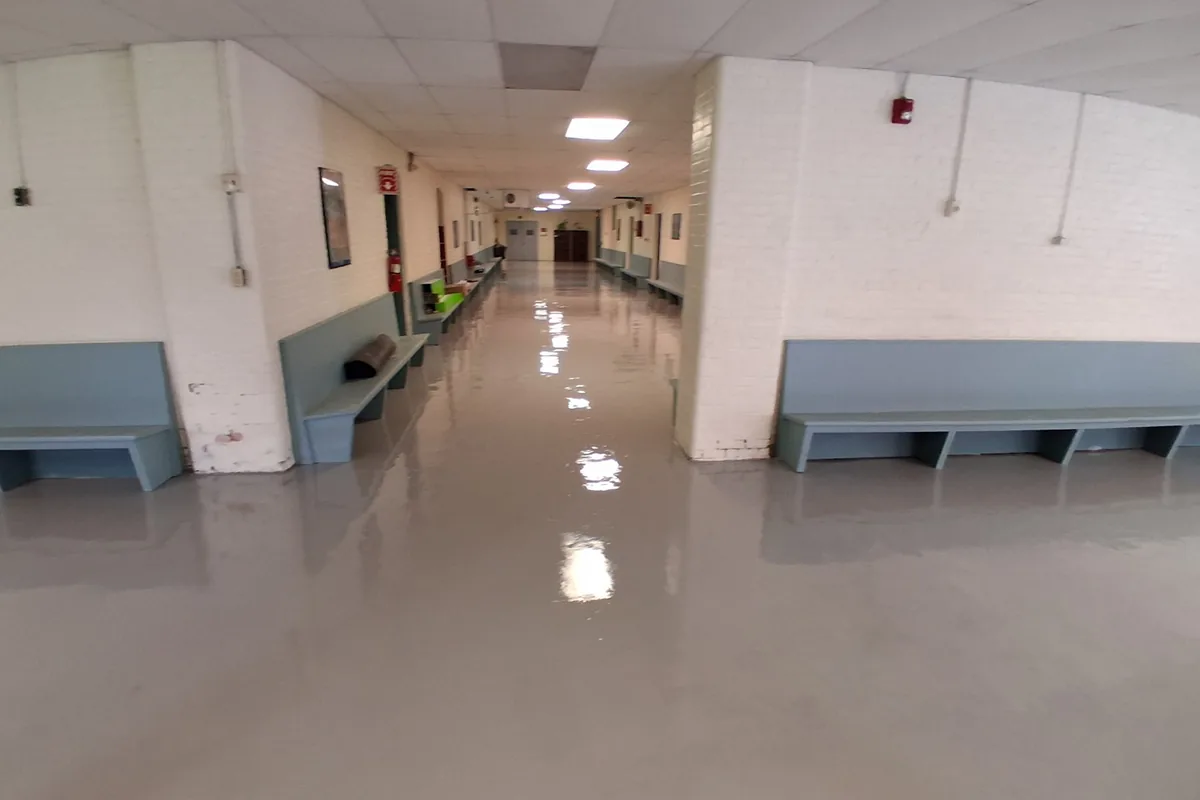
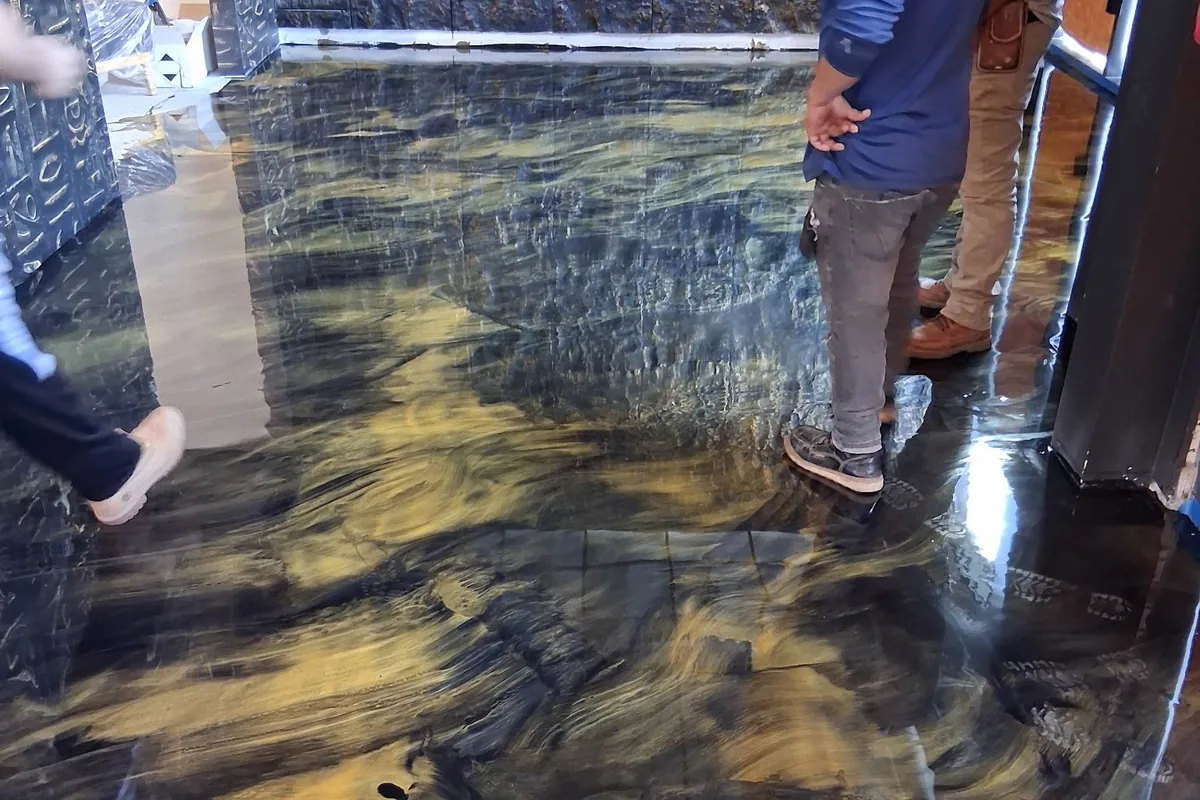
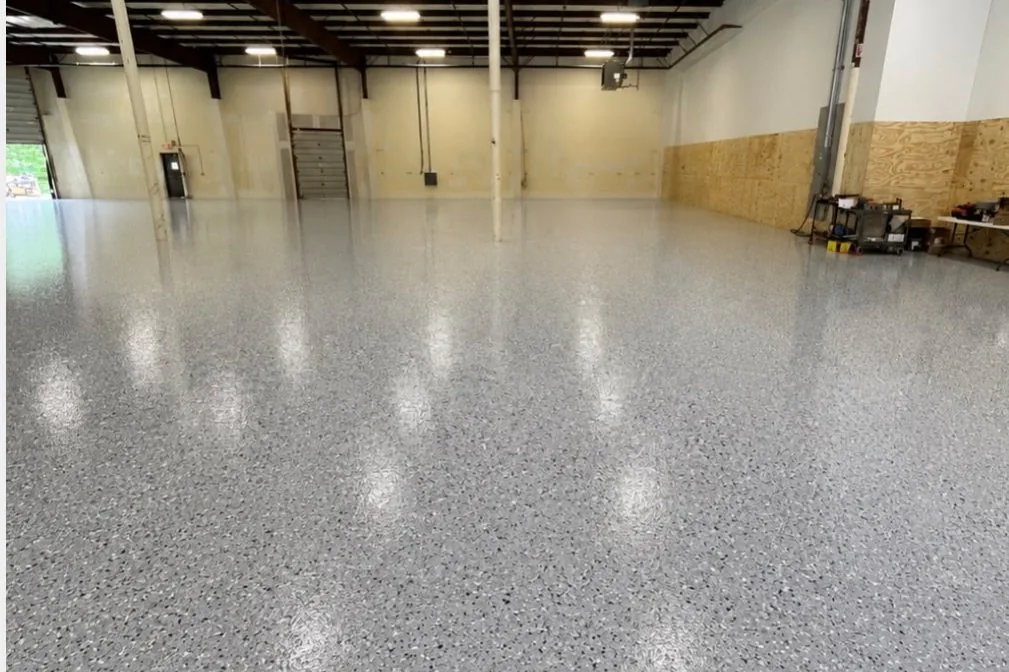
Every floor on this page is one we poured
Housing here runs from 1920s shoreline colonials to post-war subdivisions to new builds, and what we coat tracks the age of your house more than its size.
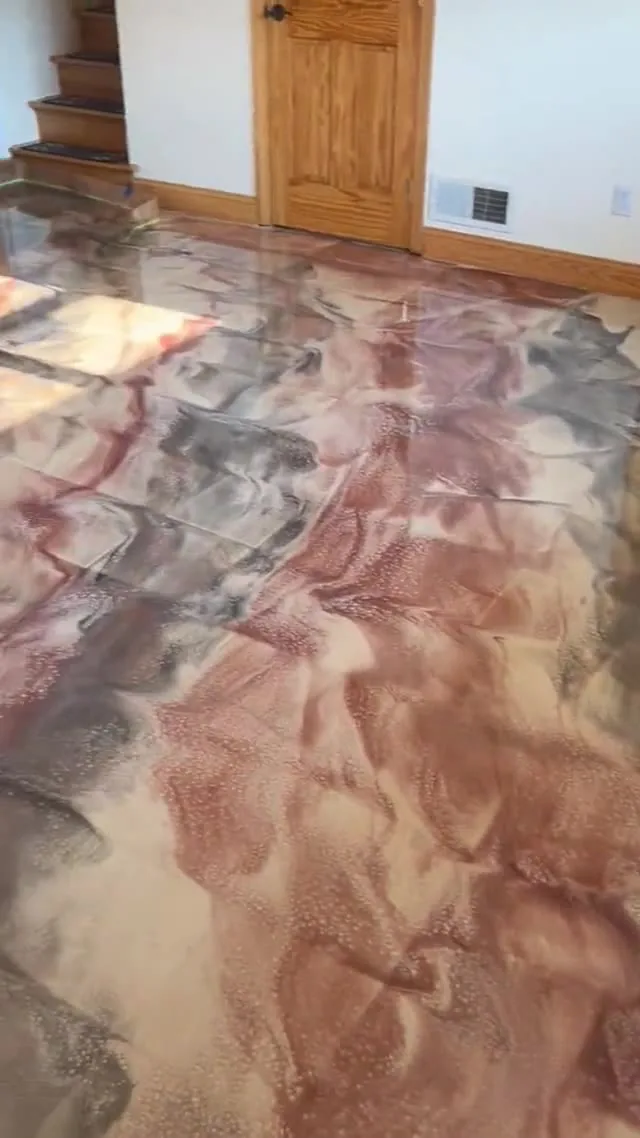
Around four in five owner-occupied homes across the towns we cover are detached houses, and almost all of those have a garage with a bare slab in it. It is our most common single job.
Older Connecticut houses have full basements nobody meant to be rooms. Sealing your slab is usually the first move in making one usable, and it is cheaper before anything gets built on top.
Seasonal work, and you book it in spring. Outdoors changes what we specify because of sun and bare feet rather than because of traffic.
Kitchens, bars and workshop benches. Small enough that our minimum usually applies rather than the square foot rate.
We would rather be clear about both, because the disappointments in this trade come from expecting the wrong thing.
Bare concrete sheds fine grit constantly. That is why boxes in an uncoated basement always feel gritty and why your garage never quite seems clean.
A sealed surface mops. Your bare concrete drinks oil, paint and whatever else lands on it, and keeps it.
Visually this is the biggest change you will see. A finished floor stops the space reading as a foundation.
A coating is a thin surface. Your cold basement stays a cold basement, and if warmth matters to you that is a subfloor question, not a coating one.
Structural movement, active settlement or a slab breaking up are jobs for a different trade before us. Coating over them hides your problem for a season.
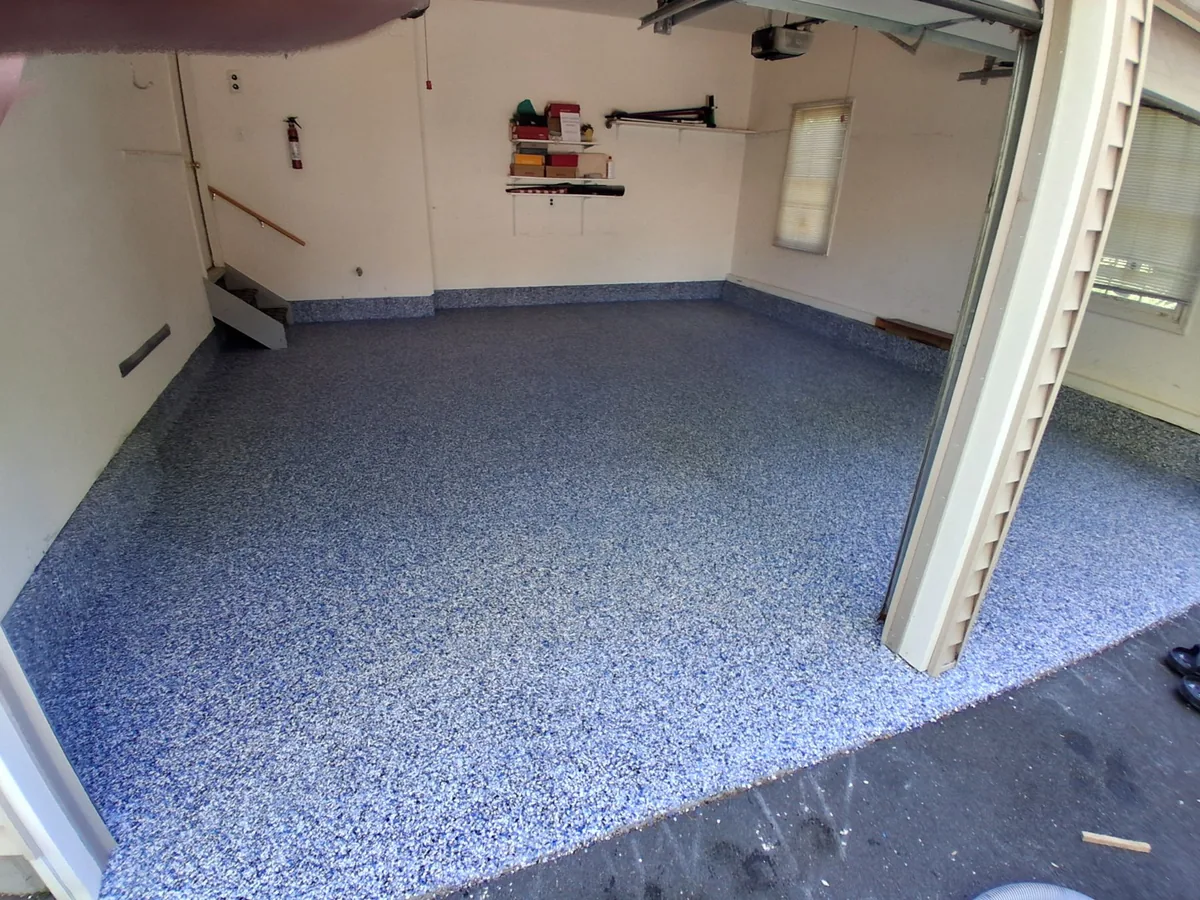
Low maintenance rather than no maintenance, and none of it needs a product bought from us.
Sweep or blow the grit out and mop with warm water. Grit is what abrades your top coat and it walks in on shoes.

Dropped tools chip, hot tires mark a poorly cured floor, and welding spatter burns. We can repair all of it in place, which is a real advantage over tile.

Your clear top coat is the sacrificial layer. When it eventually dulls we prepare and recoat it without touching the color underneath, at a fraction of the cost of a new floor.
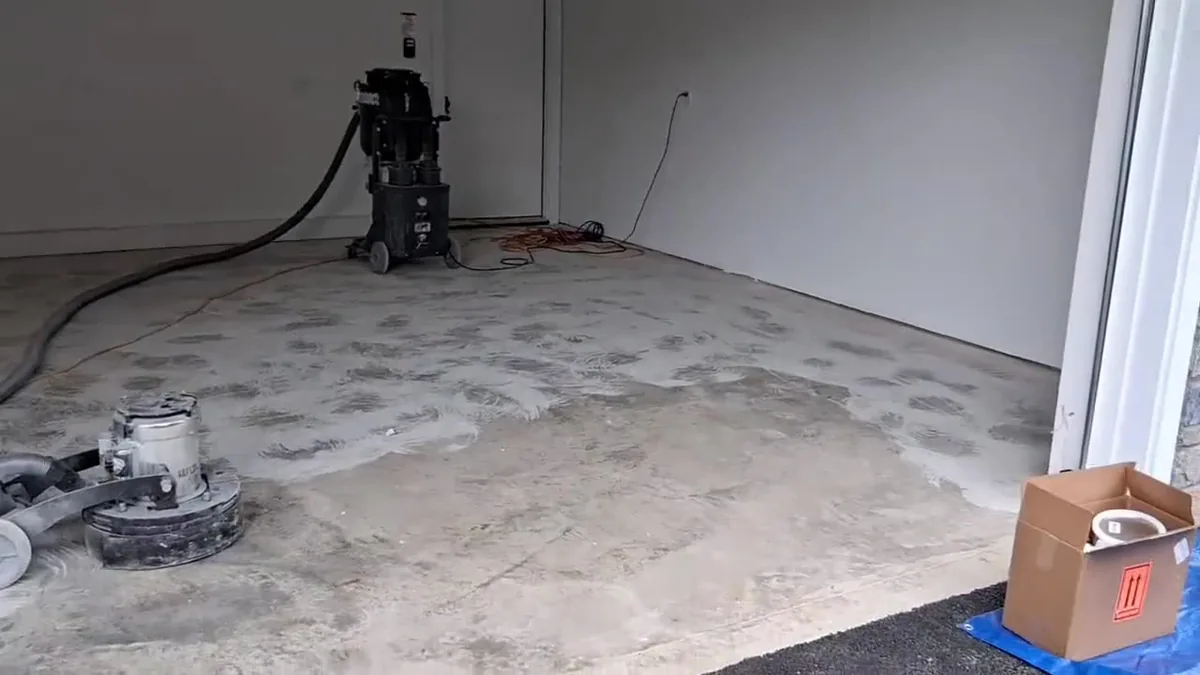
A finished garage or basement floor photographs well and reads as a maintained house. It is one of the cheaper visible improvements you can make to a property.
4.7 from 15 Google reviews. We publish every one of them on the reviews page, including the one star and what came of it.
Great experince did the shop floors and came out great!
excellent job on my Garage thanks again
best in the area when it comes to epoxy thanks gain Brad
The practical questions you are going to ask us.
A two-car garage holds a remarkable amount. Emptying it is your job, and it is usually what delays a start date, so plan it before you book rather than after.
Our grinding equipment needs a route in and a supply. Most domestic jobs run off your normal supply; larger machines sometimes do not, so we confirm it.
Off your floor during the work and through cure. Once cured it is an inert sealed surface, and the cure window is the part you plan around.
The systems we use are far lower odour than older ones, and there is still a smell while we apply them. Ventilation and timing handle it, particularly in your basement.
Frequently better value for you, and rarely considered.
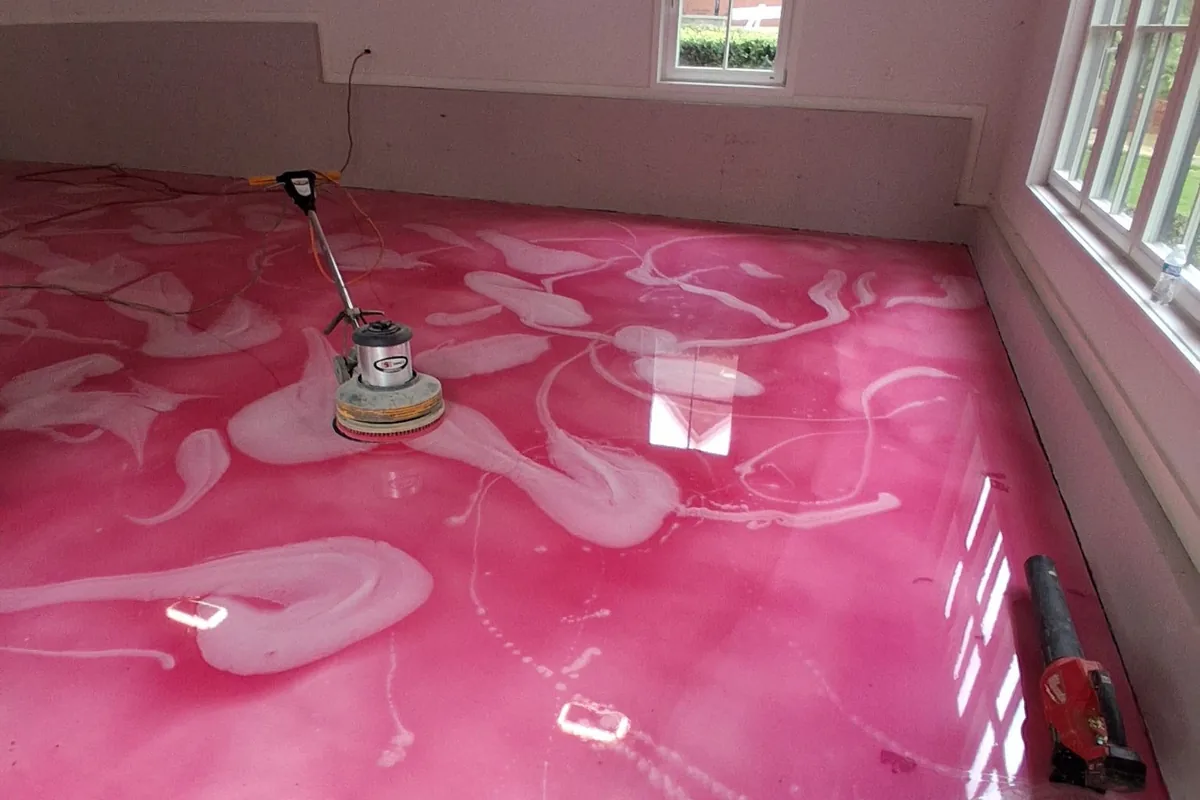
Our setup, our equipment and our travel happen once. Your garage and your basement together cost less than the same two floors months apart.
Two of your floors that each sit in the first rate band can together approach the second. Worth measuring before you assume.
Your garage and your basement do not have to match, and often should not. The garage takes a busier blend and the basement can take something quieter.
If you are finishing a basement, the floor comes first. If you are emptying a garage anyway for another reason, that is your moment.
What decides the number, and how to get a real one.
The slab does, more than the square footage, which is why the estimate follows a look at it rather than a form.
Your garage or your basement is normally under 3,000 square feet.
Because your small floor carries the same setup for us as a large one.
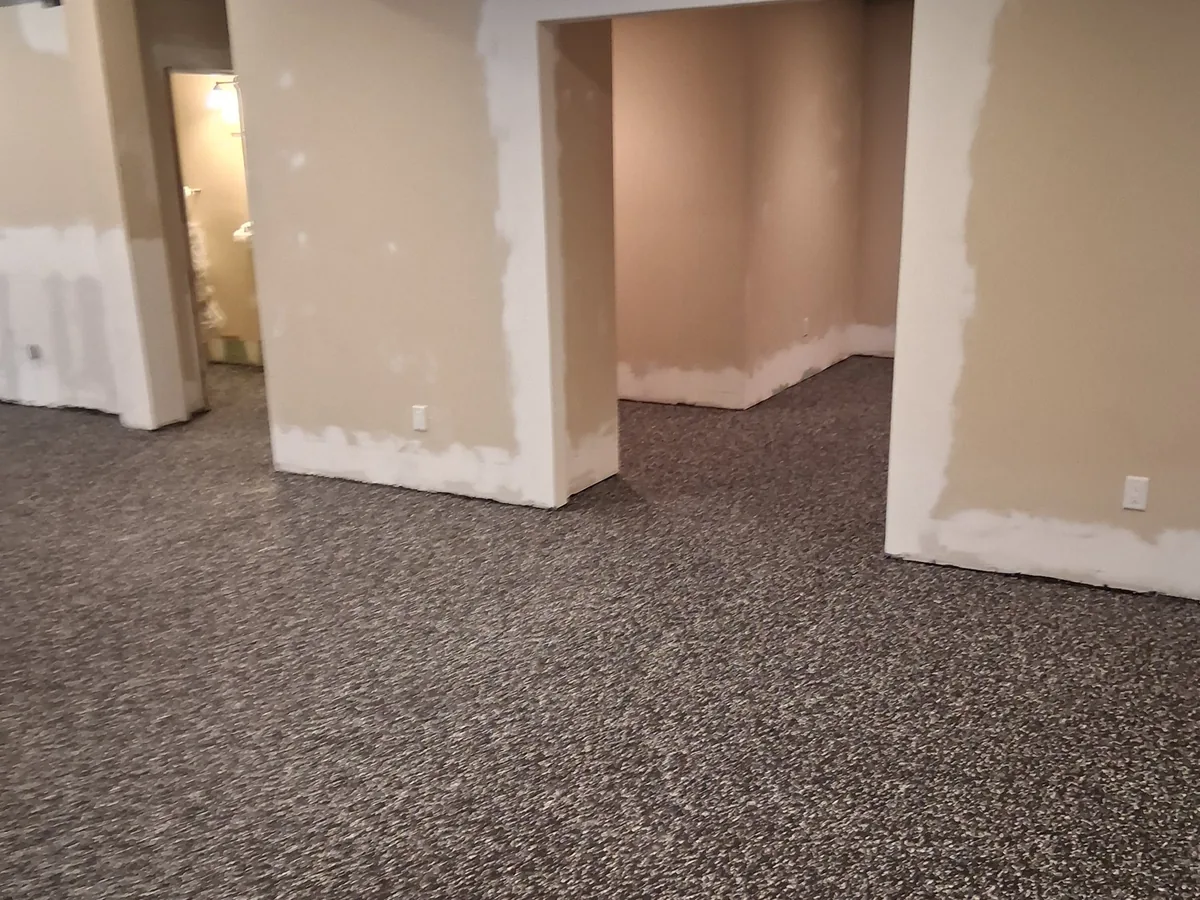
We install six systems, and most floors we put down combine two of them.
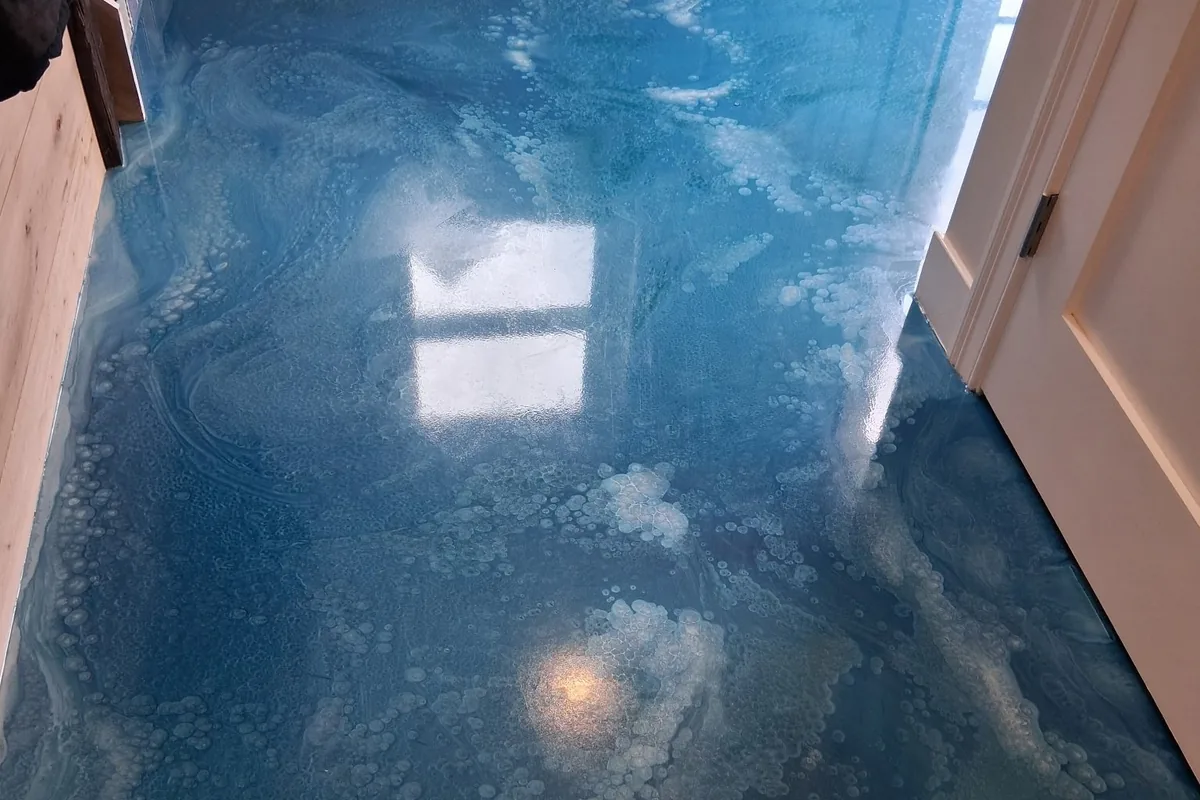

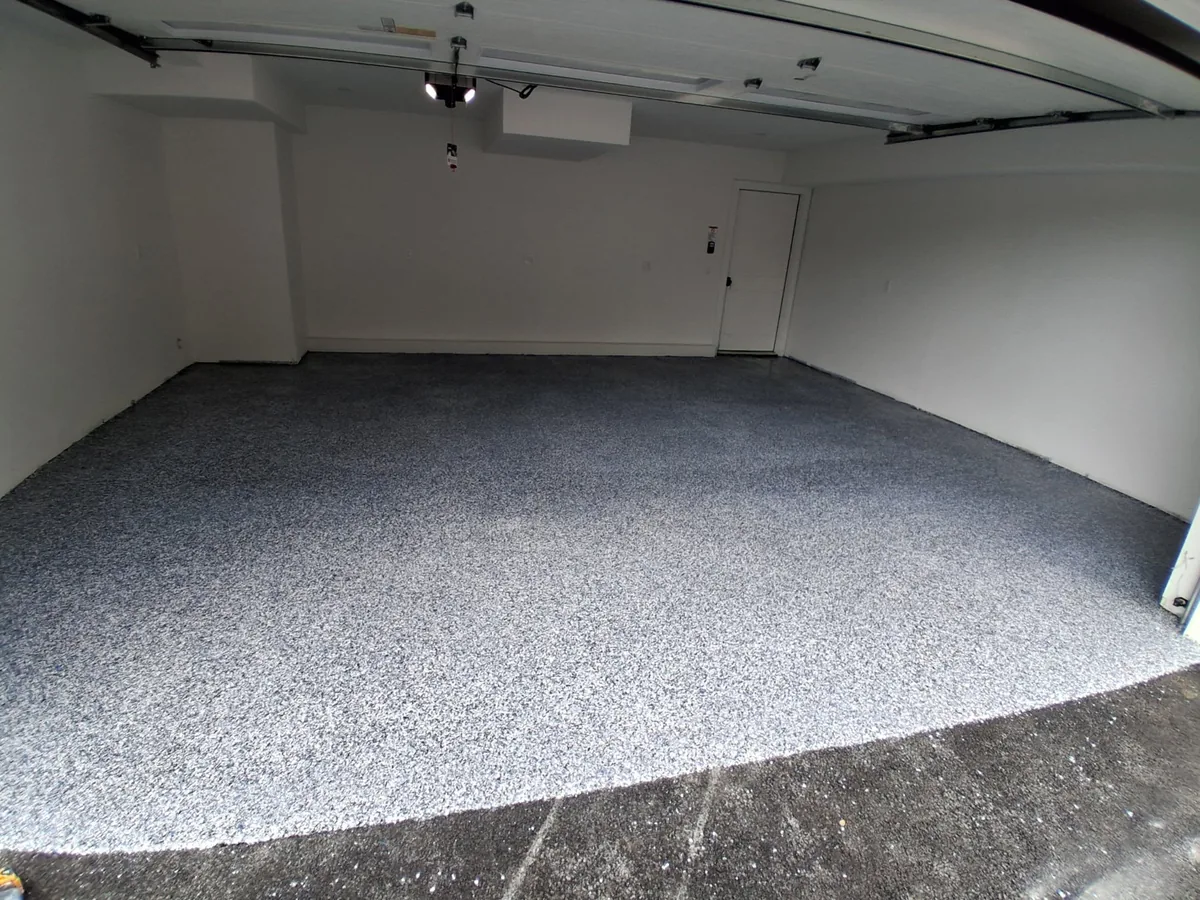
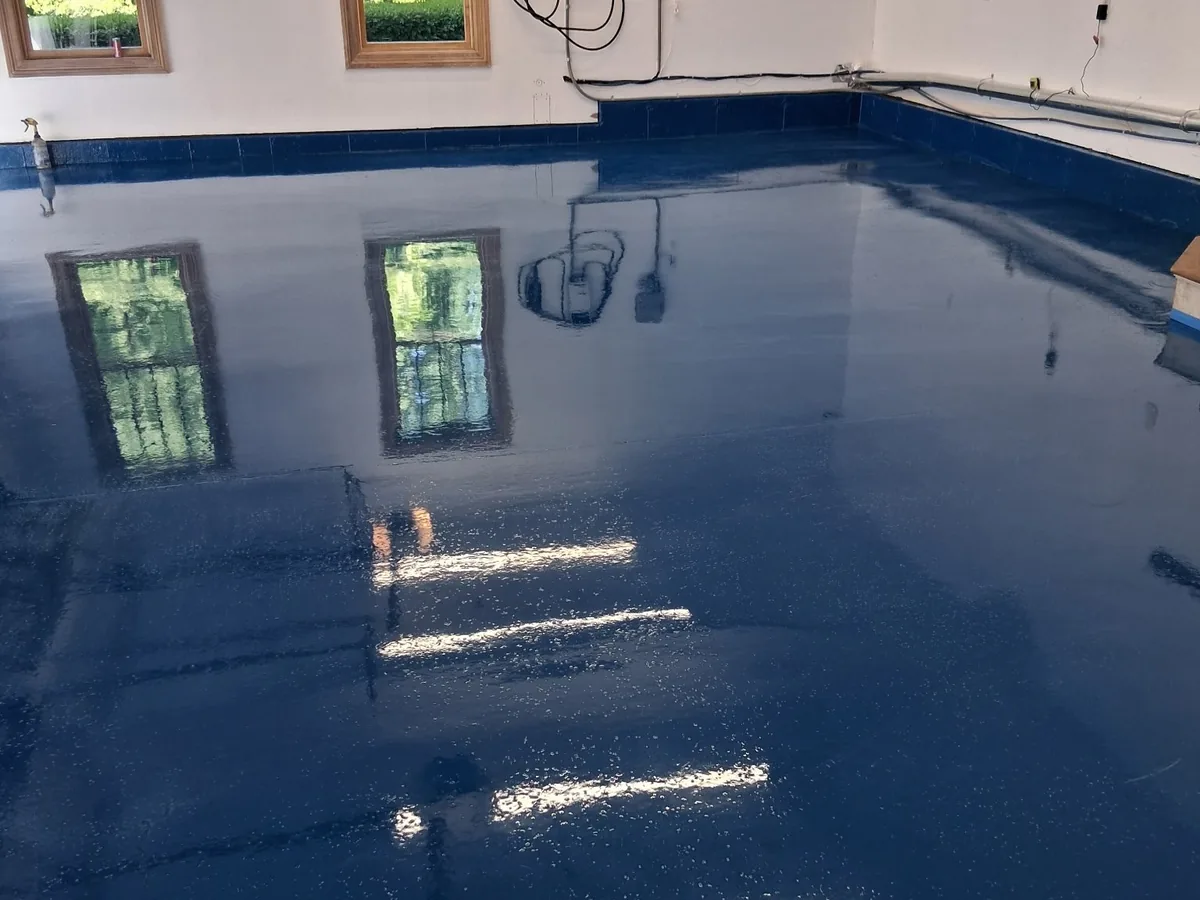
We put down four layers, and each one has its own job. Scroll and we'll take your floor apart so you can see them.
They look alike on day one. Drag the timeline and watch what changes.
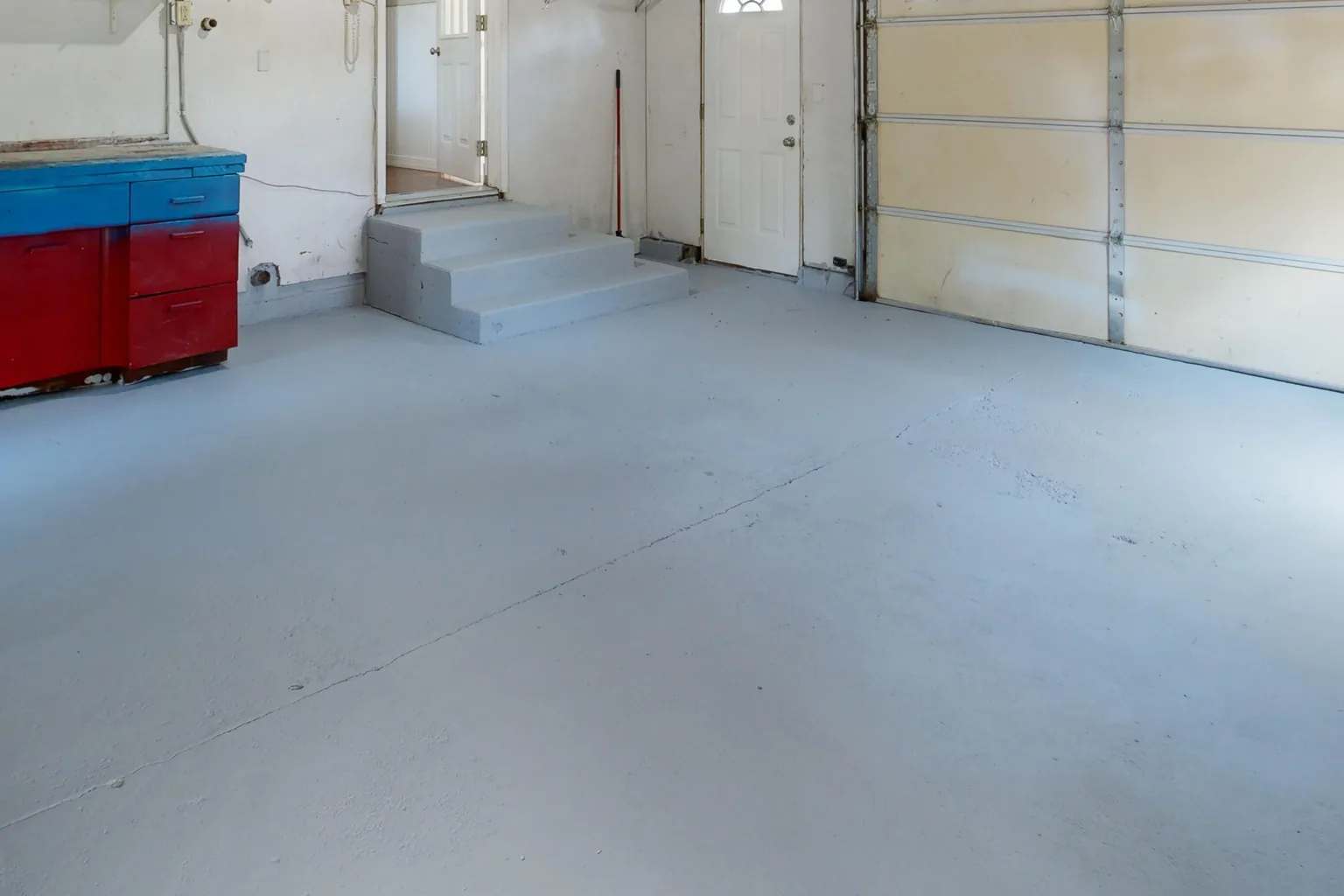
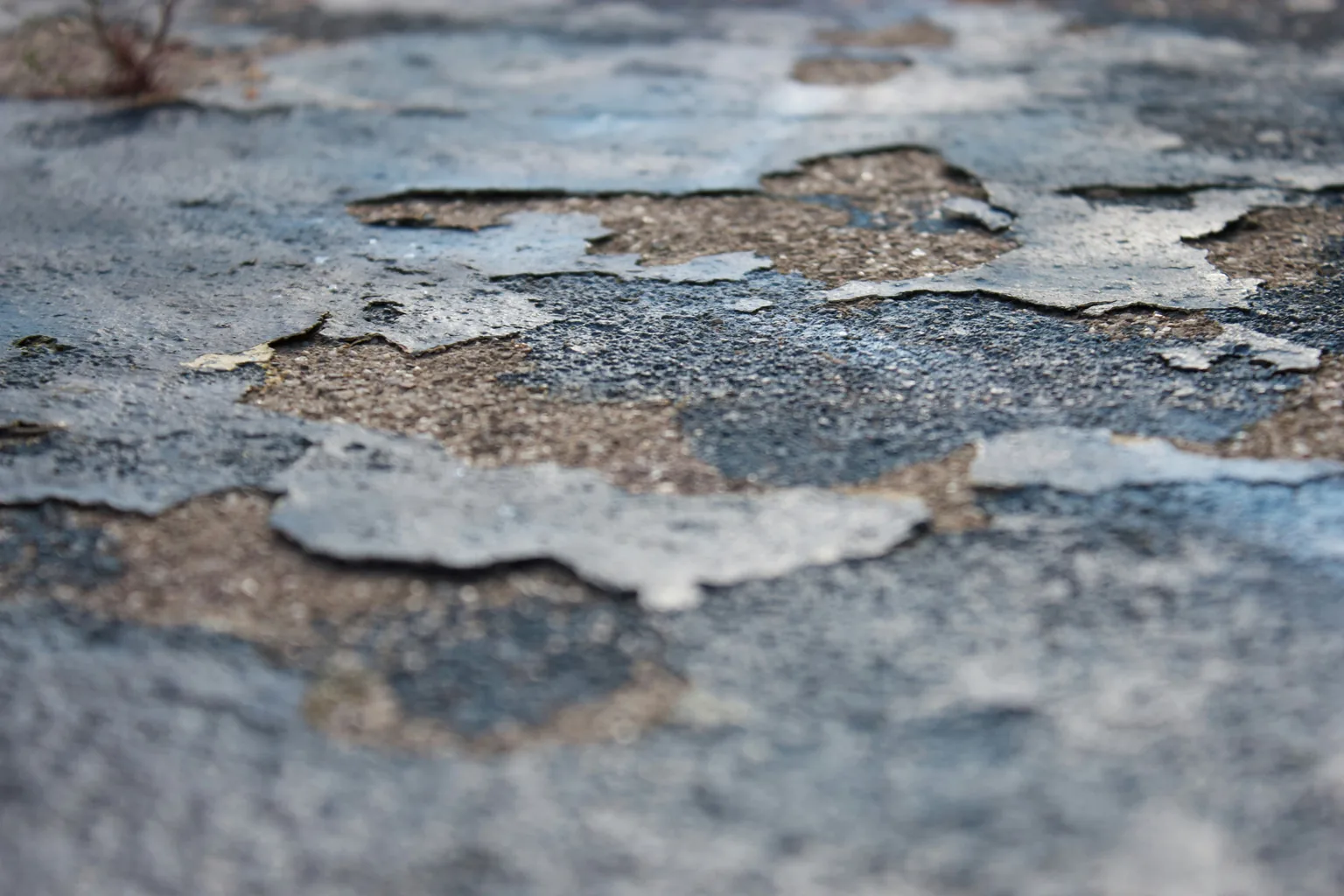
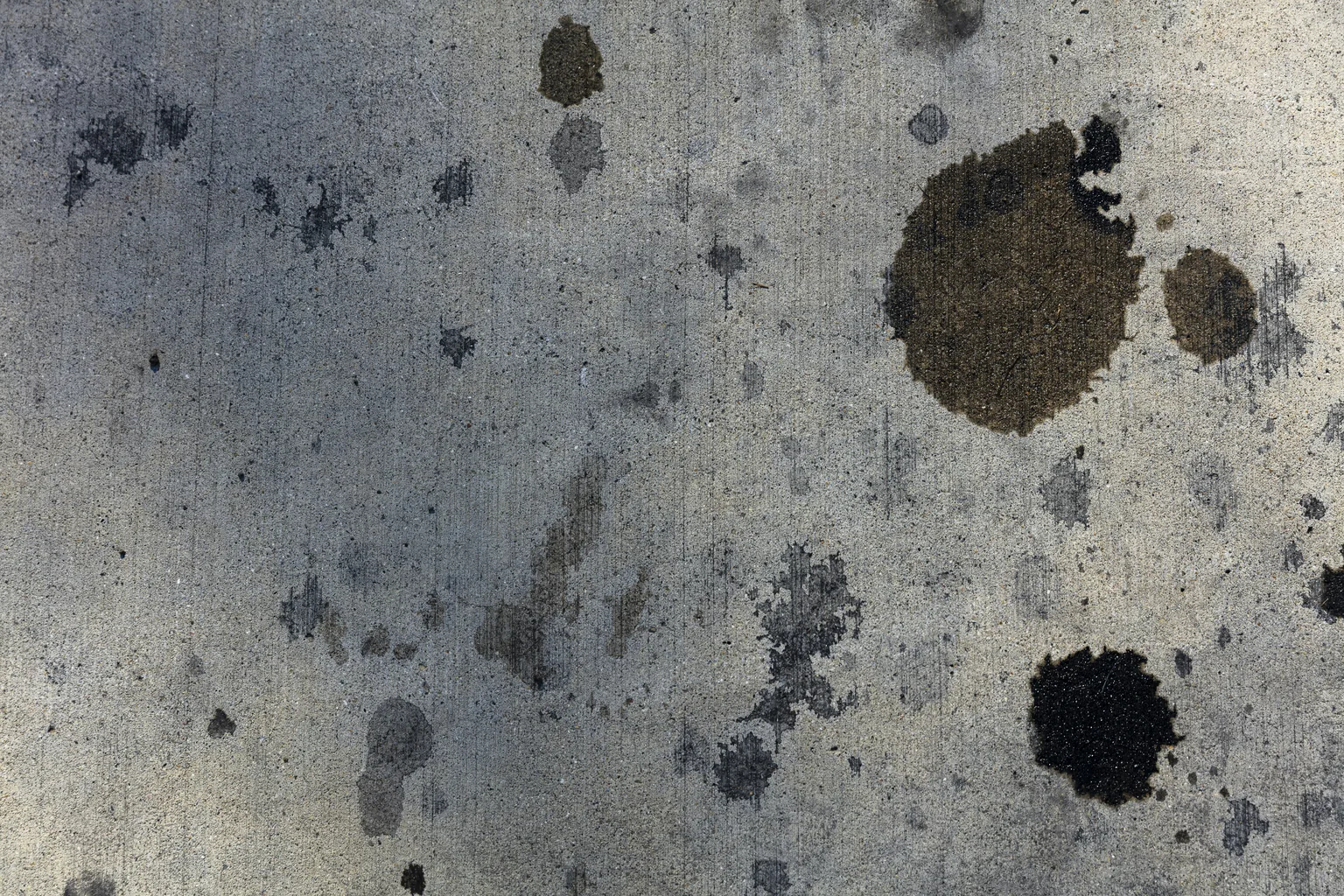
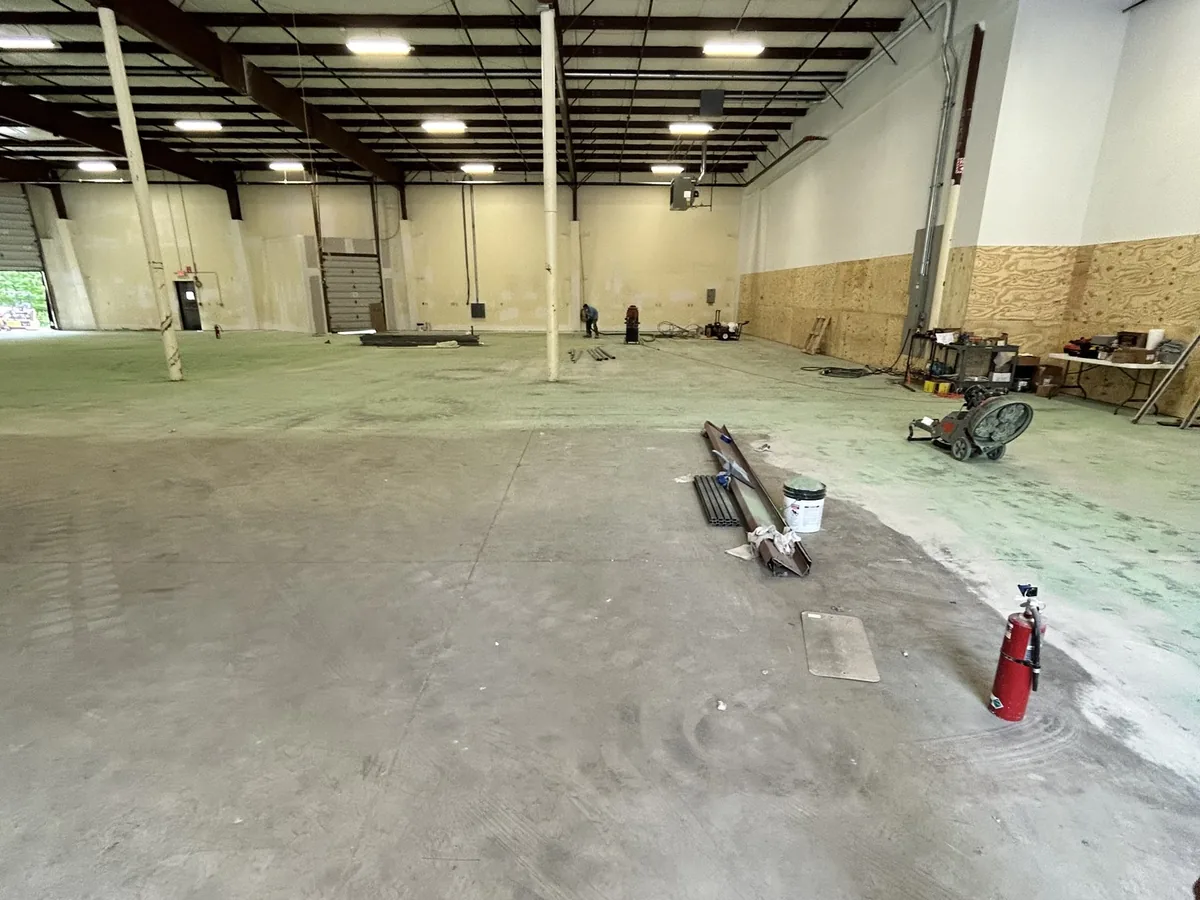
Slide to your size and see what fits it. Brad gives you the exact number when he's seen the slab.
Three steps, and Brad does every one of them himself. Most residential floors are finished in a day.
Tell us the room and roughly how big it is. We'll talk you through the range and book a time to come and look, often the same day. Weekends count, and there's nothing to sign.
He checks for cracks, old coating and moisture, then measures up. You choose your flake blend or metallic against your own floor, not a brochure. Your written quote comes back the same day.
Your slab goes back to bare concrete under a diamond grinder with dust extraction. Then the primer, the body coat with your flake or metallic, and the top coat. You get your walk-on and park-on times with the quote.
One mobilisation, one crew, and the square foot rate starts working in your favour as the total area grows.
Get my free quoteYes. Most of our residential jobs are a single room.
A filled crack that is not moving stays filled. A crack that is still moving will eventually show, and we would rather tell you now than have you find out later.
Our grinder runs with dust extraction, so far less than you are expecting. It is still a work site for the day.
It depends what your floor does now. Bare concrete sheds dust, stains permanently and cannot really be cleaned. We fix all three.
Yes. Most residential jobs are a single garage or a single basement.
Once cured it is an inert, sealed surface with nothing to off-gas. Cure time is when to stay off it, and Brad tells you how long.
It is a visible, finished improvement to a space that usually reads as unfinished. What that is worth to you is a question for an agent rather than for us.
Far less than you expect, because our grinder runs with vacuum extraction. It is still a work site for the day.
No. Walk-on comes first and drive-on later. Putting weight back early is the most common way people damage a new floor.
Often better value for you. One mobilisation rather than two, and your combined square footage may fall into a lower rate band.
The systems we use are much lower odour than older ones, and there is still a smell while we apply them. Ventilation and timing handle it.
Tell us roughly what you have and we'll come and look at it. The quote is free, there's nothing to sign, and you'll know what your floor costs before you commit to anything.
Get Your Free Quote Call or Text (203) 496-6386