
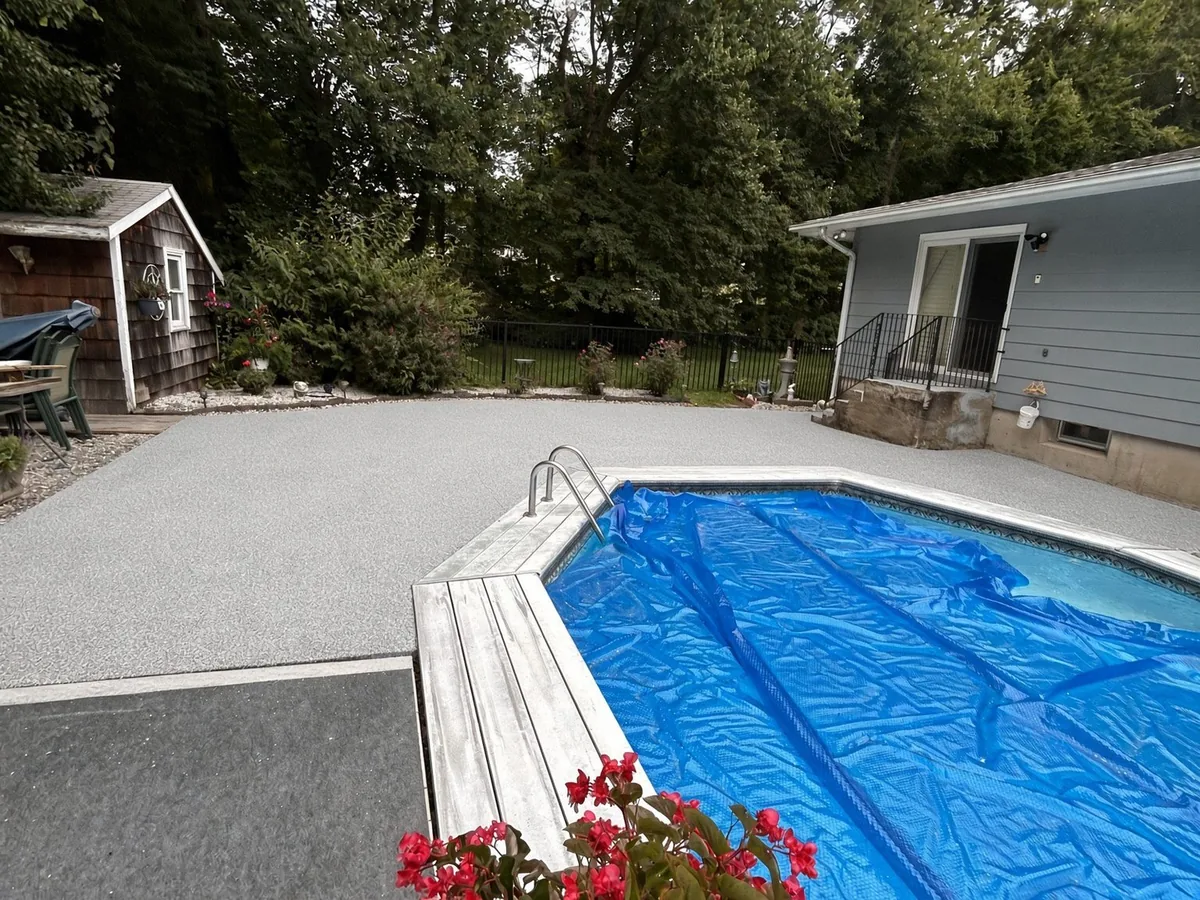
Markings that wear at the same rate as the floor
We lay your lines into the system rather than taping them on afterwards, so they do not peel, lift at the edges or need redoing every year.
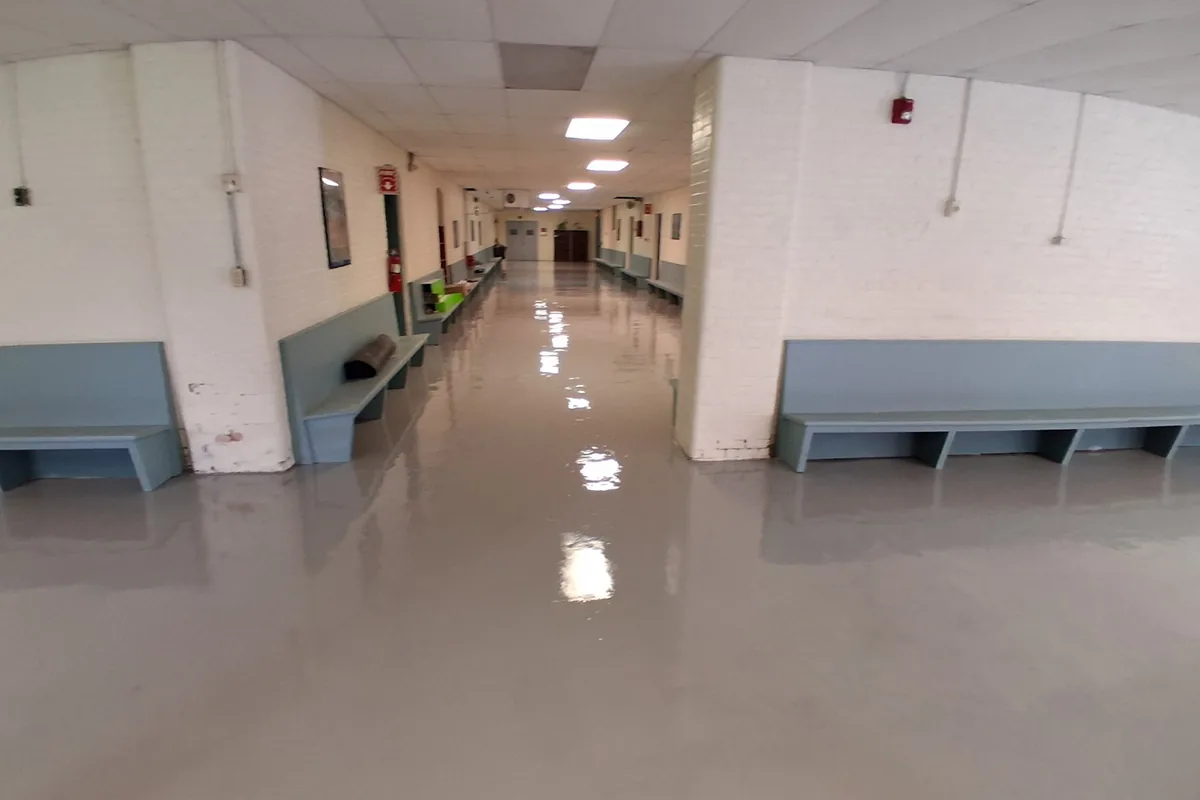
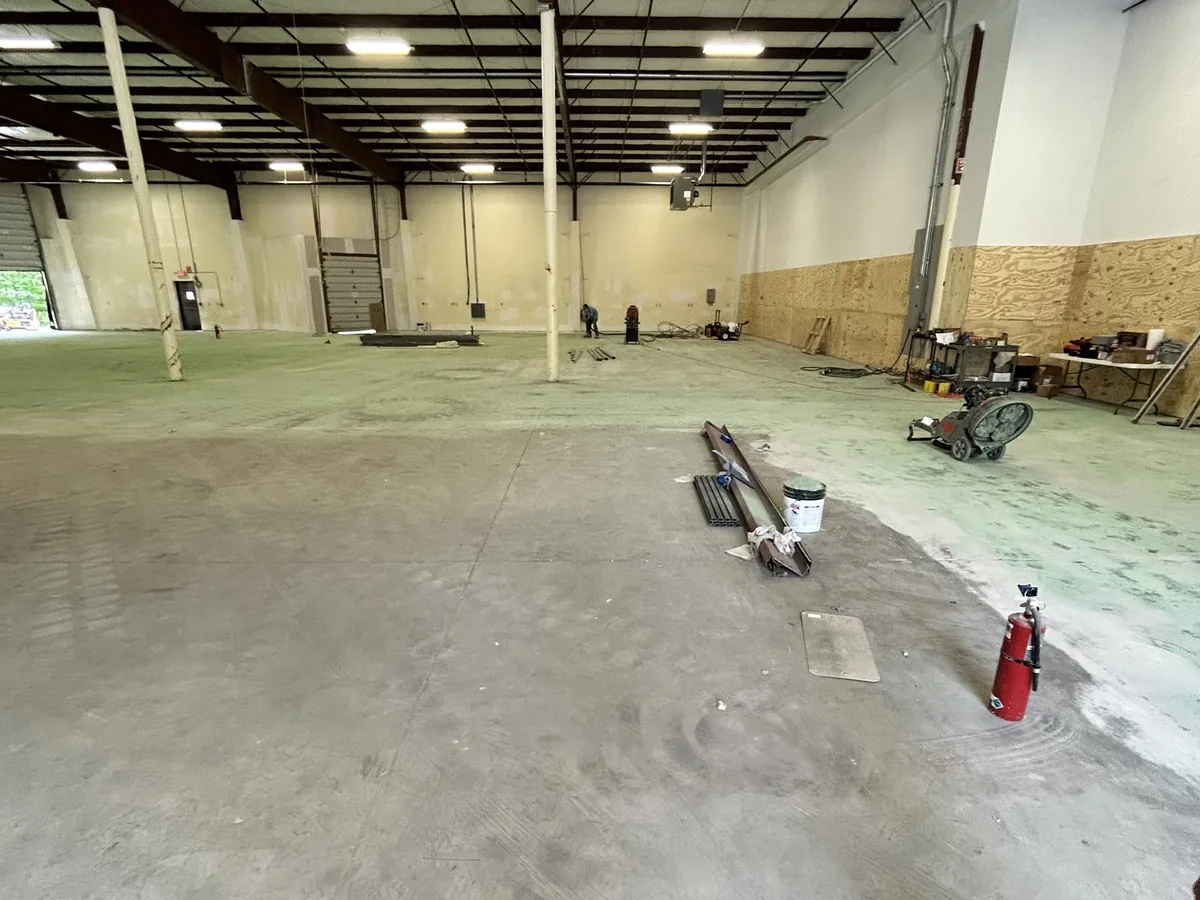
One pigmented coat, sealed. No chips, no pattern, no movement. It reads clean and plain and it is the quickest system to put down. It suits storage rooms, warehouse floors, plant rooms and basements where the floor is not meant to be the interesting thing in the room.
Free, no obligation, and nothing to sign. We answer the same day, weekends included.
When you want your floor sealed, cleanable and out of the way.
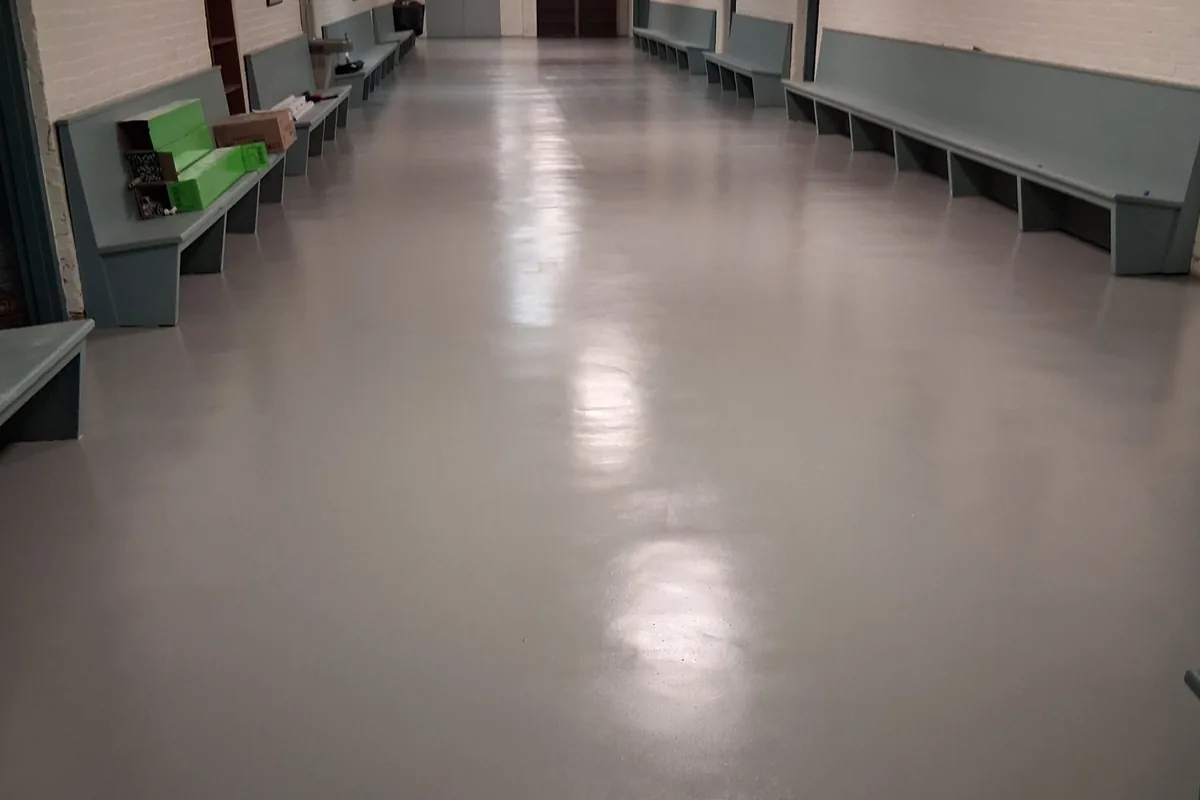
Nothing is on display and nobody looks at the floor. We seal your slab, the dust stops and it washes, which is the whole requirement.
Line marking works better on a plain floor. If you need bays, walkways or hazard markings, this is the surface we put them on.
Sealing the slab now and living with it is reasonable. It can be recoated later once you know what the room is going to be.
It shows more and it hides less. That is the deal you are making with a plain surface.
Every drip, tire mark and scuff shows on a single color, because there is no pattern to break it up. In your garage that becomes obvious quickly.
A plain coat follows the shape of what is underneath. If your slab is uneven or patched, solid color will not hide it and flake would.
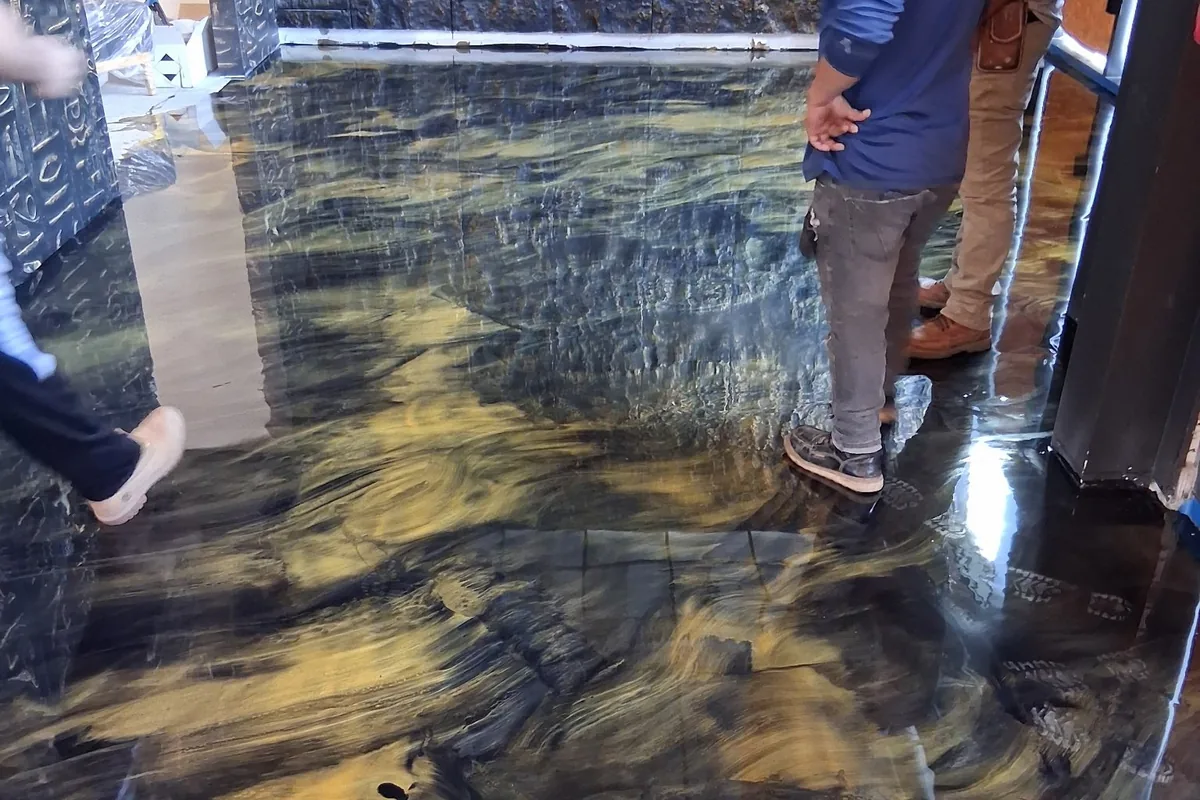
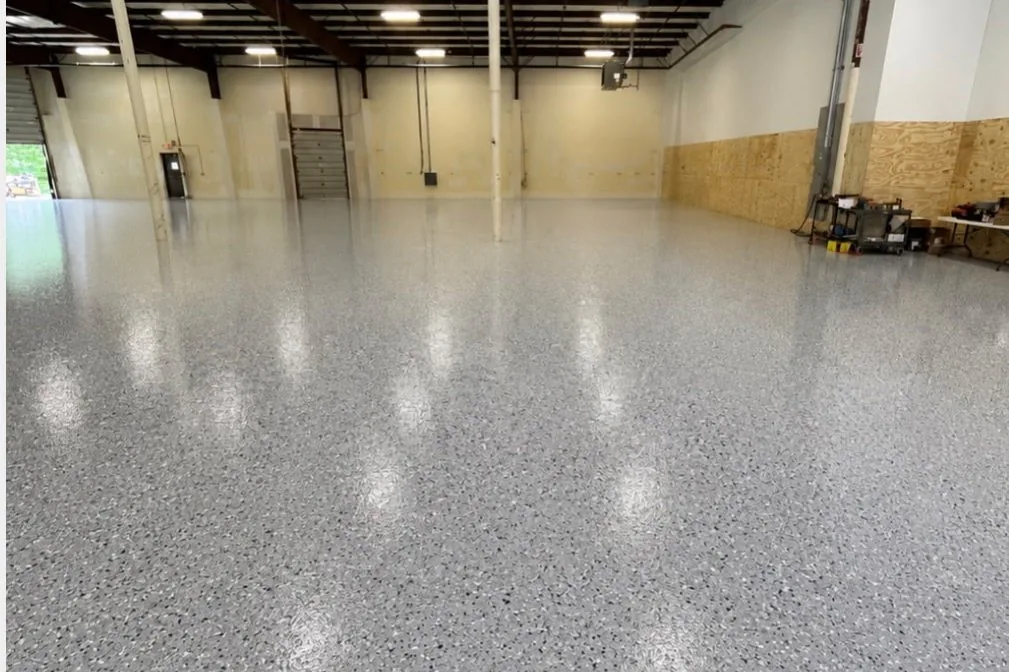
Every floor on this page is one we poured
The shortest process on this site, which is most of its appeal.
Identical to every other system. The slab is the job.
We prime porous or thirsty concrete so your color coat sits evenly rather than soaking in unevenly.
One or two coats of color. With no broadcast step there is no cure and scrape cycle in the middle, which is why we get this system down quickest.
A clear over the color takes your wear and lets us renew the floor without repainting it.
When the floor's job is to be sealed, cleanable and unremarkable.
Line marking sits better on a plain floor, and if you need bays, walkways or hazard markings this is the surface we put them on.
Nothing is on display. We seal your slab, the dust stops and the room washes, which is the entire requirement.
Seal it now and live with it. We can recoat or flake it later once you know what the room is for.
Where your racking, machinery or shelving covers most of the floor anyway, a pattern is money spent on something nobody sees.
Two, and both are the same property seen from different sides.
Every drip, tire mark and scuff is visible on an unbroken color. In a garage that becomes obvious within a season, which is why flake exists.
A plain coat does not hide undulation, patching or a repair. If your concrete is uneven or has been made good in three different colors, a flat coat shows the history and a flake blend does not.
In a working garage. In a warehouse it is exactly right.
4.7 from 15 Google reviews. We publish every one of them on the reviews page, including the one star and what came of it.
excellent job on my Garage thanks again
best in the area when it comes to epoxy thanks gain Brad
Great experience thanks again Brad
The thing a plain floor does better than any other system, and the main reason you would specify it for a warehouse.
We lay your lines into the system rather than taping them on afterwards, so they do not peel, lift at the edges or need redoing every year.
Putting your pedestrian routes in a different color from vehicle areas is the least expensive safety improvement available on a warehouse floor.

Around your panels, exits and racking ends. Specified while we are coating it costs very little; retrofitted it is a second mobilisation.

We mark it out before your racking goes back in, which is far easier than marking around it.
Your color matters more here than on any other system, because there is nothing else going on.
Light floors show dirt, dark floors show dust. Mid gray is our default for a reason and it is rarely the wrong answer for you.
In a windowless warehouse or your basement, a light floor measurably improves how the space feels under a bulb.
Yellows and reds for hazard, and matching those to what your business already uses is worth checking before the day.
Not much, and it is a second setup for us. Decide it with us at the quote.
The rooms nobody photographs, and where we most often find this is exactly right.
Sealing your slab keeps dust out of the equipment and makes spills visible and cleanable. A light color makes a windowless plant room genuinely easier to work in, which matters to whoever maintains it.
Concrete dust is the enemy of your equipment with fans in it. A sealed floor is standard practice for good reason, and we can supply static-dissipative versions where your specification calls for one.
Sweepable, mopped, and marked out if your racking layout needs it. There is nothing to look at and nothing that needs looking at.
Heavy point loads at the edge and constant traffic through one line. We build solid color heavier to handle it, and your wear shows in a predictable strip we can recoat on its own.
Long runs where you just need the floor clean, sealed and not worth thinking about. That is the whole brief and this system meets it without spending your money on appearance.
We put down four layers, and each one has its own job. Scroll and we'll take your floor apart so you can see them.
We install six systems, and most floors we put down combine two of them.
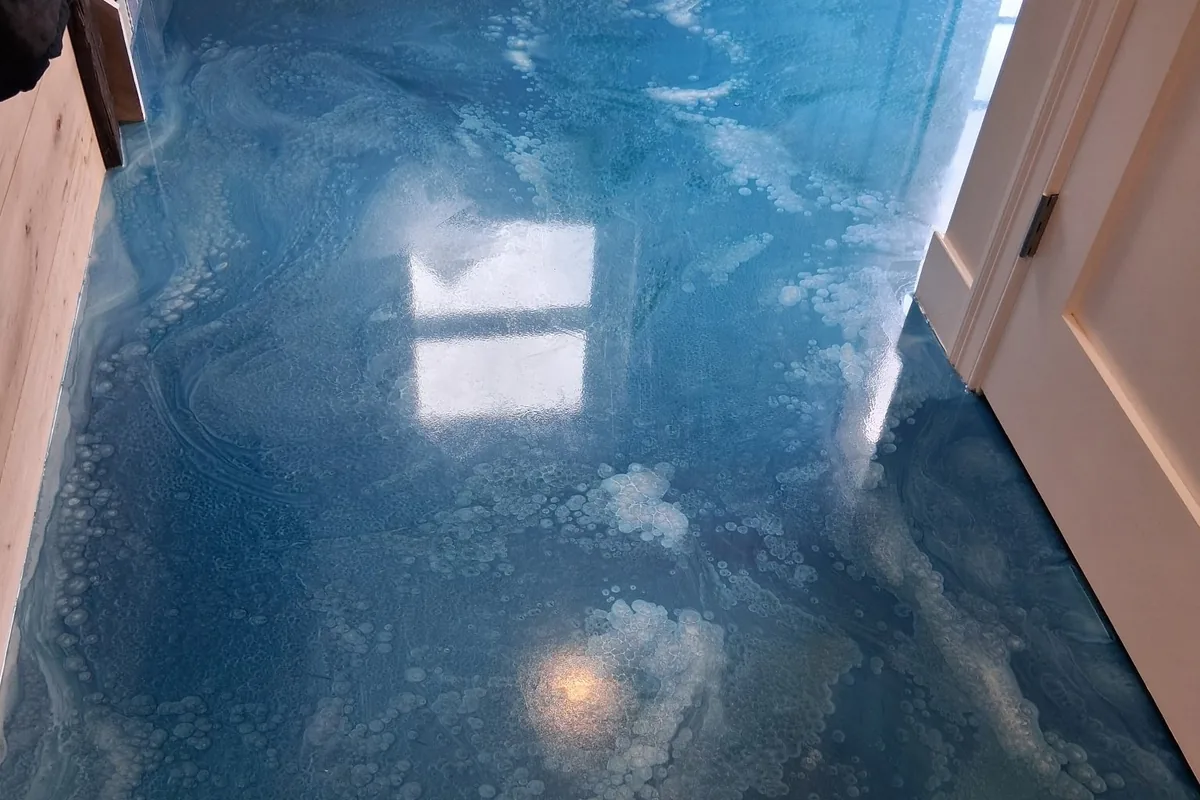
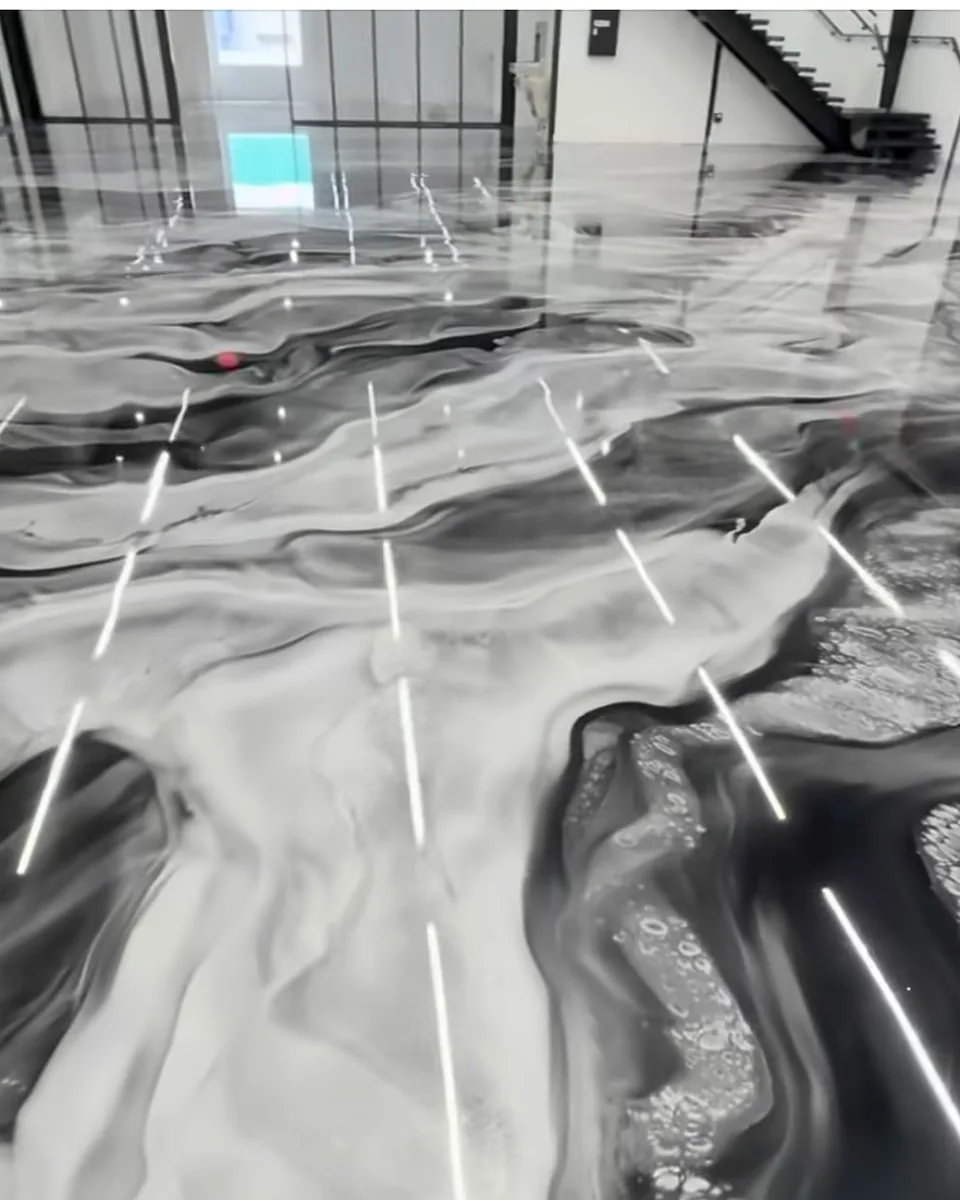
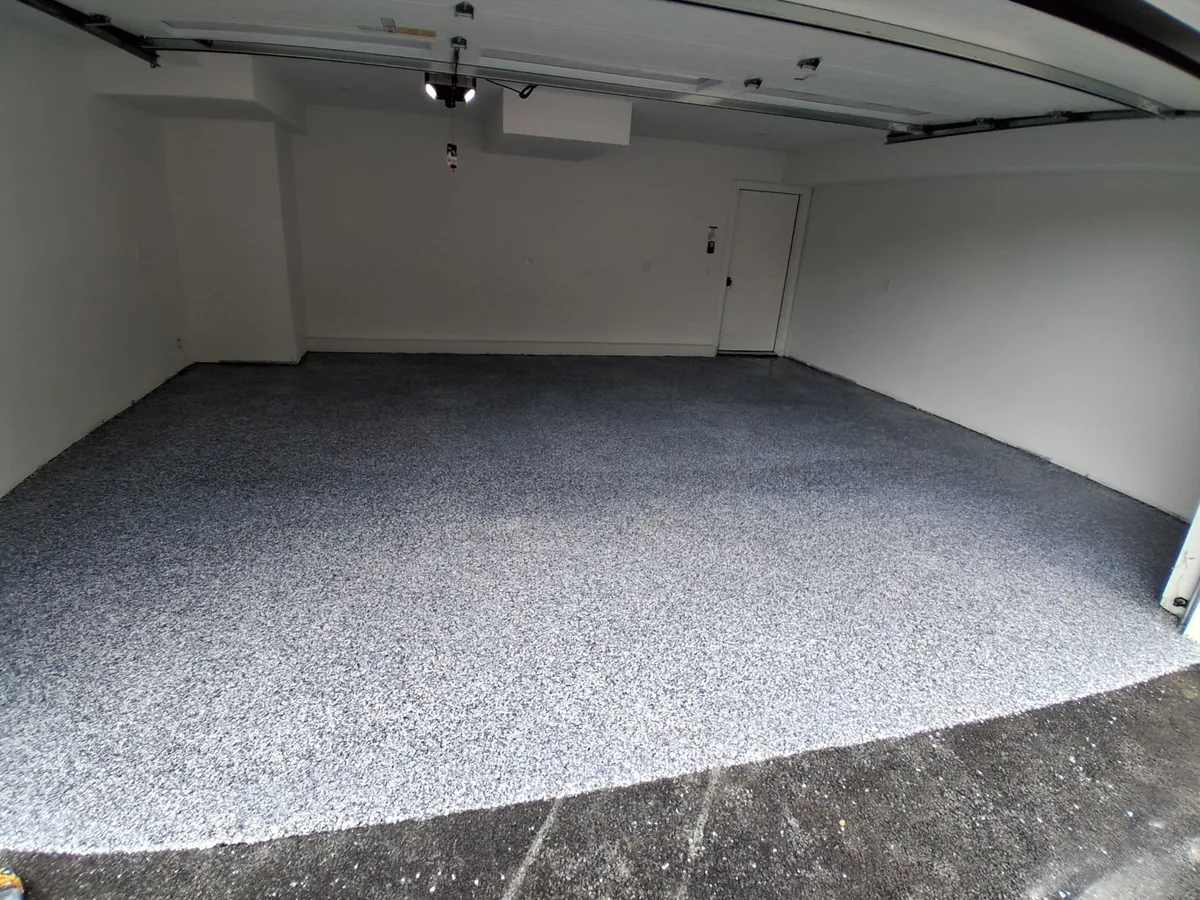
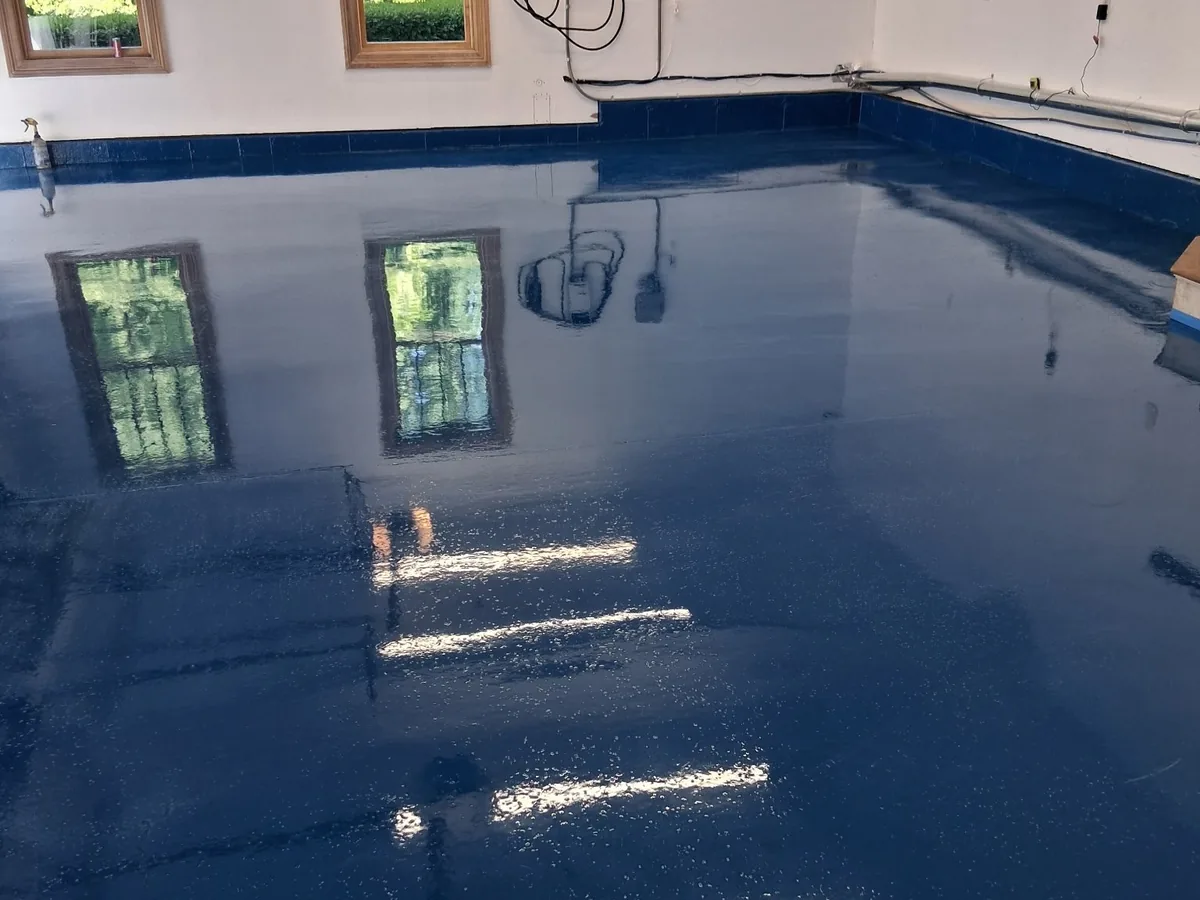
Three steps, and Brad does every one of them himself. Most residential floors are finished in a day.
Tell us the room and roughly how big it is. We'll talk you through the range and book a time to come and look, often the same day. Weekends count, and there's nothing to sign.
He checks for cracks, old coating and moisture, then measures up. You choose your flake blend or metallic against your own floor, not a brochure. Your written quote comes back the same day.
Your slab goes back to bare concrete under a diamond grinder with dust extraction. Then the primer, the body coat with your flake or metallic, and the top coat. You get your walk-on and park-on times with the quote.
For a floor whose job is to be unremarkable. It is the simplest of the systems and the easiest to touch in later.
Get my free quoteWe can recoat your floor, and we have to prepare the existing surface first. It is not simply another coat over the top.
A wide standard range. Bring the color you want and Brad will tell you whether it is available in the system that suits the room.
Smooth by default. We put grit in the top coat where your floor gets wet.
A pigmented resin coat we seal with a clear top coat. No chips, no aggregate, no pattern.
It sits at the same rate as flake. We get it down quicker because there is no broadcast and scrape cycle.
More than flake does. An unbroken color shows you every mark, because there is no pattern to break it up.
A wide standard range. Bring the color you want and Brad will say whether it is available in the system that suits the room.
Yes. We lay them into the system so they wear at the same rate as your floor rather than peeling like tape.
Mid gray hides most and is our common default. Light colors brighten a windowless space; dark ones show dust.
It is one of the best uses we have for it. Sealed against dust, your spills are visible, and a light color makes a windowless room easier to work in.
Usually a primer where your slab needs one, one or two pigmented coats, and a clear top coat. The clear is what lets us renew it later without repainting your color.
Yes, with grit in the top coat. It is what we normally specify for your warehouse ramp or a wash-down area in an otherwise plain floor.
Tell us roughly what you have and we'll come and look at it. The quote is free, there's nothing to sign, and you'll know what your floor costs before you commit to anything.
Get Your Free Quote Call or Text (203) 496-6386