
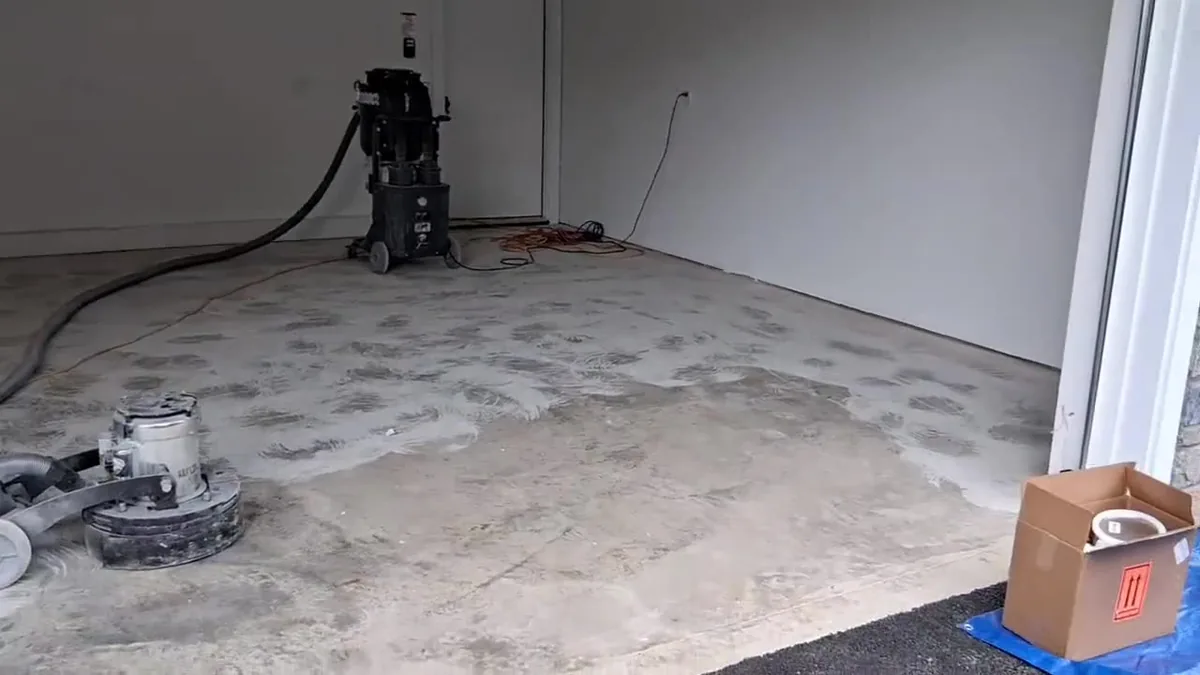
Working into late autumn
Epoxy becomes unpredictable as your slab cools. Polyaspartic keeps curing lower, which extends our season by weeks at both ends and is often what decides whether your job happens this year.
Polyaspartic cures in hours rather than overnight, stays clear where sunlight reaches it, and can be applied at temperatures that stop epoxy working. It is normally the top coat rather than the whole floor, and it is what makes a same-week turnaround possible.
Free, no obligation, and nothing to sign. We answer the same day, weekends included.
Three reasons, and if none of them apply to your room you may not need it.
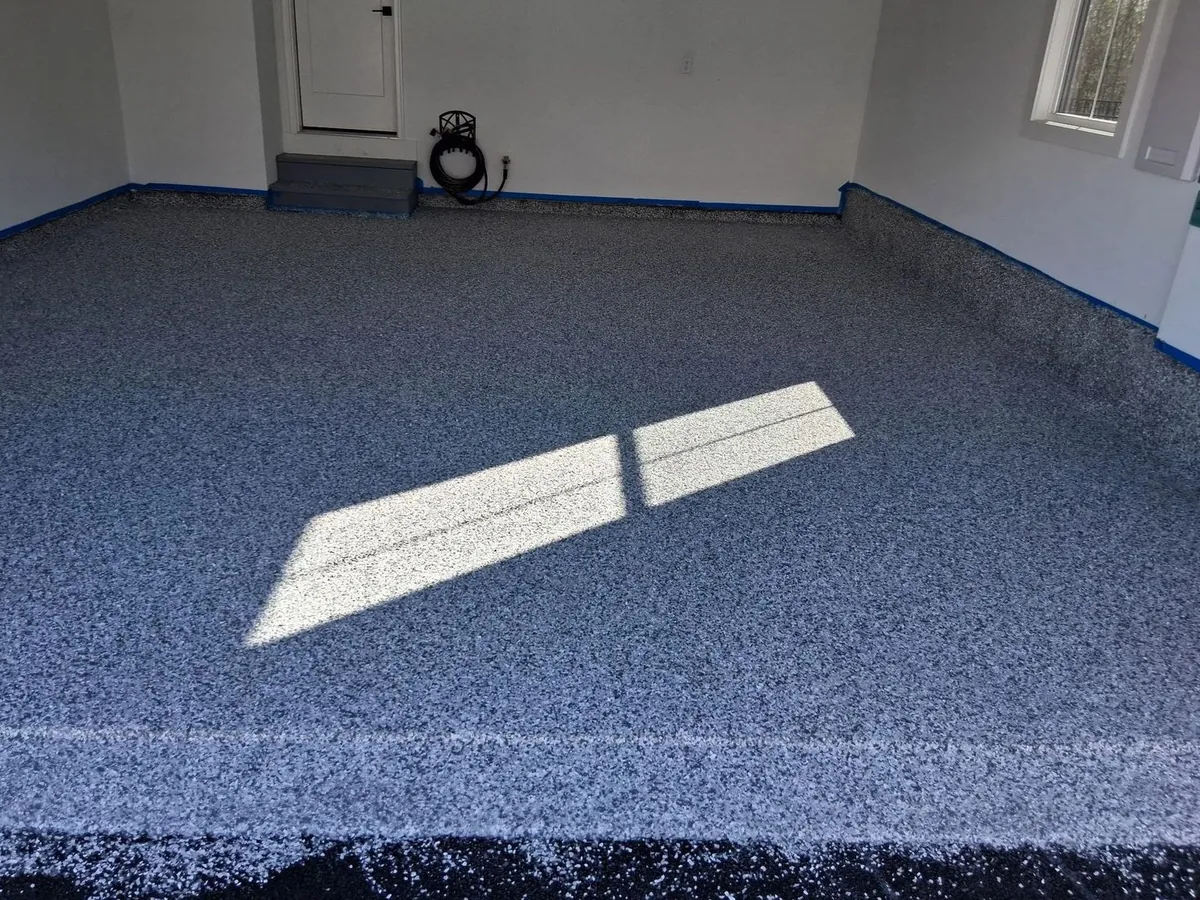
Clear epoxy ambers where daylight falls on it directly. Polyaspartic does not. If your space has a glass door, a window wall or is outside, this is the difference between a floor that looks right in three years and one that does not.
Because we recoat it in hours, we can grind, coat and top your floor in a much shorter window. If you are losing trading days, that is the whole argument.
Epoxy gets unreliable as the temperature drops. Polyaspartic keeps working lower, which here decides whether your job happens in November or waits until spring.
It is different, and the good floors use both. If you treat it as a straight upgrade you are thinking about it the wrong way.
Epoxy is thicker and bonds hard to prepared concrete, which is why we make it the body of your floor. Polyaspartic is thinner and tougher at the surface.
A coating that sets in hours gives us less working time. On your flake floor that matters, because the chips need time to lie flat. It is a reason to have it installed rather than attempt it.
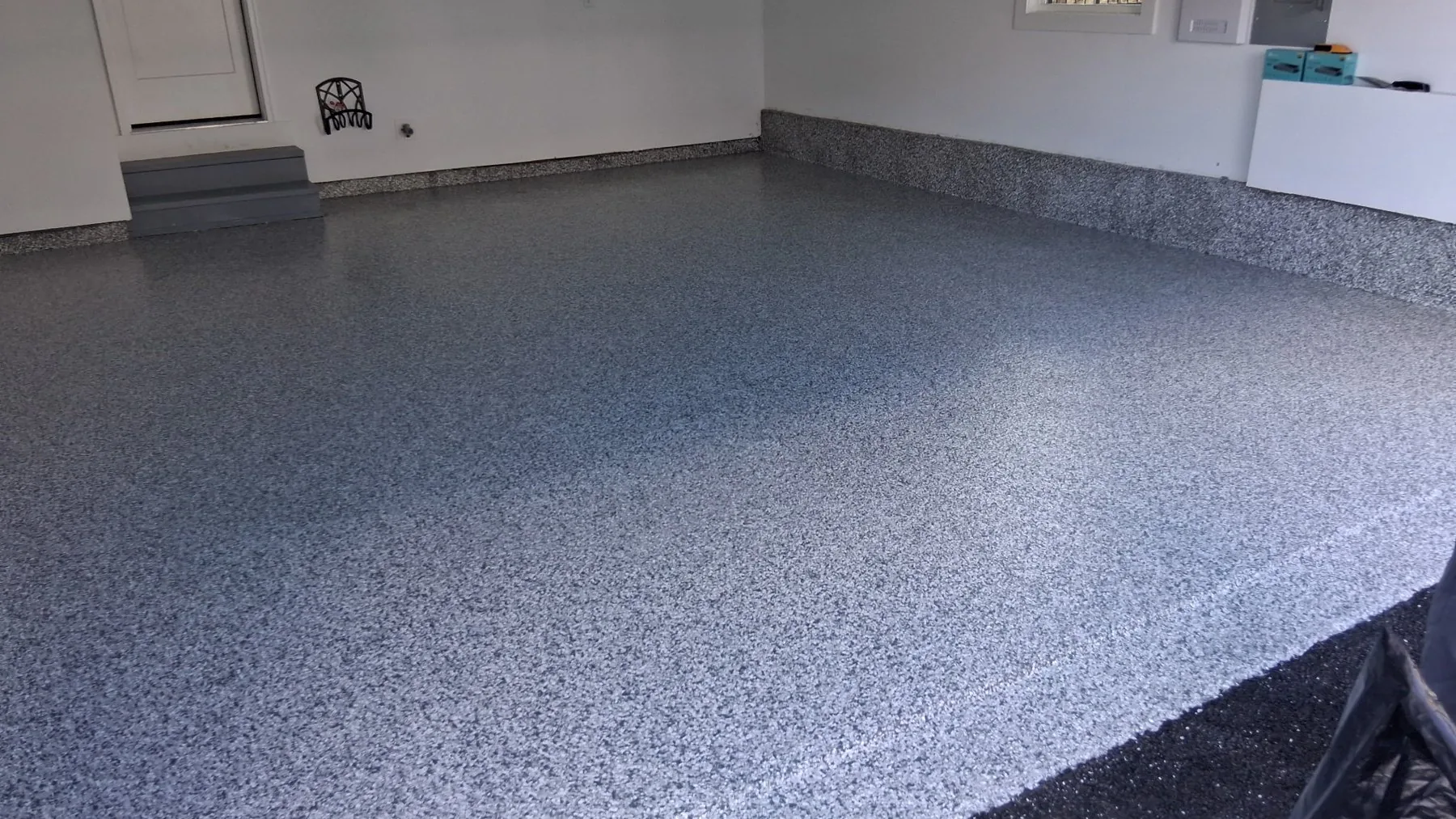


Every floor on this page is one we poured
A polyurea, and we find you are best off thinking about it as a top coat with three specific properties rather than as a competitor to epoxy.
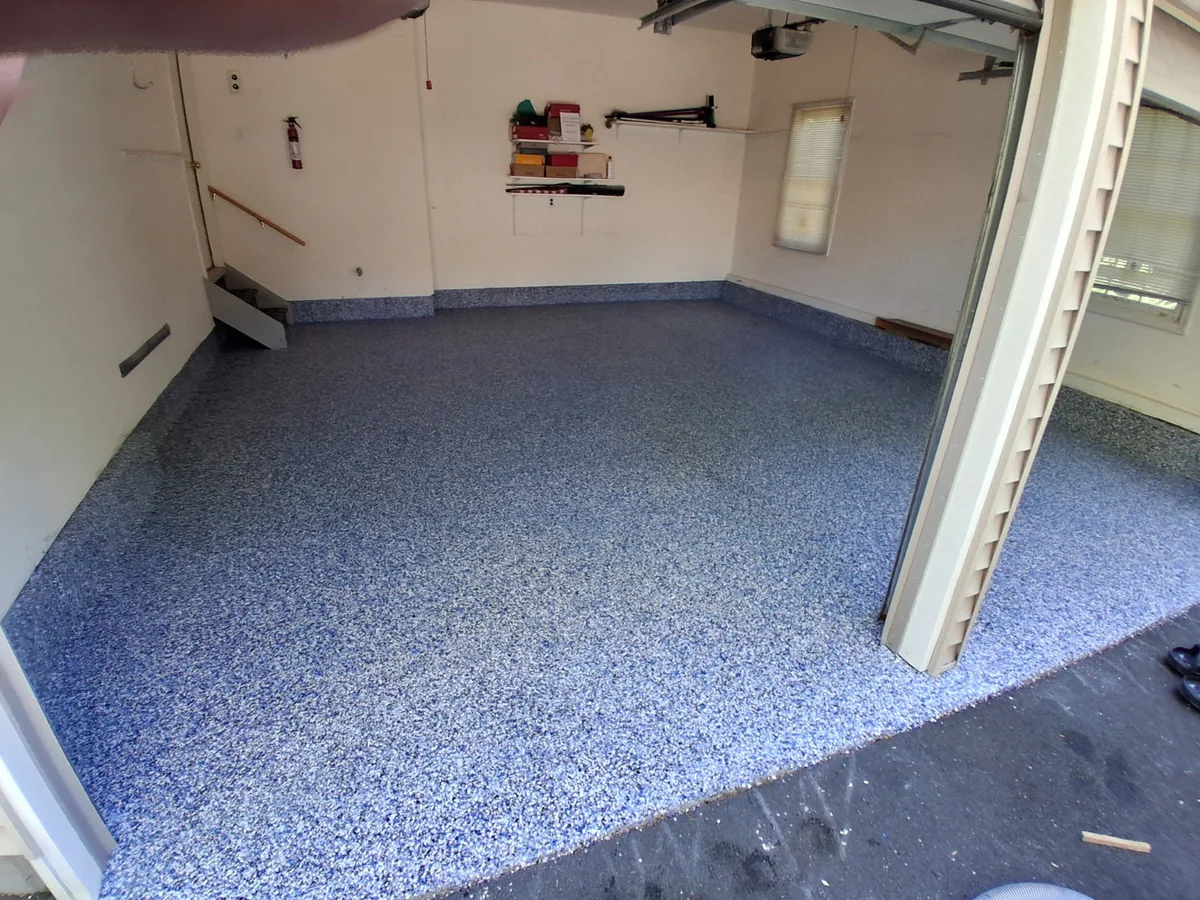
Which compresses your whole job. Three coats that would each need a night can go down inside a day or two.
Aliphatic chemistry means it holds its color under ultraviolet light where clear epoxy yellows. That is the property that matters to you outdoors and anywhere with real daylight.
It keeps curing at temperatures where epoxy becomes unreliable, which here decides whether your floor happens in November.
Which is why we normally use it as the top coat over an epoxy body rather than as your whole floor. Epoxy builds, polyaspartic protects.
Three situations we see. If none of them is yours, an epoxy top coat is a reasonable choice and it costs you less.
Glass garage doors, window walls, patios, pool decks. Without a UV-stable top coat the floor is two colors within a couple of summers, and where the sun falls is exactly where you notice.
If you are a shop, a restaurant or a warehouse losing trading days, the fast recoat window is the entire argument and it is usually decisive.
Late autumn and winter work here. Epoxy gets unpredictable on us; polyaspartic keeps working.
An epoxy top coat is fine, and we would rather put your money into preparation.
Fast cure is not free.
A coating that sets in hours gives the installer less time to work it. On a broadcast floor the chips need time to lie flat, which is one reason a DIY polyaspartic kit goes wrong.
A thinner film over a poorly prepared slab has less to hide behind, so your preparation matters even more.
Which on your small floor is noticeable, and on a large one is dwarfed by the labour it saves.
4.7 from 15 Google reviews. We publish every one of them on the reviews page, including the one star and what came of it.
great job on my Epoxy floors and countertops
amazing job on my basement thanks again Brad the epoxy flooring was better then even i expected
great job on my shop Floor thanks again Brad
The property that matters most to you here is not the fast cure, it is the temperature range.
Epoxy becomes unpredictable as your slab cools. Polyaspartic keeps curing lower, which extends our season by weeks at both ends and is often what decides whether your job happens this year.
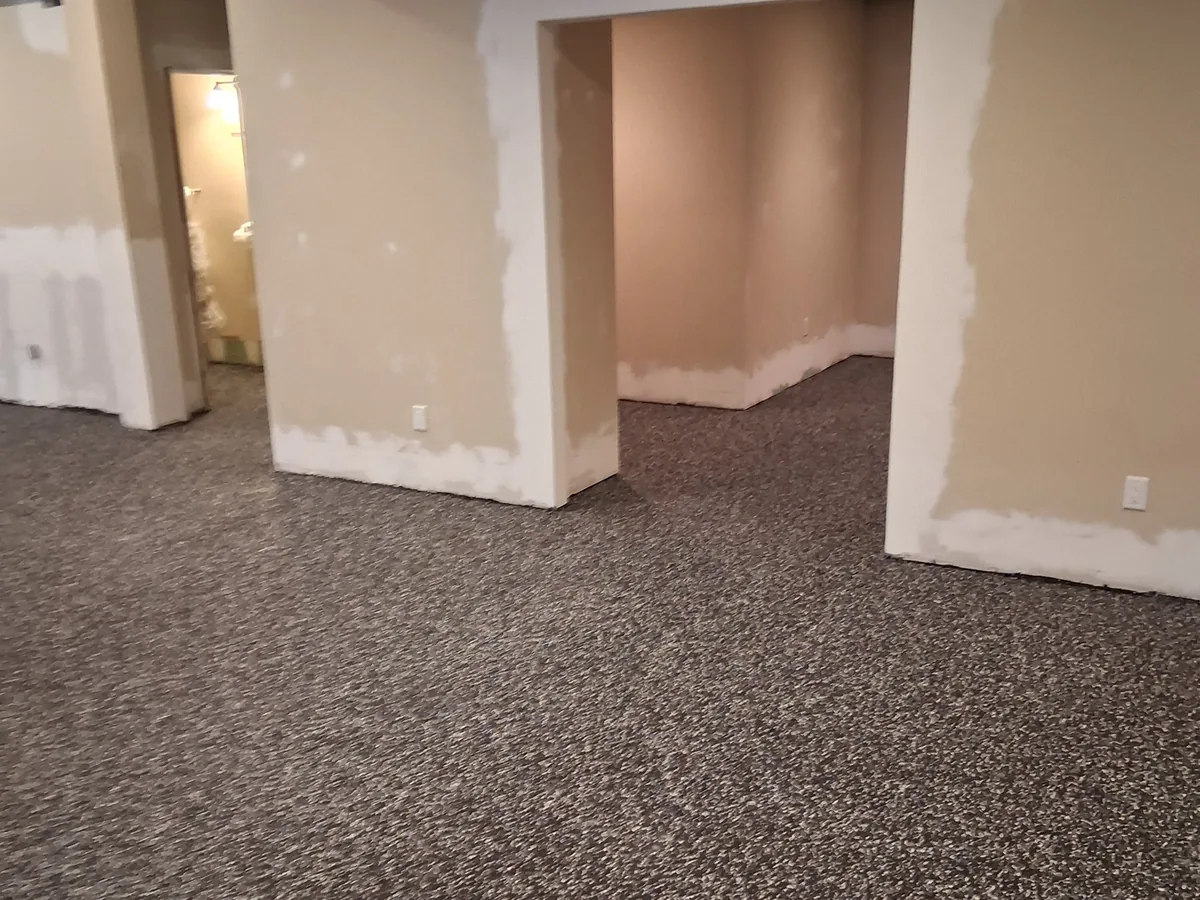
Your detached, unheated garage in November is at ambient. That is a polyaspartic conversation rather than an epoxy one, and it is common in the older shoreline towns.
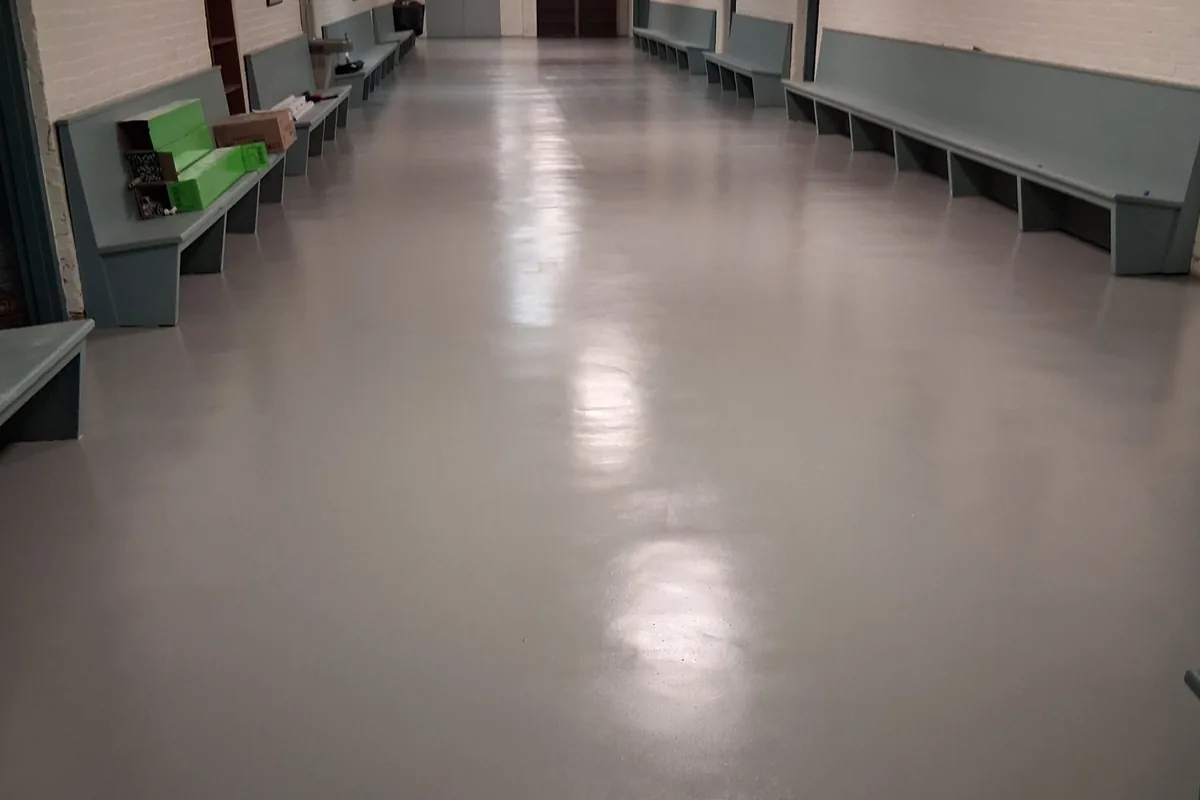
Fast cure cuts both ways outdoors. Moisture settling on a curing coat ruins it, so our window is about dew point as much as temperature.
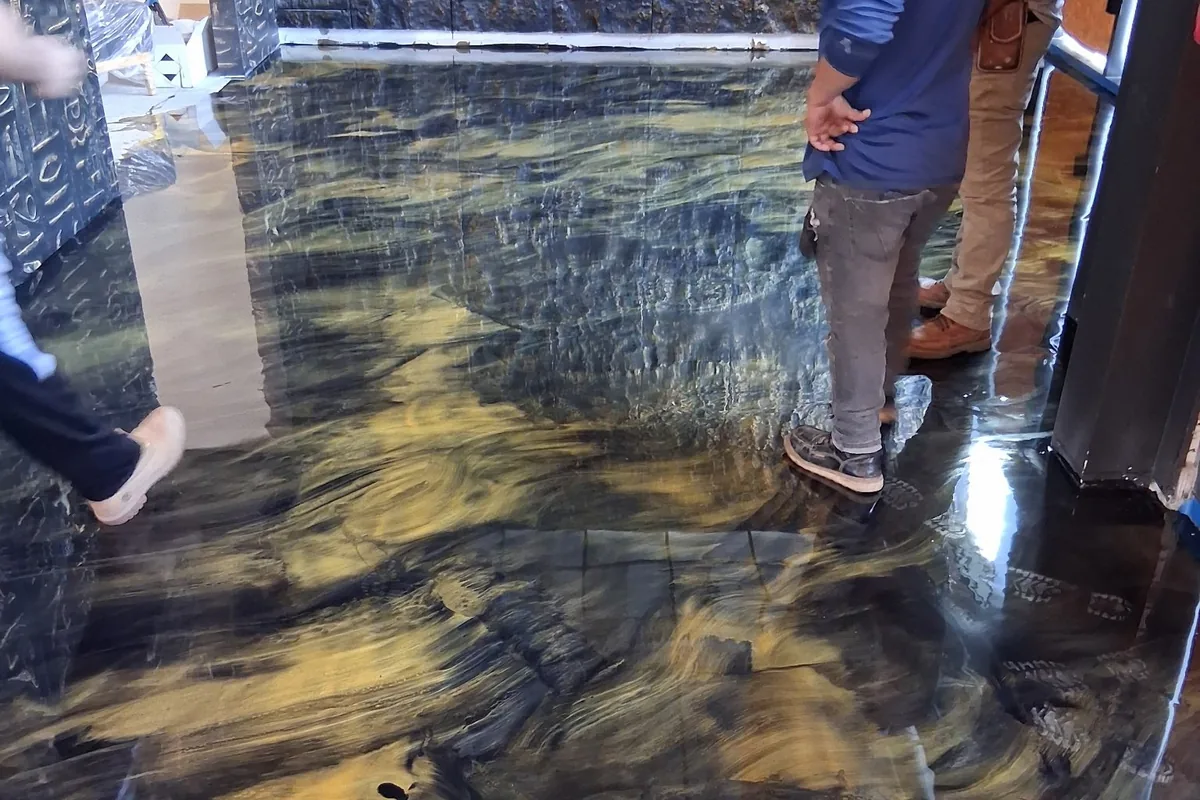
Rather than committing to a date a fortnight out and hoping.
It is a genuinely good material and it gets sold to you as a solution to things it does not solve.
A thin, fast film over an unground slab fails exactly as epoxy would. Nothing in the chemistry substitutes for our grinding.
Physically possible with the right system and crew. It also removes every margin for error, and a floor rushed to fit a marketing promise is not a bargain for you.
It is tougher and thinner. On impact, a thicker epoxy build we lay can do better for you. Thickness and hardness are different properties.
Which on your small residential floor is a real difference, and on a large commercial one is dwarfed by the labour it saves.
A common and sensible thing we do with it that has nothing to do with new installations.
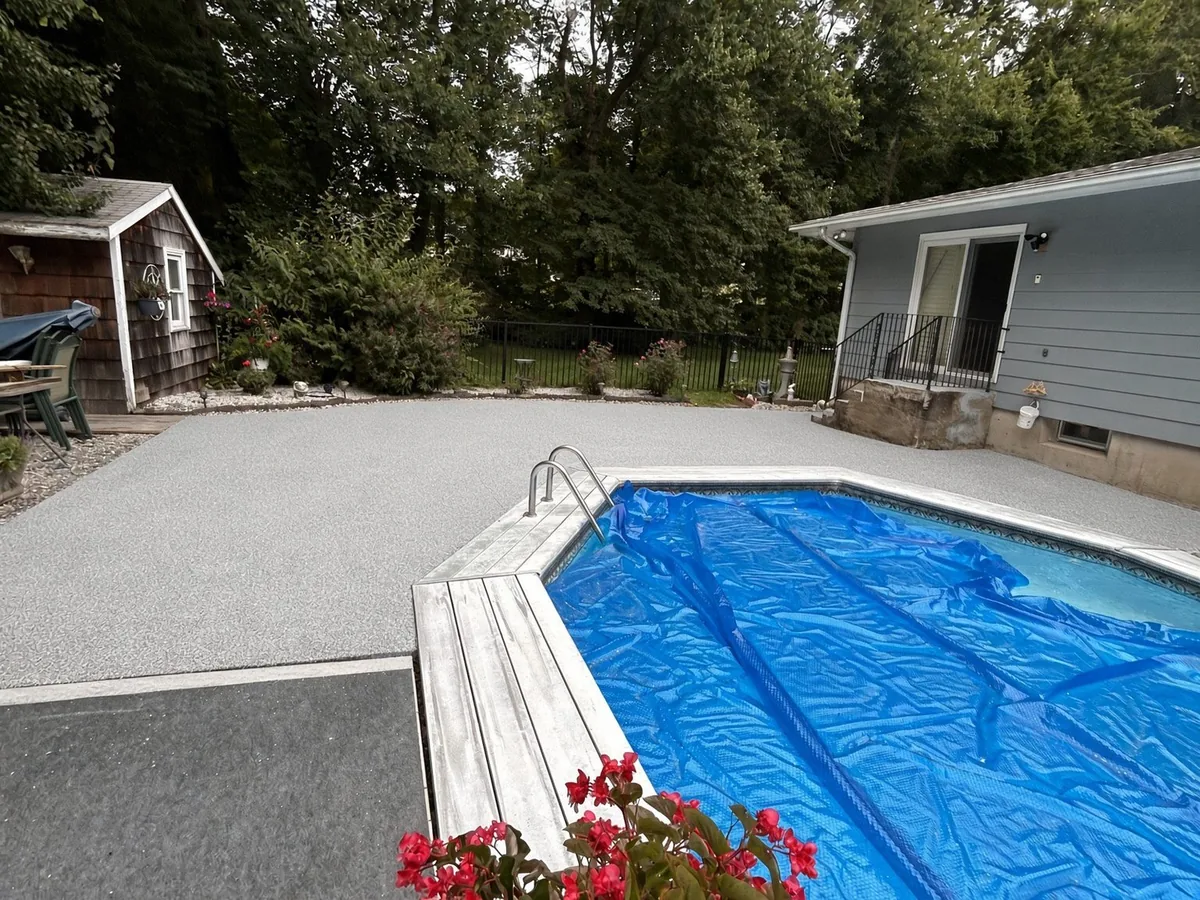
If your existing floor is sound but dull we abrade it and give it a polyaspartic top coat. It comes back looking new and gains UV stability it may not have had.
If your epoxy floor is ambering where the sun falls, our polyaspartic recoat stops it going further. It does not reverse what has already yellowed.
The fast recoat is exactly why this suits your working floor. We can often refresh it over a weekend.
A floor that is lifting or delaminating. If your bond has failed, recoating puts a new surface on a failure and buys you a season.
We put down four layers, and each one has its own job. Scroll and we'll take your floor apart so you can see them.
We install six systems, and most floors we put down combine two of them.
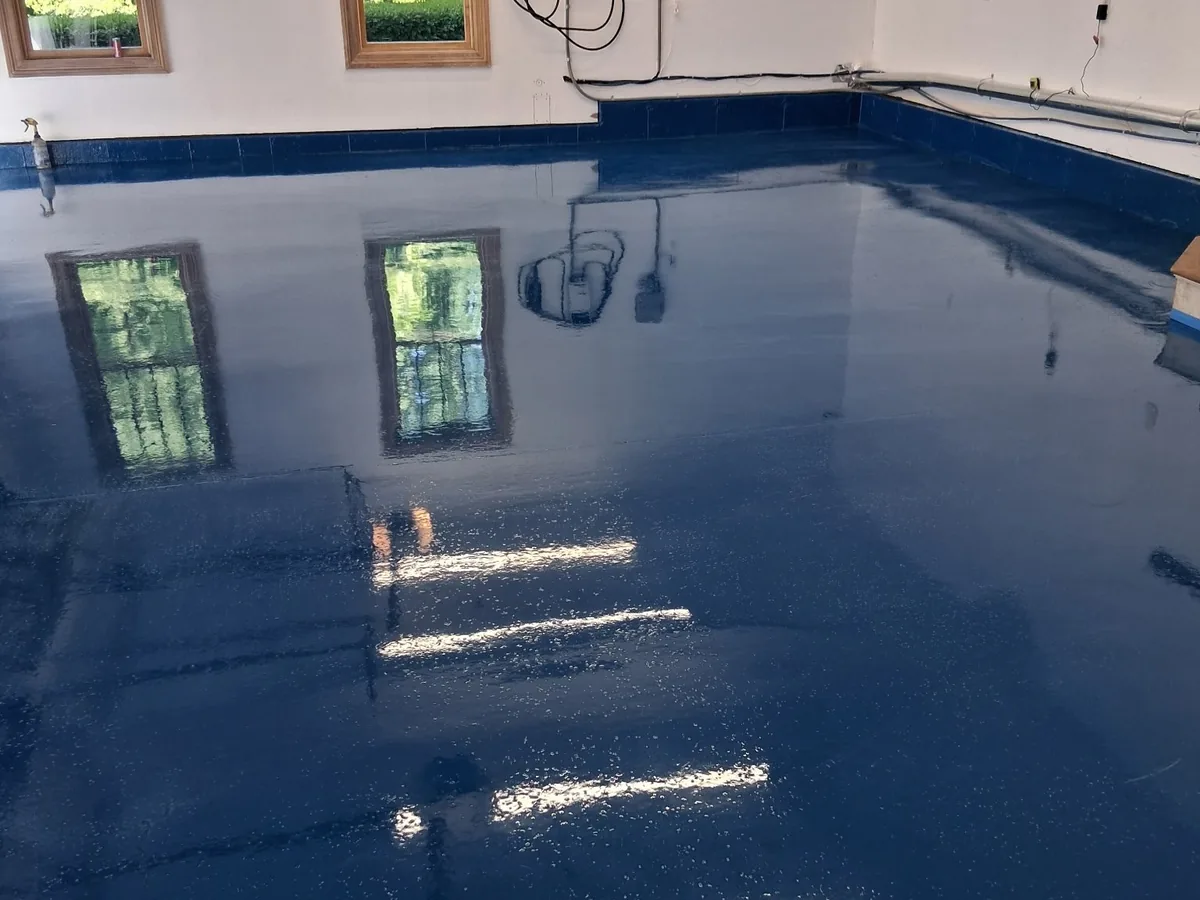
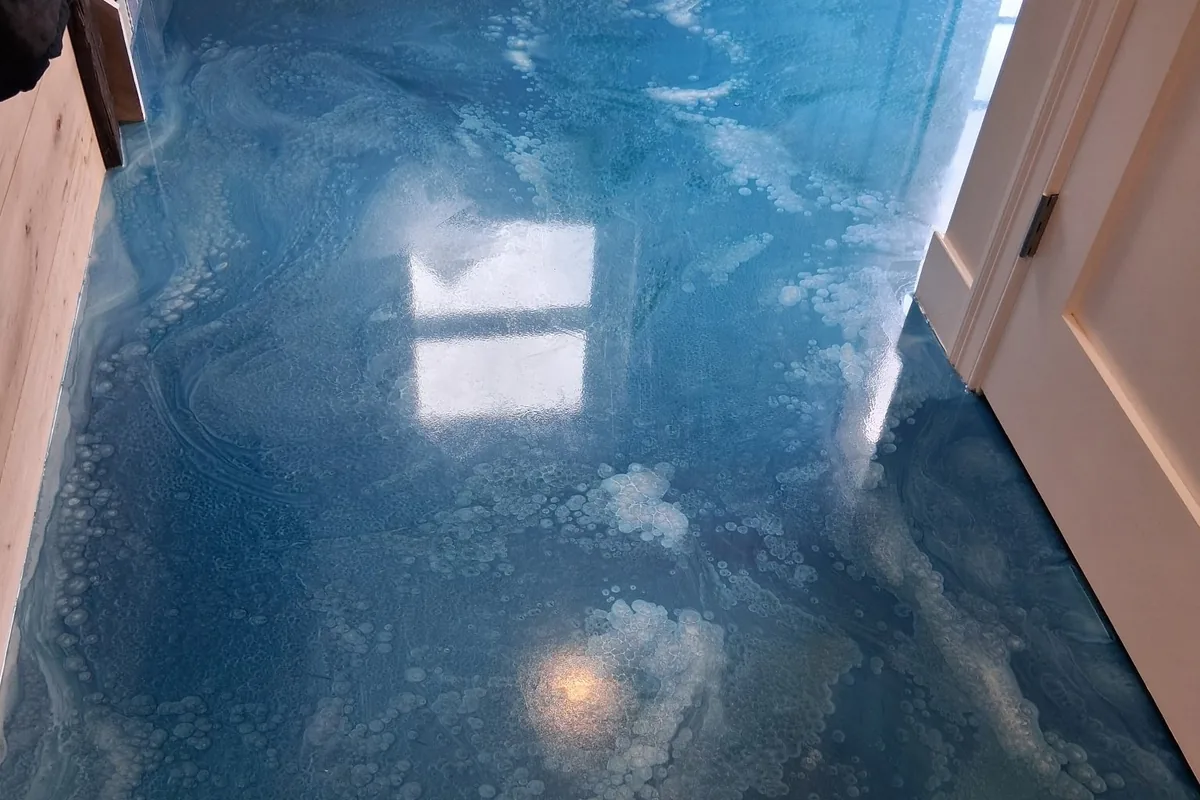
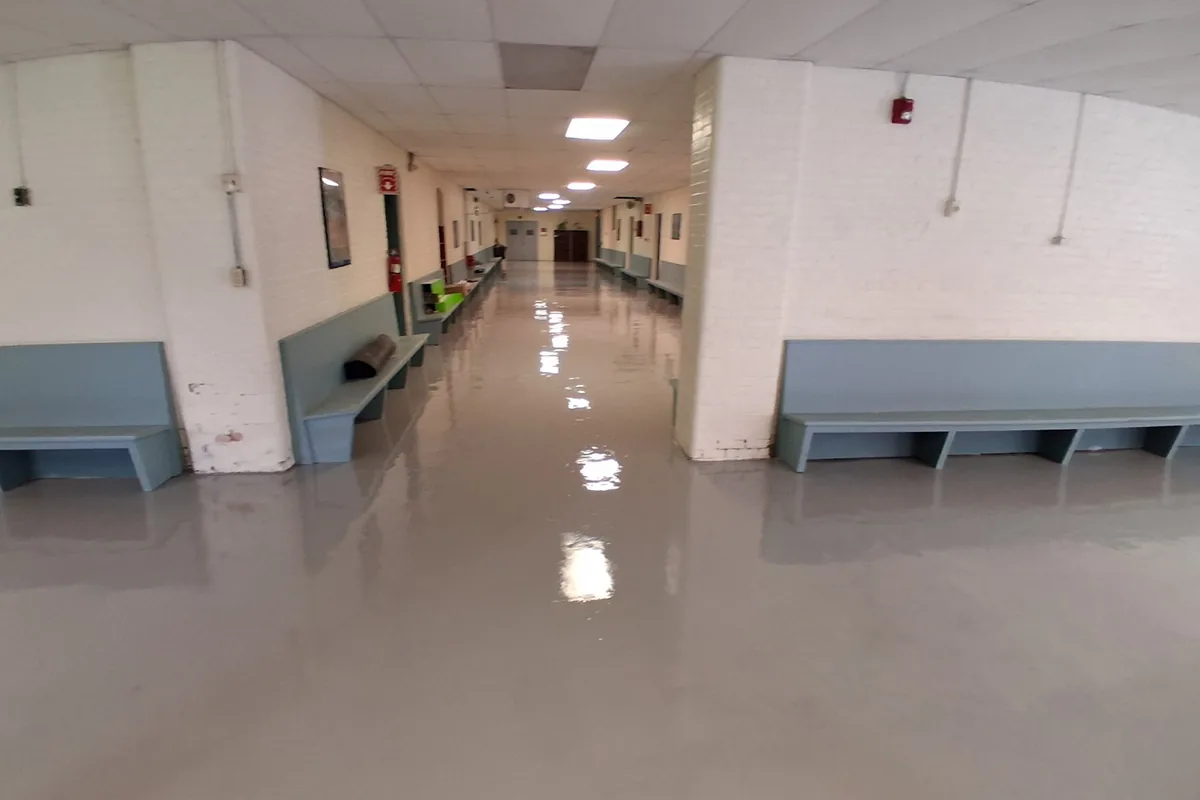
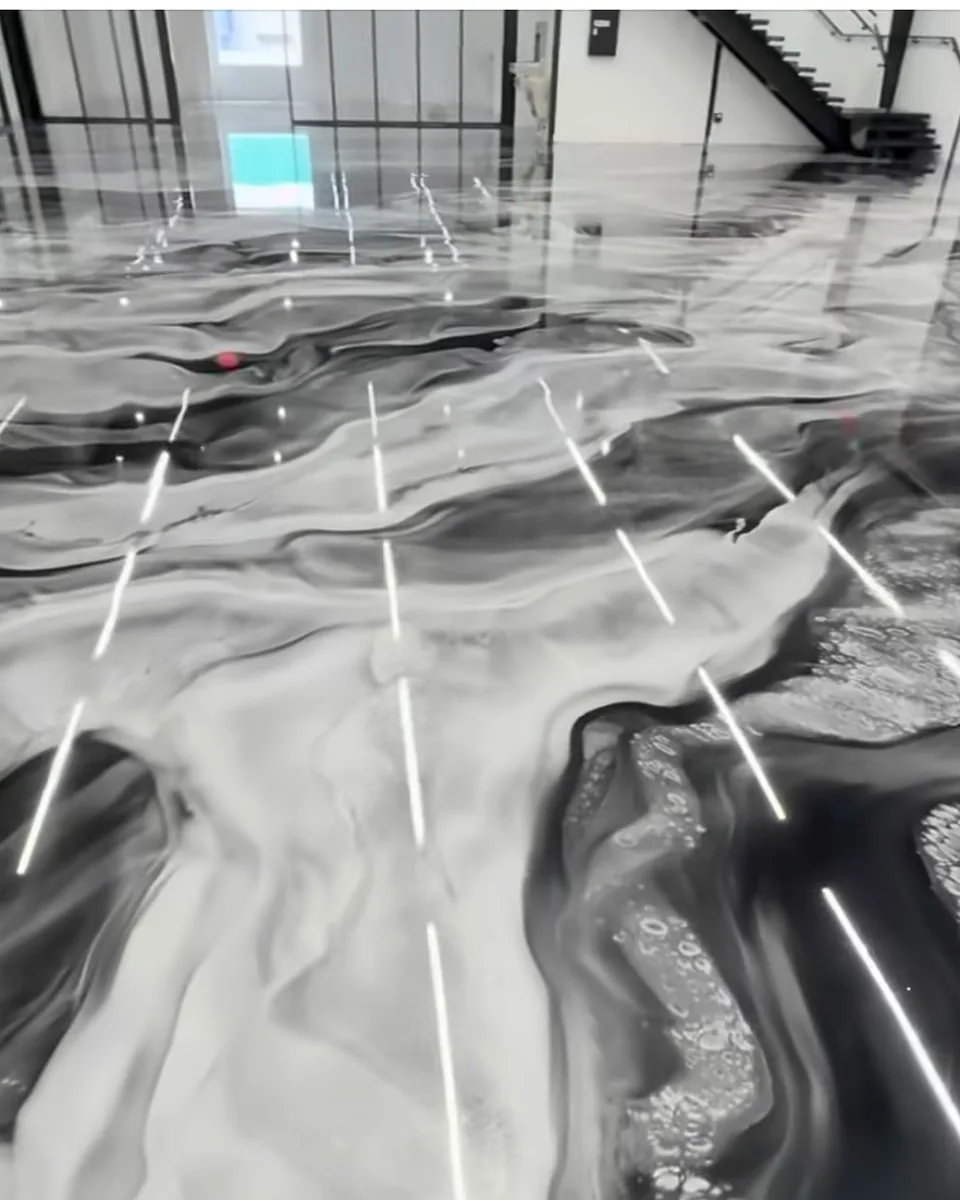
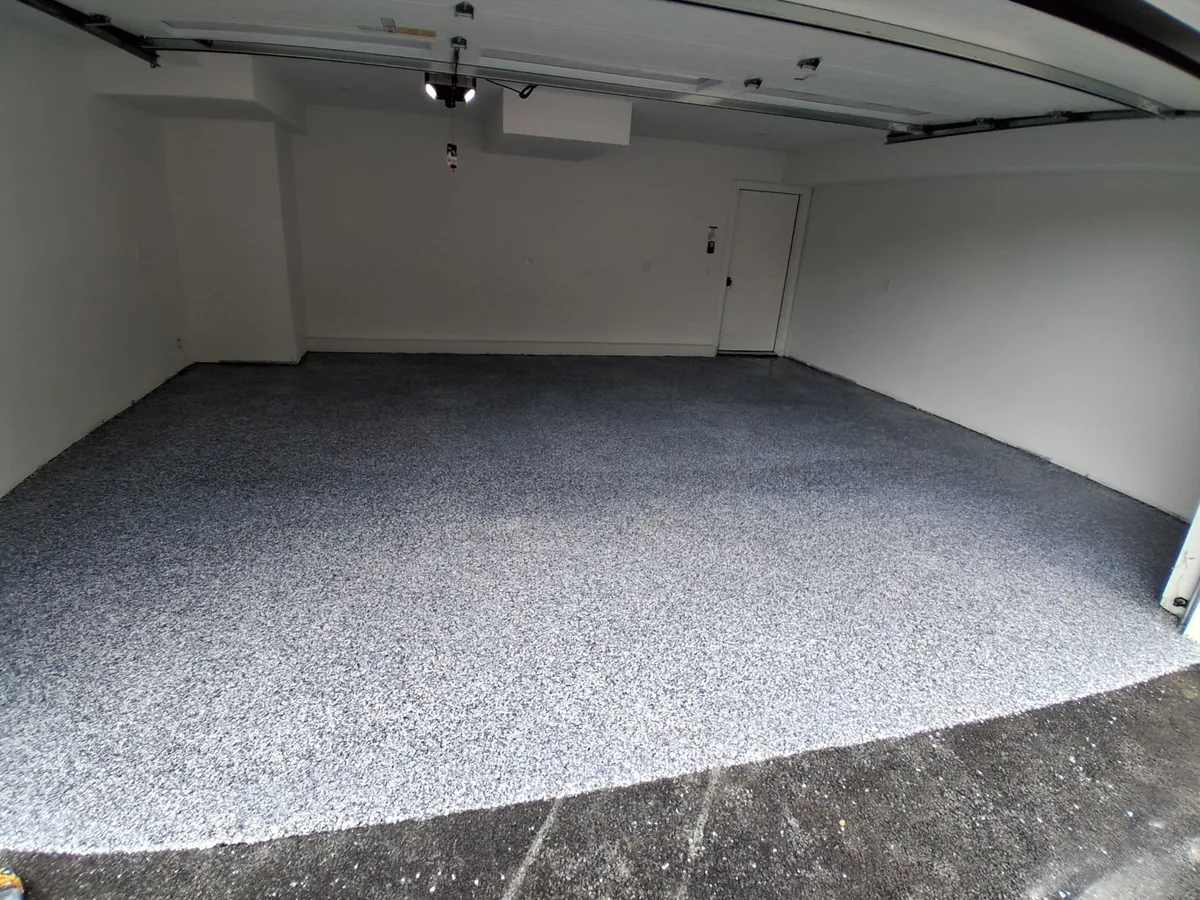
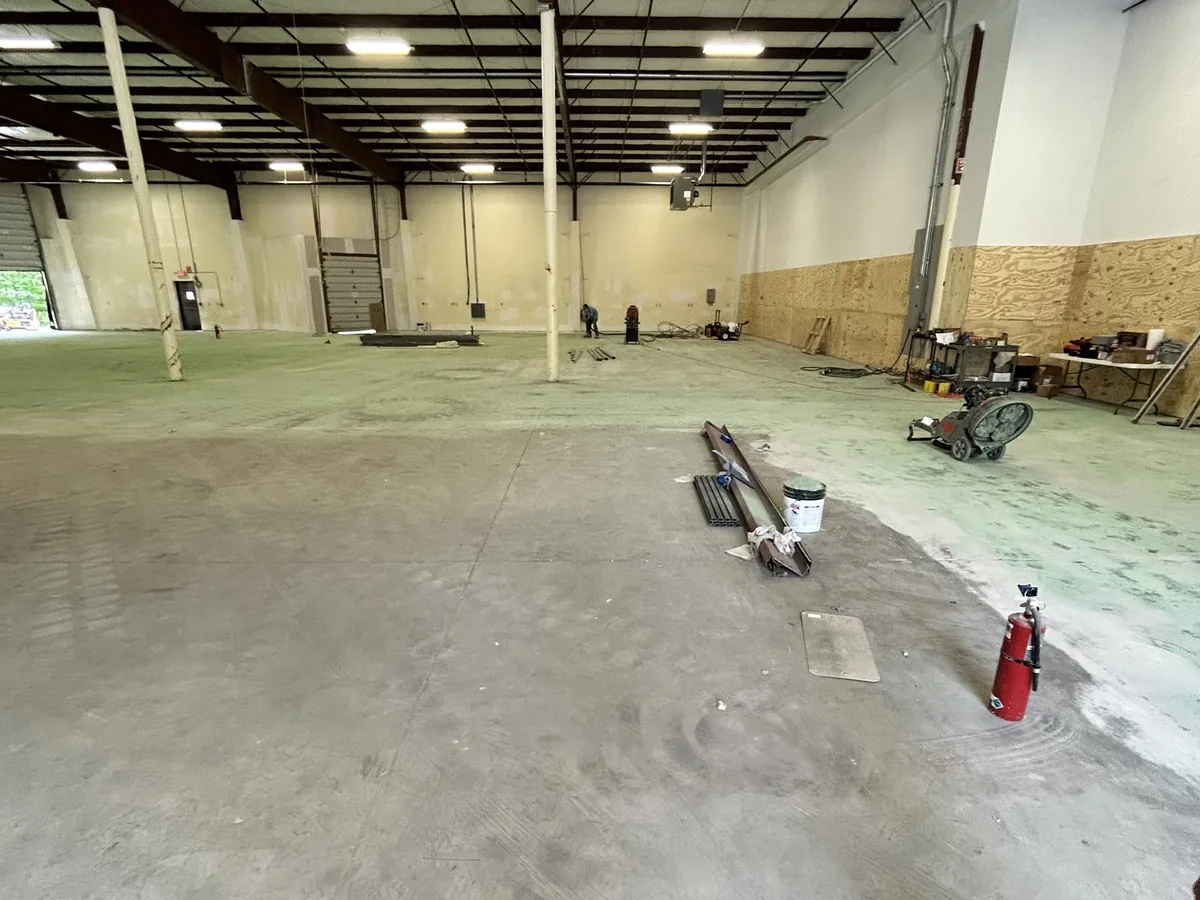
Three steps, and Brad does every one of them himself. Most residential floors are finished in a day.
Tell us the room and roughly how big it is. We'll talk you through the range and book a time to come and look, often the same day. Weekends count, and there's nothing to sign.
He checks for cracks, old coating and moisture, then measures up. You choose your flake blend or metallic against your own floor, not a brochure. Your written quote comes back the same day.
Your slab goes back to bare concrete under a diamond grinder with dust extraction. Then the primer, the body coat with your flake or metallic, and the top coat. You get your walk-on and park-on times with the quote.
It cures in hours and in cold weather, and it holds its color in direct sun. On most Atlas floors it is the top coat over an epoxy body.
Get my free quoteIt can in some situations. Whether we would depends on your slab and what the floor has to do.
It is the coating we choose specifically because it holds its color in UV. That is why we specify it for your space if it has real daylight.
The UV argument disappears. The fast turnaround argument does not.
A fast-curing, UV-stable polyurea coating. We normally use it as the top coat over an epoxy body rather than as your whole floor.
It is different. Epoxy builds thickness and bonds hard to your concrete; polyaspartic cures fast, holds color in sunlight and works cold. We use both on good floors.
No. We specify it precisely because it holds its color under UV.
It keeps curing at temperatures where epoxy becomes unreliable, which here is often the difference between your job in November and waiting.
In some situations. Whether we would depends on your slab and what the floor has to do.
It keeps curing at temperatures where epoxy becomes unreliable, which in Connecticut extends the season by weeks at both ends.
It is possible with the right system. It also removes our margin for error, and preparation is still what decides whether your floor lasts.
Yes, if your floor is sound. It refreshes the surface and adds UV stability, and it will not fix a coating that is already lifting.
Tell us roughly what you have and we'll come and look at it. The quote is free, there's nothing to sign, and you'll know what your floor costs before you commit to anything.
Get Your Free Quote Call or Text (203) 496-6386