
Late spring to early autumn
That is our workable season for outdoor resin here. Booking in February for May is normal; ringing us in June for June rarely works.
Around a pool there is one specification that matters, and it is how the surface behaves under a wet bare foot. We broadcast a texture into the coating for grip and finish it with a UV-stable top coat, so your deck holds its color through a Connecticut summer.
Free, no obligation, and nothing to sign. We answer the same day, weekends included.
Your deck is outdoors, it is wet on purpose, and people walk on it without shoes. That combination rules out most of what works indoors.

A coarse anti-slip profile that works on a loading ramp is unpleasant under a bare foot. We use a finer aggregate on your deck, chosen for the surface people actually stand on.
Clear epoxy ambers under UV, and outdoors that is not a maybe, it is a matter of time. We specify a UV-stable top coat from the start so your deck keeps the color you chose.
Chlorinated water splashes out, sits on your surface and dries there. We build the system to take that as routine rather than as an accident.
Color drives that more than the coating does, and it is worth deciding with us before you pick a finish.
A dark surface in full sun gets hot to stand on. If your deck faces south and gets used barefoot in August, that is a real argument for going lighter, and we will say so.
A textured surface holds less standing heat against your foot than a polished one does.
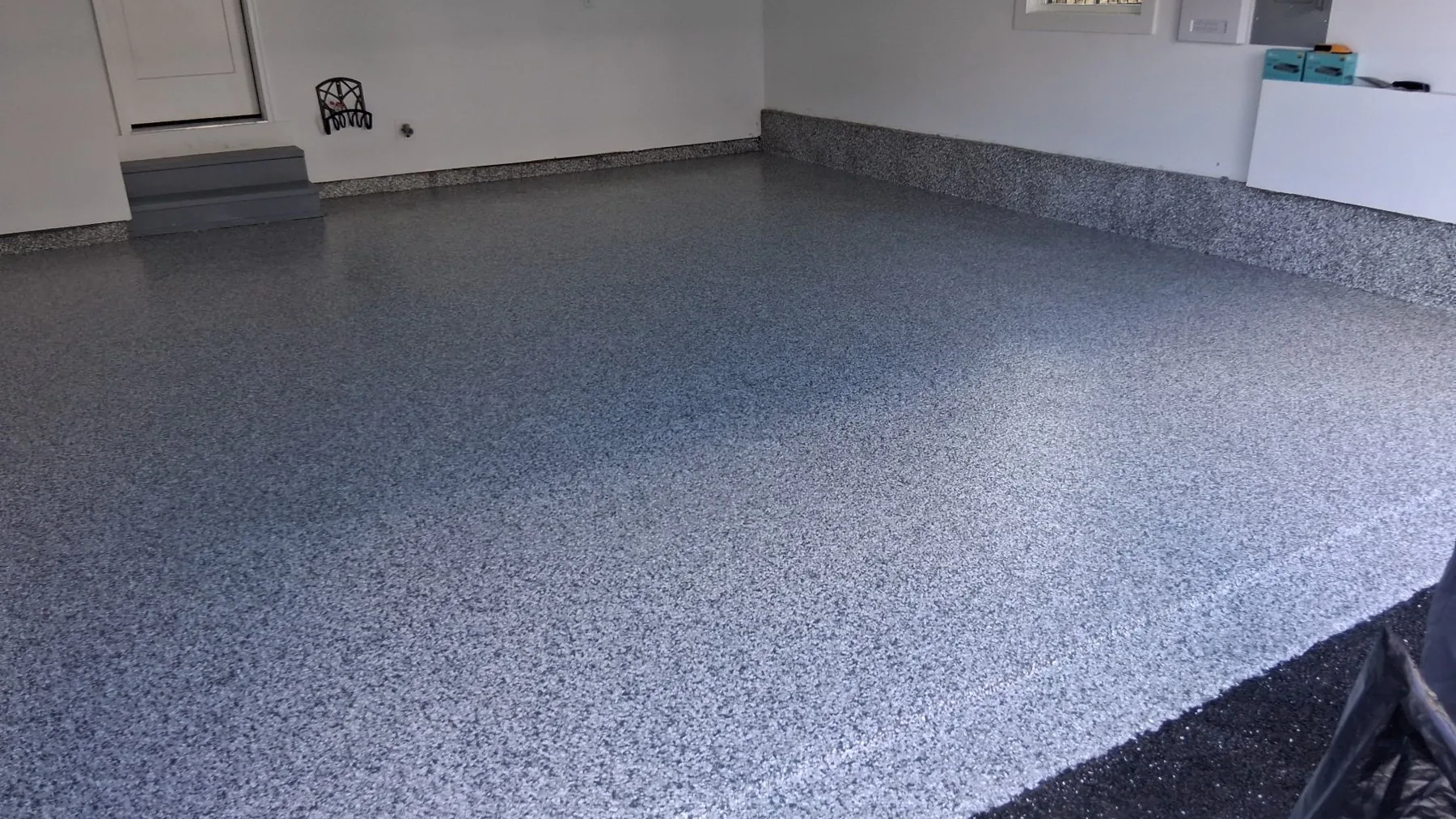
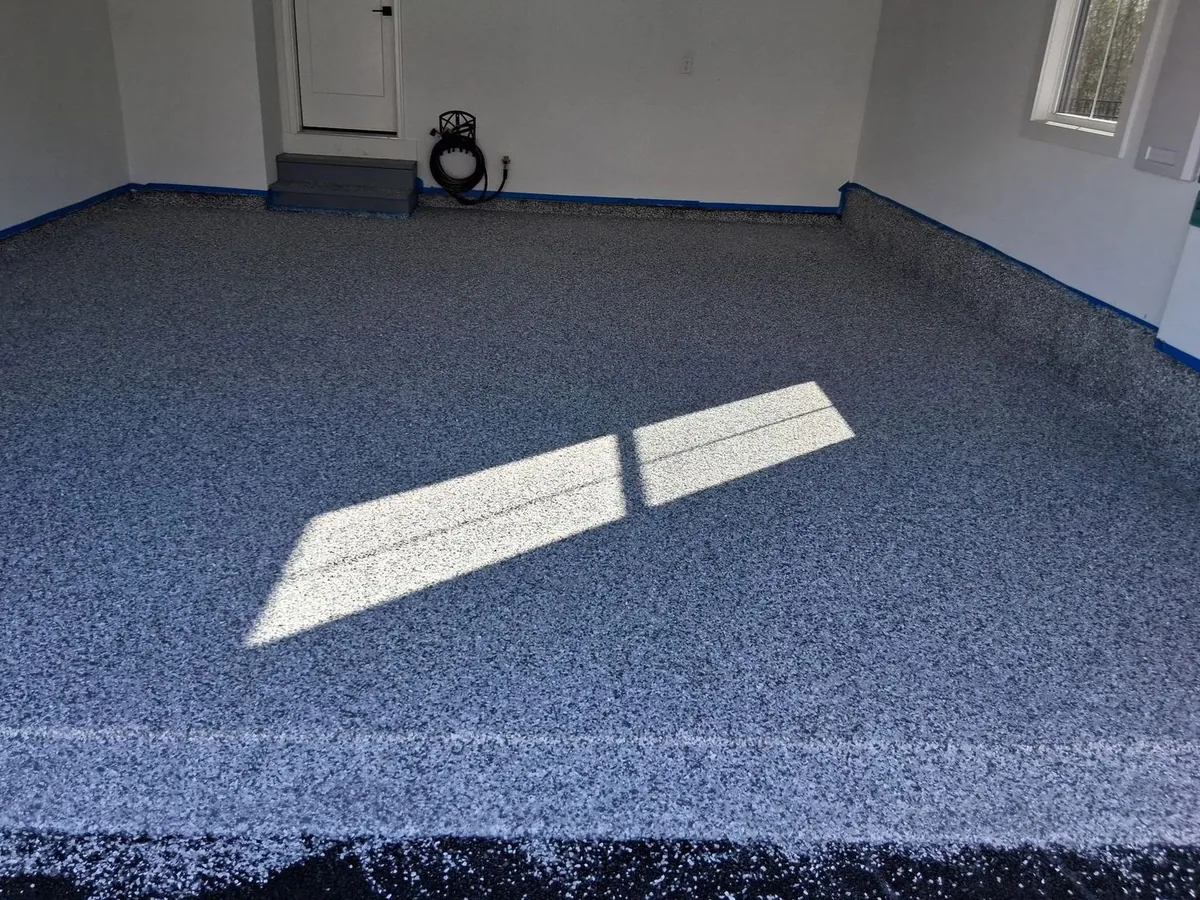

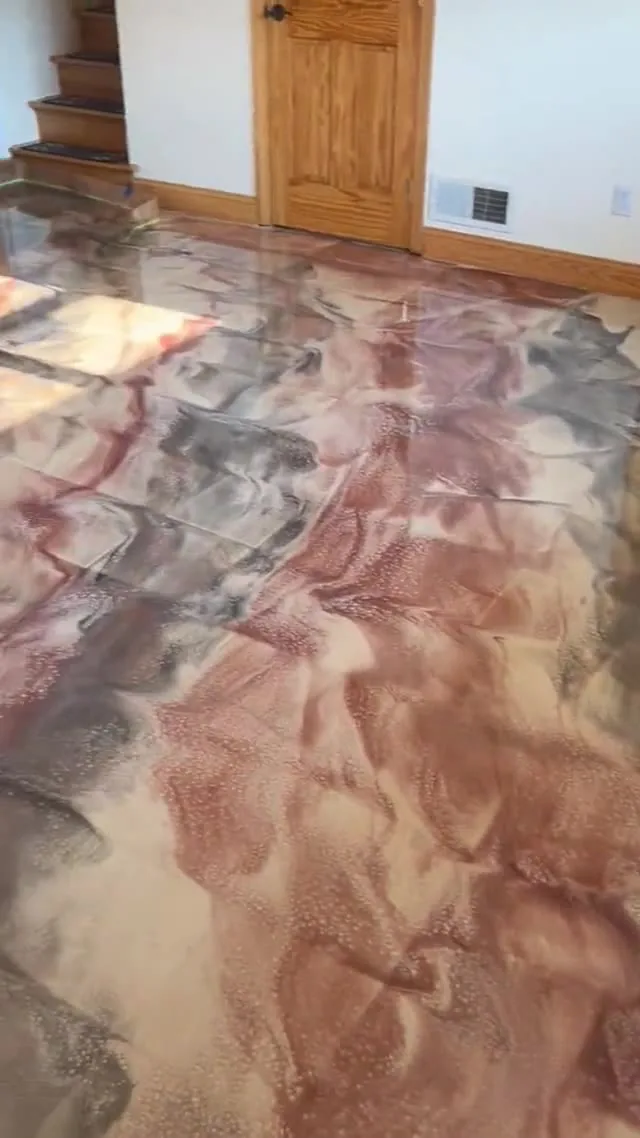
Every floor on this page is one we poured
Your outdoor concrete is a different animal from a garage slab, and most of the difference lands in how we prepare it and when we can work.
We need a dry run of days and temperatures inside the system's range. Dew point matters as much as air temperature, because moisture settling on a curing coat ruins it.
Old sealers are common on pool decks and we take all of it off. Sealed concrete is the most frequent reason an outdoor coating fails, because the new system bonds to the old sealer instead of to your slab.
Freeze and thaw works on your concrete every winter. We cut and fill the cracks, and if one is actively moving we talk to you about it rather than covering it over.
We choose the grit for who uses your space. A pool deck gets a finer profile than a loading ramp, because traction that grips a work boot tears skin.
Outdoors this is not a preference. Clear epoxy ambers in direct sun, and on a Connecticut pool deck that takes one summer.
More grip is not automatically better, and the trade-off is real. We pick the point on it that suits how you use the space.
The aggregate grade that makes a warehouse ramp safe is unpleasant and eventually painful on bare feet. Your deck gets a finer, rounder profile that still works wet.
Your pool deck is not occasionally wet, it is wet all summer. We specify it for that rather than for how it behaves dry.
The rougher we make it, the more dirt it holds and the harder you have to work to brush it out. There is a sensible middle and it depends on who uses the space.
Three things your garage floor never has to deal with.
This is why we make your top coat UV stable. Epoxy ambers; polyaspartic and aliphatic top coats hold their color.
Chlorinated and salt-system water splashes out and dries on your surface all season. We build the system to take that as routine.
A dark color in full sun gets genuinely hot to stand on. If your deck faces south and gets used barefoot in August, that is an argument for a lighter color before it is an argument about style.
Water gets into your concrete, freezes and expands. A sound coating sheds water rather than letting it soak in, which helps, but it will not make a failing slab sound.
4.7 from 15 Google reviews. We publish every one of them on the reviews page, including the one star and what came of it.
great job on my shop Floor thanks again Brad
Floors came out great and the countertops too!
thank you Brad for the wonderful job on my garage floors
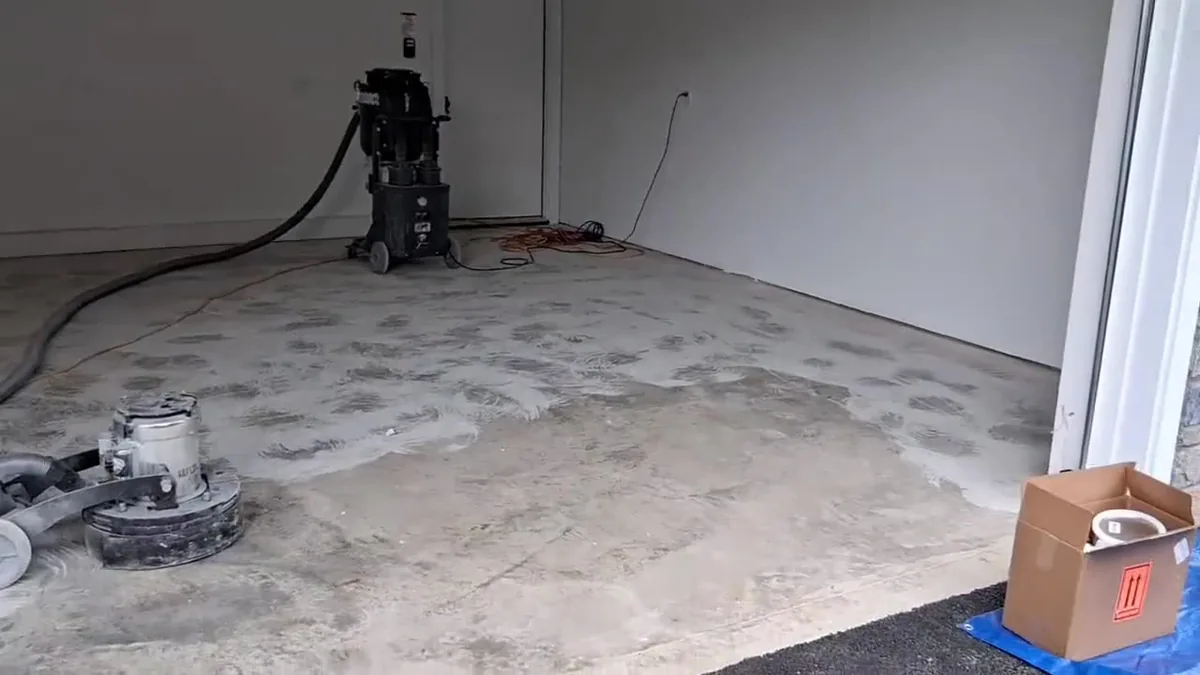
A short window, and a set of conditions that have to line up for us.
That is our workable season for outdoor resin here. Booking in February for May is normal; ringing us in June for June rarely works.
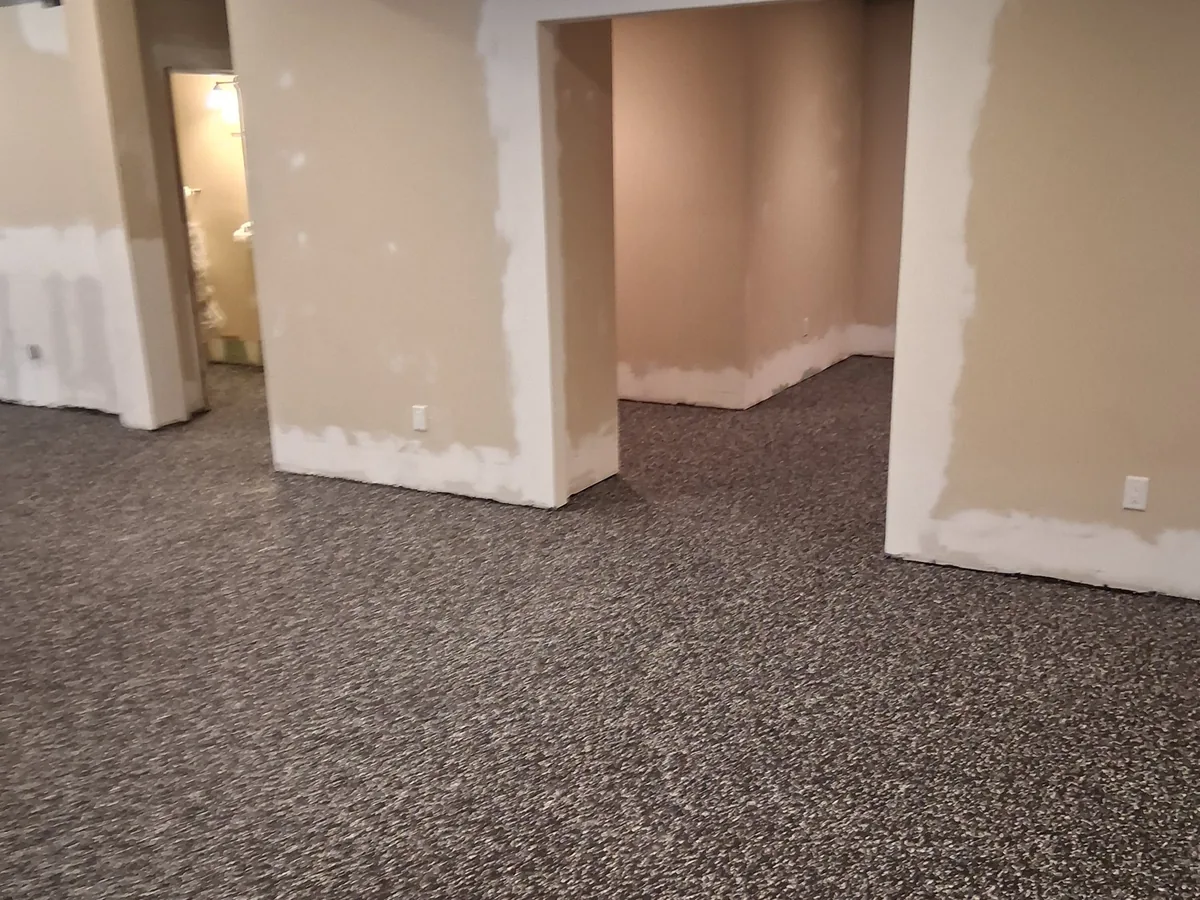
We need a run of them, not one good day. Rain on a curing coat is not a delay, it is a redo.
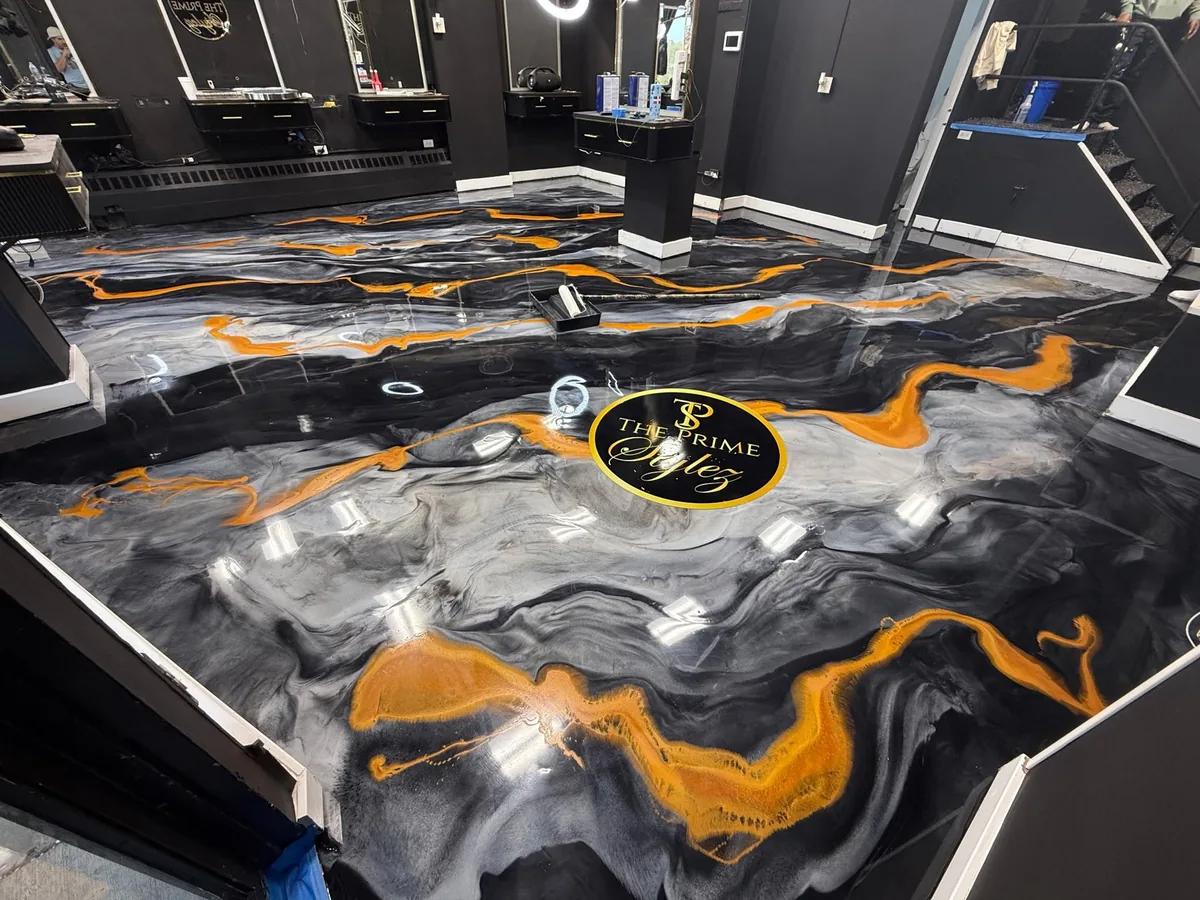
Moisture settling overnight onto a curing coat causes blushing and adhesion problems. That is why we stop earlier in the day outdoors than you would expect.
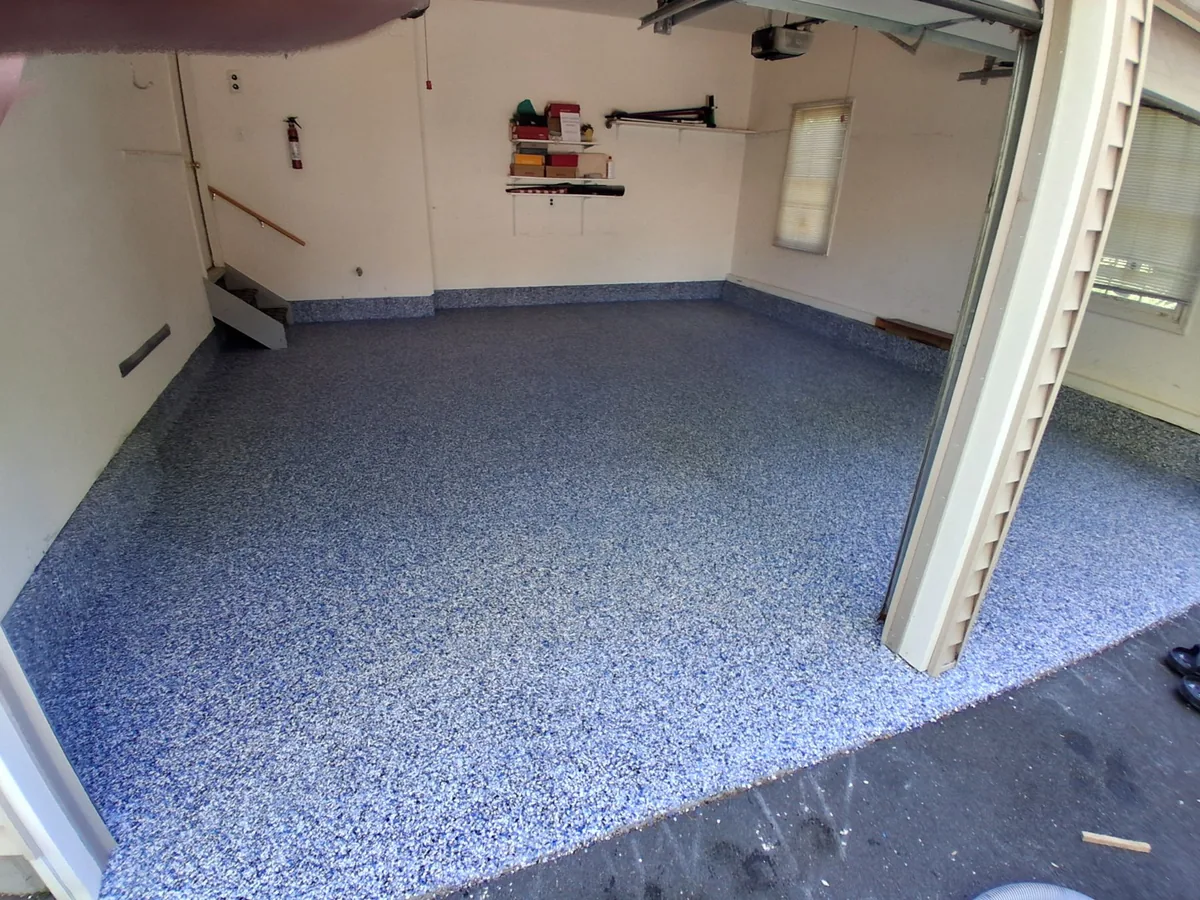
Whether your pool needs lowering, and where splash-out will land while we work, are worth settling at the quote.
Resin is one option among several and it is not always your right one.
Pavers can be lifted and relaid and they drain between the joints. They also settle, weed and trip you. What we put down is seamless and stays put.
The common pool deck spray finish is cheaper and thinner, and it typically needs redoing far sooner. Resin with the right top coat lasts you considerably longer.
A sealer is not a coating. It darkens your concrete, protects it a little, and does nothing for grip or appearance.
If your concrete is structurally failing, a coating is the wrong answer and Brad will tell you so.
What you do, so our crew is not standing about.
Everything off, including the heavy pots. Anything you leave behind leaves an outline in the finished floor.
Grinding dust and overspray near your open pool is worth us planning for rather than discovering.
Your sprinkler on a timer over a curing coat ruins it, and so does a downpipe discharging onto the deck. Turn both off before we start.
Longer outdoors than indoors, because your coating cures at whatever the air is doing.
We install six systems, and most floors we put down combine two of them.
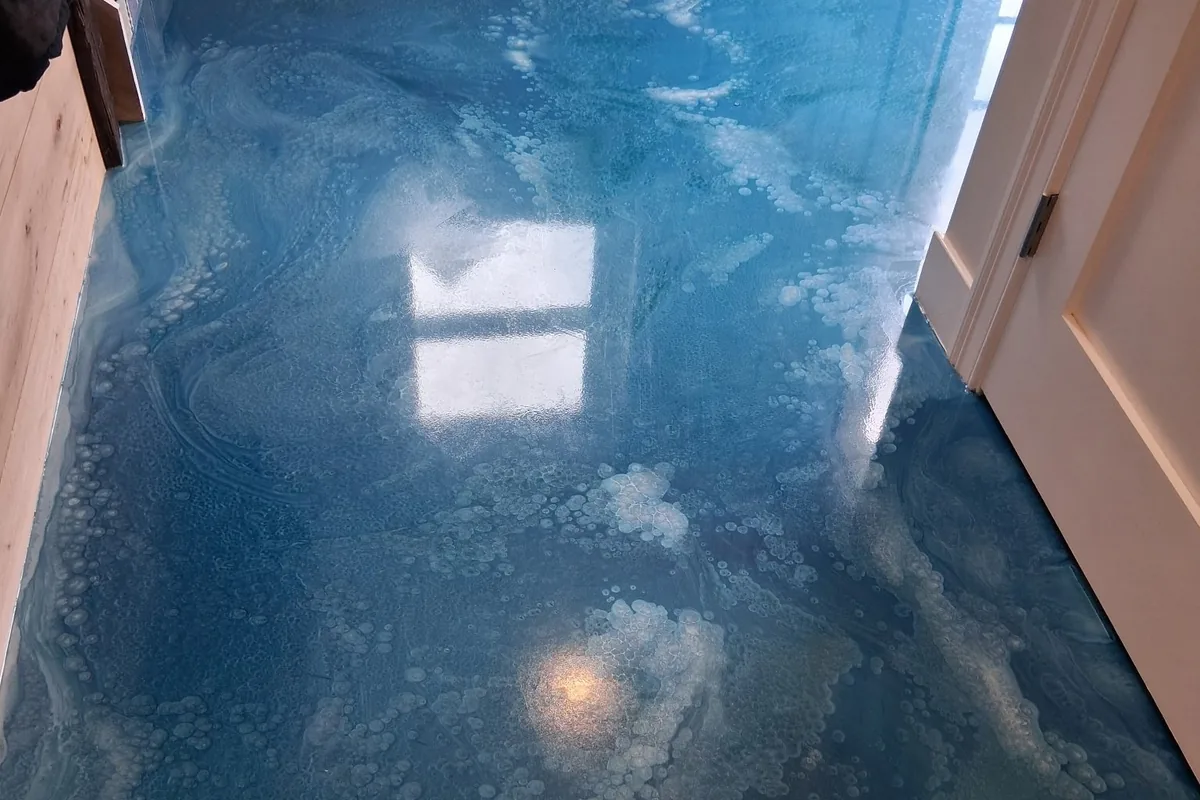
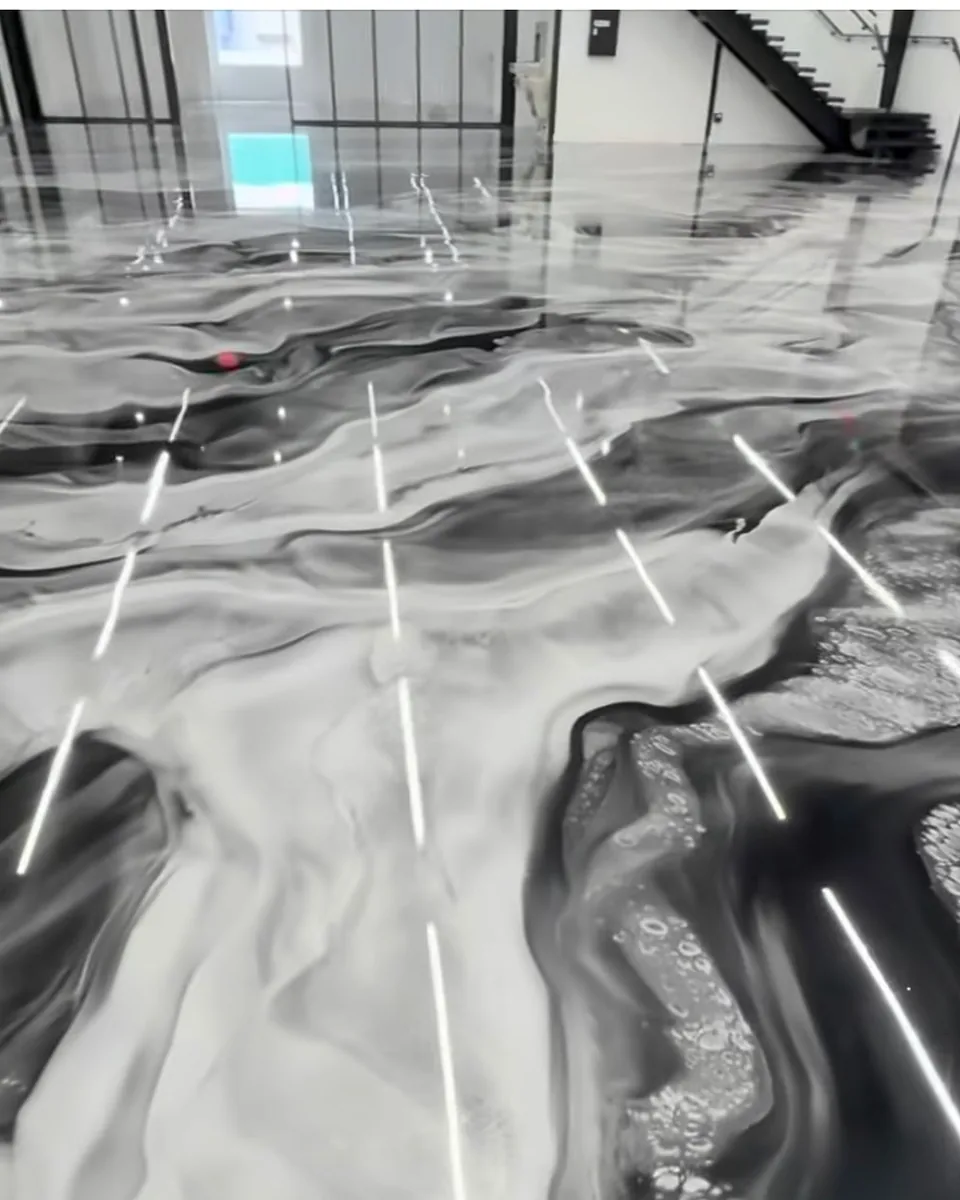
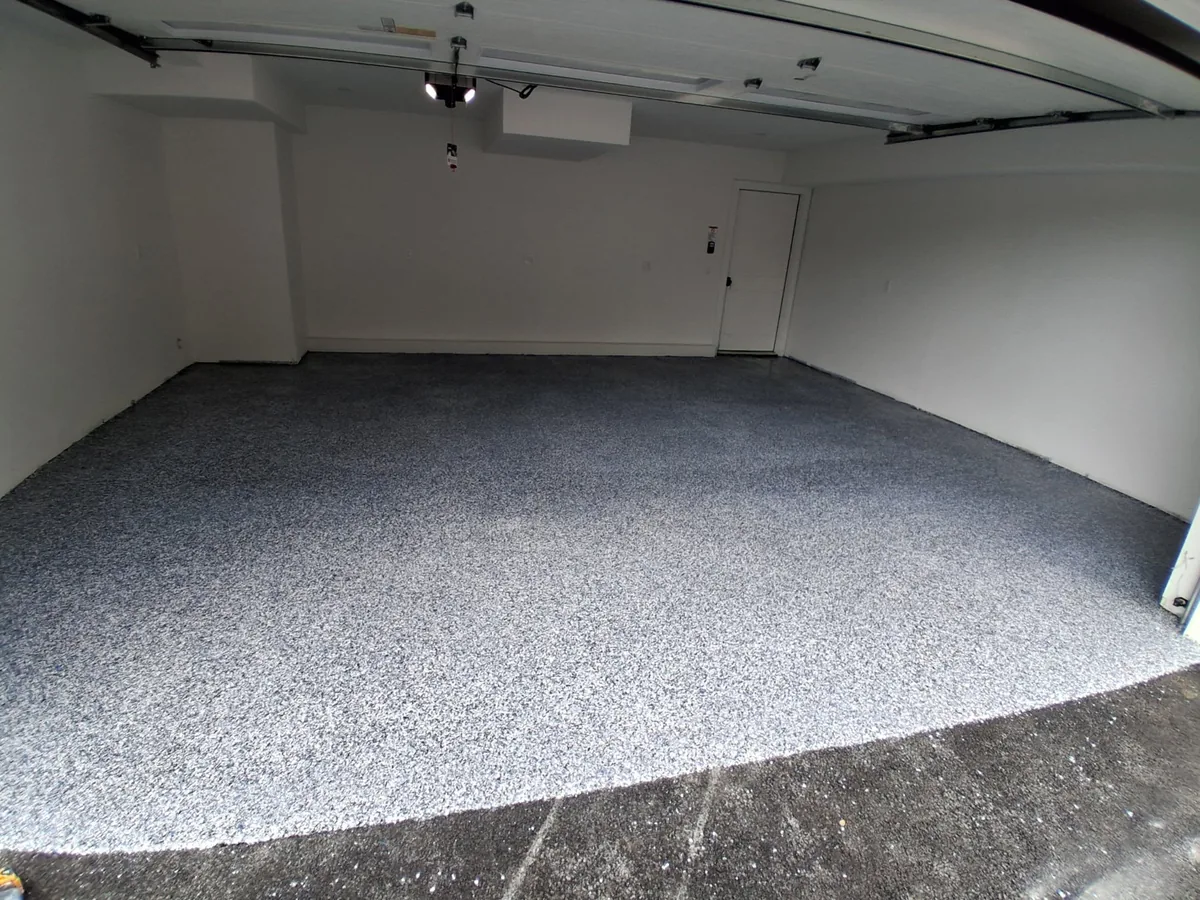
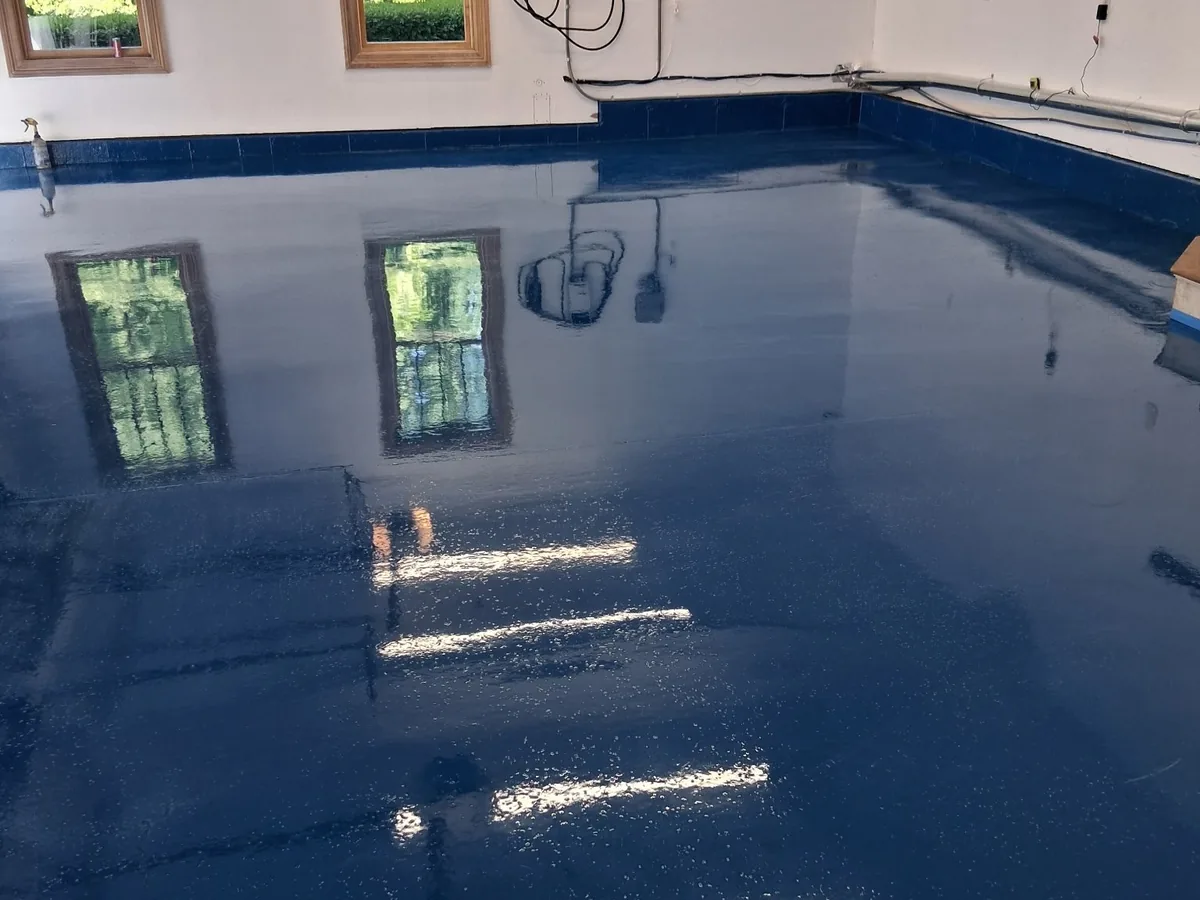
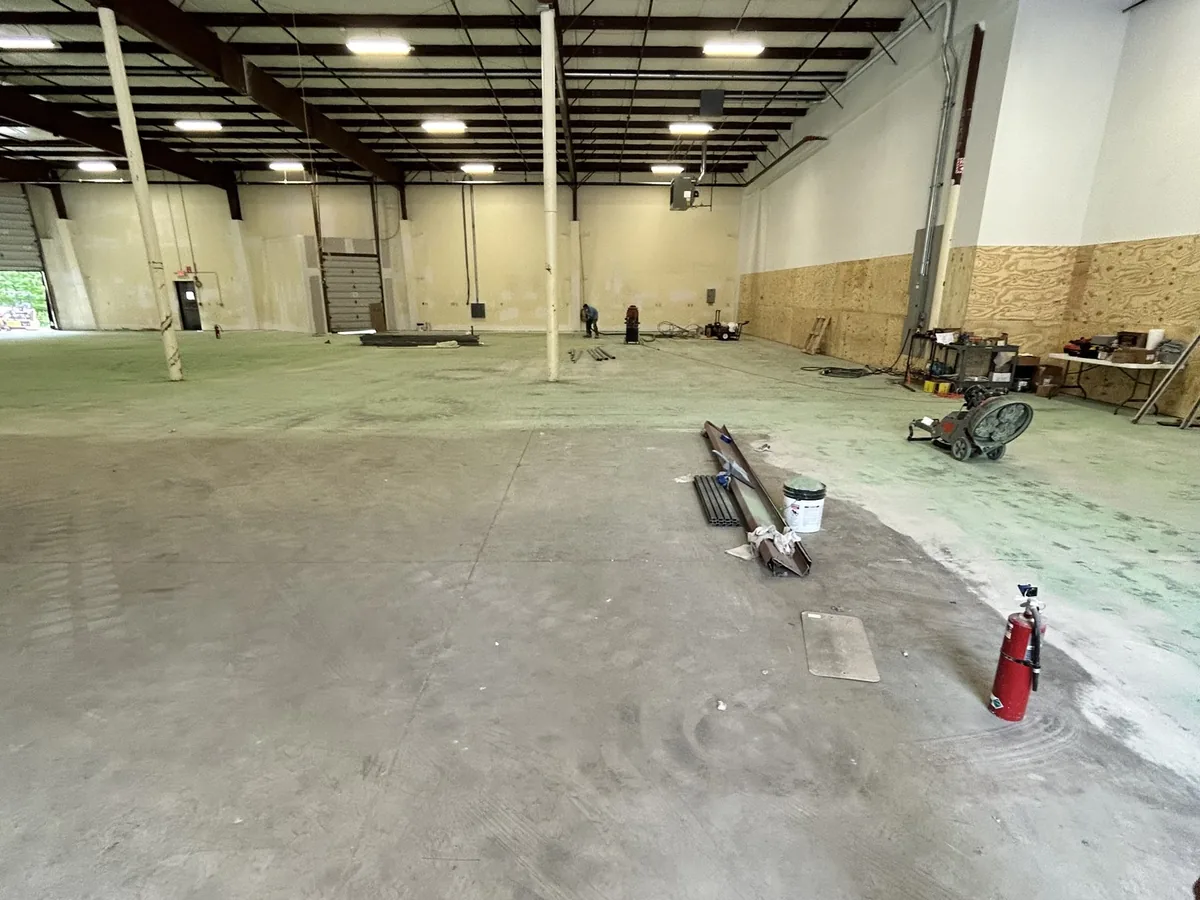
We put down four layers, and each one has its own job. Scroll and we'll take your floor apart so you can see them.
Three steps, and Brad does every one of them himself. Most residential floors are finished in a day.
Tell us the room and roughly how big it is. We'll talk you through the range and book a time to come and look, often the same day. Weekends count, and there's nothing to sign.
He checks for cracks, old coating and moisture, then measures up. You choose your flake blend or metallic against your own floor, not a brochure. Your written quote comes back the same day.
Your slab goes back to bare concrete under a diamond grinder with dust extraction. Then the primer, the body coat with your flake or metallic, and the top coat. You get your walk-on and park-on times with the quote.
A broadcast texture and a UV-stable top coat, because a pool surround is wet, barefoot and in full sun for four months of the year.
Get my free quoteWe put these systems onto concrete. If you have pavers or stone, ask us rather than assuming either way.
Freeze and thaw is hard on any outdoor surface. Our preparation and the right system matter more here than anywhere else.
That is the point of the aggregate we choose. Tell Brad it is a pool deck and we build it for wet.
Yes, and we specify it differently from an indoor floor: grip chosen for your bare feet and a UV-stable top coat so it holds its color.
Color drives that more than the coating does. A lighter color on a south-facing deck is worth choosing for comfort rather than for looks.
We build these systems for concrete. If you have pavers, stone or timber, ask us rather than assuming either way.
Not on a system we build for a pool deck. Tell Brad it is around water and we build it for that.
We take it off. Coating over an old sealer is the most common reason an outdoor floor fails, because the new system bonds to the sealer rather than to your concrete.
Early. Our workable outdoor season here is late spring to early autumn, and we need a run of consecutive dry days inside it.
What we put down is thicker and lasts you considerably longer. The spray finishes are cheaper and typically need redoing sooner.
Clear your furniture, plan for the water, and turn off irrigation and anything that discharges onto the deck.
Tell us roughly what you have and we'll come and look at it. The quote is free, there's nothing to sign, and you'll know what your floor costs before you commit to anything.
Get Your Free Quote Call or Text (203) 496-6386