
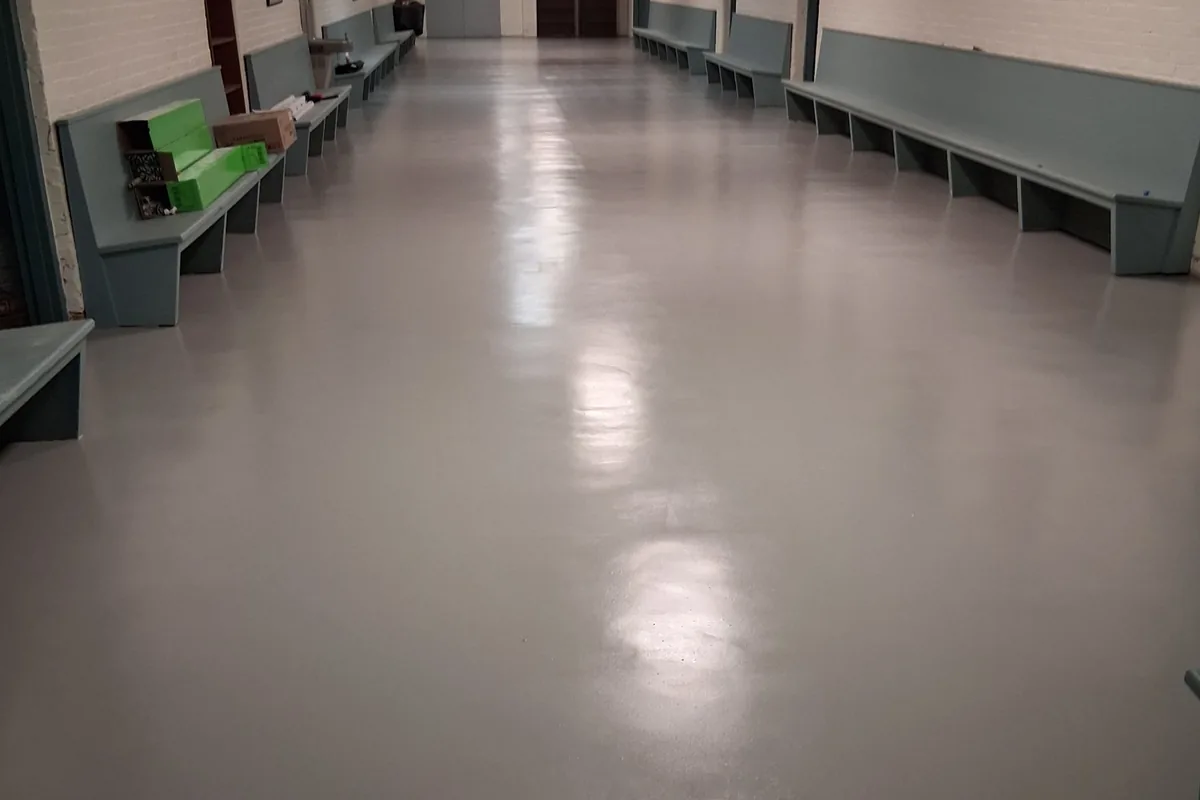
What is on the floor
Every chemical, how often, and at what temperature. This decides what we specify more than the traffic does, and a vague answer gets you a vague specification.
Your plant floor takes forklift traffic, thermal shock and whatever gets spilled on it, on a slab that moves at the joints. We treat those joints rather than filling them and forgetting them, because a joint bridged with rigid filler cracks the floor either side of it.
Free, no obligation, and nothing to sign. We answer the same day, weekends included.
Load, chemicals, and the fact that you cannot take the floor out of service easily.
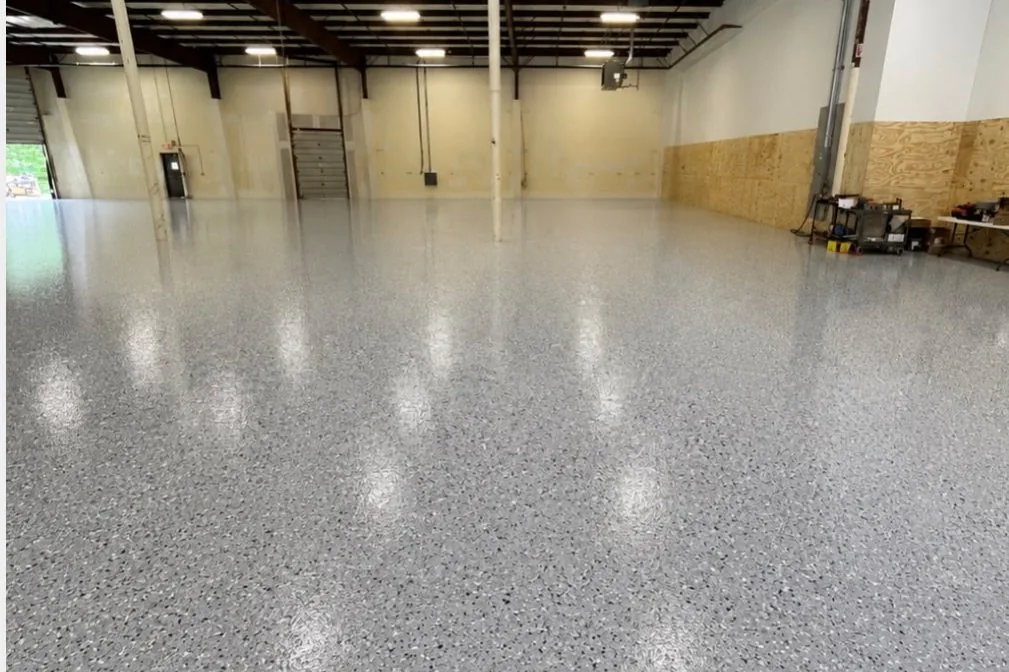
We build with quartz or aggregate so your floor carries impact that a thin coating would chip under. In a plant that thickness is the specification, not an upgrade.
Solvents, oils and cleaning chemicals attack coatings at different rates. What lands on your floor decides the top coat, so be specific with us about it.
Your forklifts do the most damage where they turn. Those areas wear first, so point them out to us before we specify the floor rather than after they fail.
Sometimes, and it depends on why yours is failing.
That usually means the original bond was poor or moisture is moving under it. Recoating over that repeats the failure, so we take it off.
If your floor is simply worn, we can often prepare and recoat it, which is a much smaller job than replacing it.
A coating does not fix a structural problem. Brad will tell you so rather than cover it.
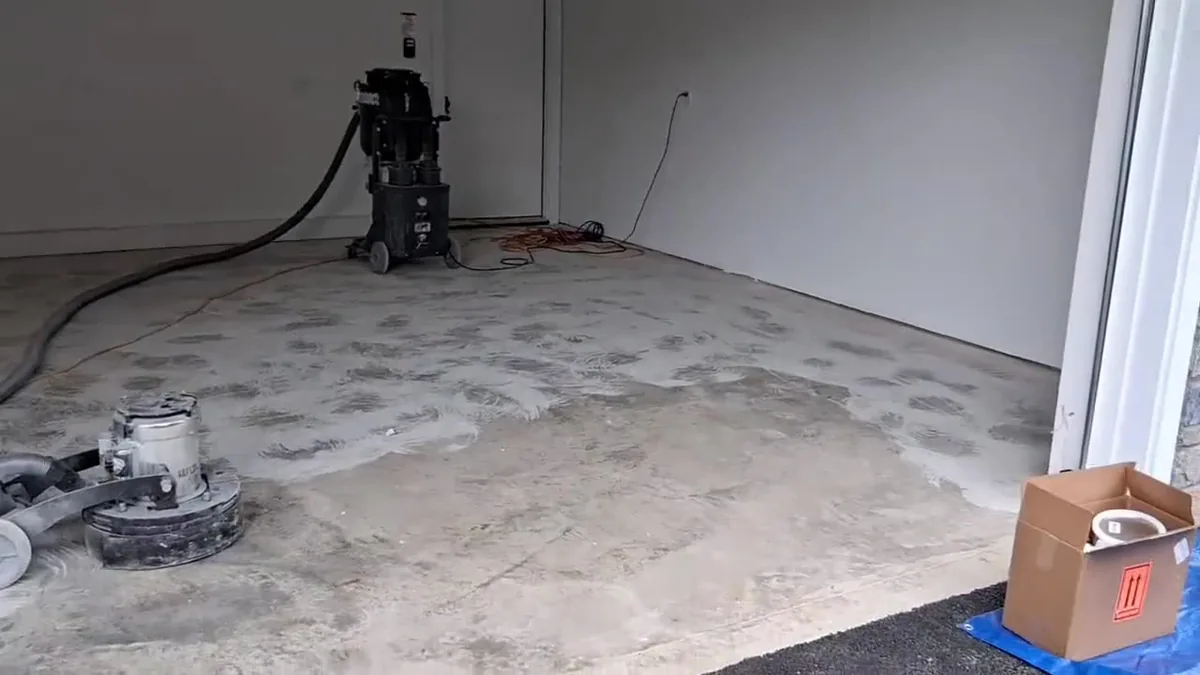
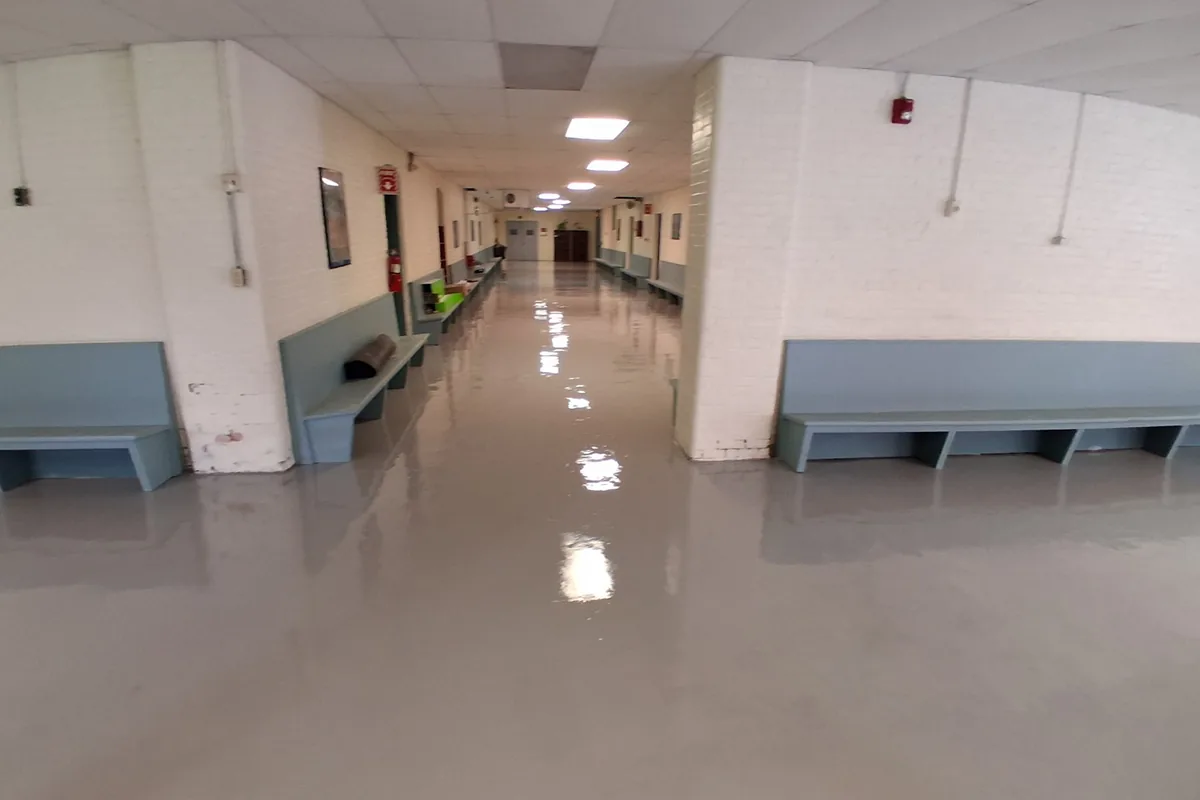
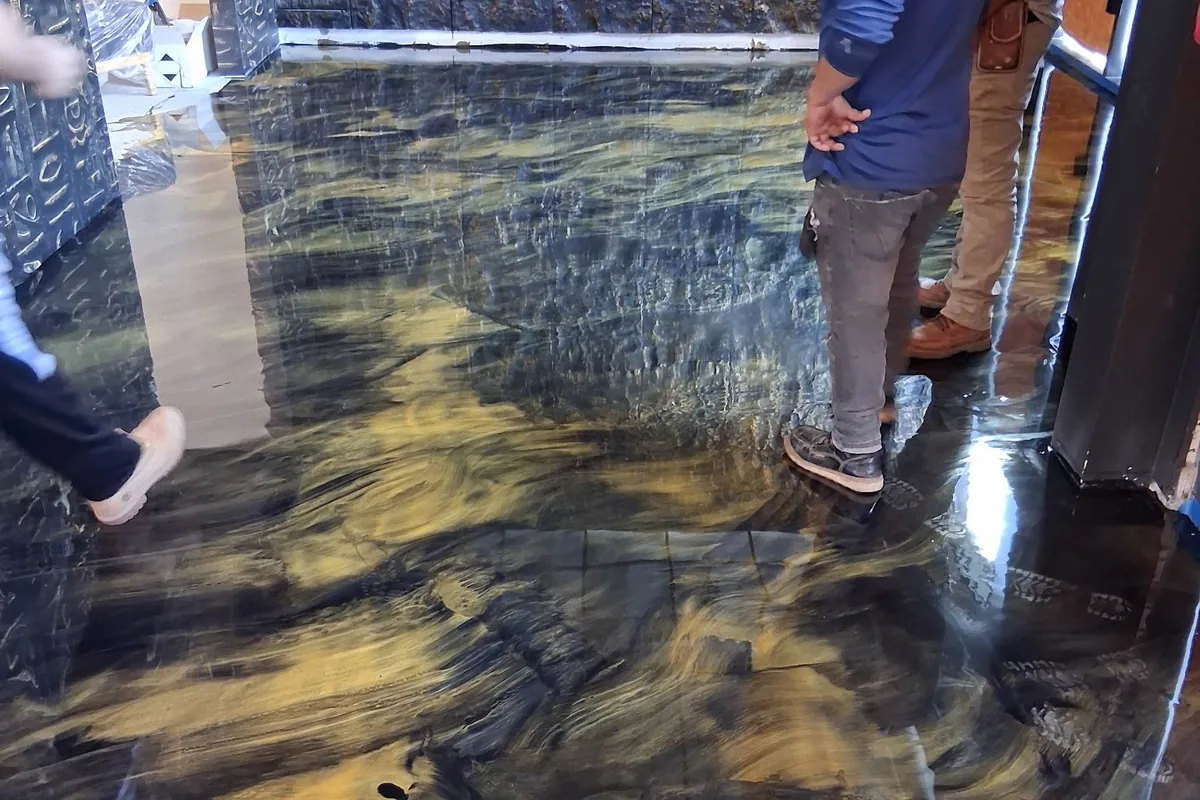
Every floor on this page is one we poured
Industrial is not one specification. What is on your floor and what runs over it decide the system we build.
Dropped tooling, pallets and racking legs. Thickness carries impact, which is why we put aggregate-built systems where thin coatings chip.
Hard wheels concentrate load, and turning grinds. Wear shows first at your turning points and at the ends of aisles, so identify those for us before we specify.
Solvents, acids, oils and coolants all attack coatings at different rates. Being specific about what gets spilled and how often is the single most useful thing you can tell a contractor.
Hot wash-down onto a cold slab moves the coating and the concrete at different rates. We use urethane-based systems where standard epoxy fails you.
Conductive and dissipative systems exist for it, and we have to specify yours from the start rather than add it later.
Bigger machines, the same principle, and more that can be wrong under your slab.
We usually shot blast a large floor rather than grind it, which opens the surface faster over your area and gives a consistent profile.
Most industrial slabs have been coated before, often more than once. We take all of it off. Recoating over a failing bond repeats the failure and buys you a year.
Your slab has saw cuts and construction joints that are supposed to move. We treat them rather than filling and forgetting them, because a joint bridged with rigid filler cracks your floor either side of it.
A large slab on grade without a working vapour barrier is a common finding, and it is why we test your floor properly rather than with a plastic sheet.
On an industrial floor the coating is rarely the expensive part. Your stopped line is.
Bays, aisles or halves. It costs more in setup and it keeps your building working.
Your foot traffic returns before wheels, and wheels before heavy plant. Three different dates, and we put all three in the quote.
Your planned shutdown is the natural slot, and those book out. Talk to us early and the floor is far more likely to fit the window.
Racking, machinery and anything bolted down. This is usually your longest lead item on the whole job and it is not ours to arrange.
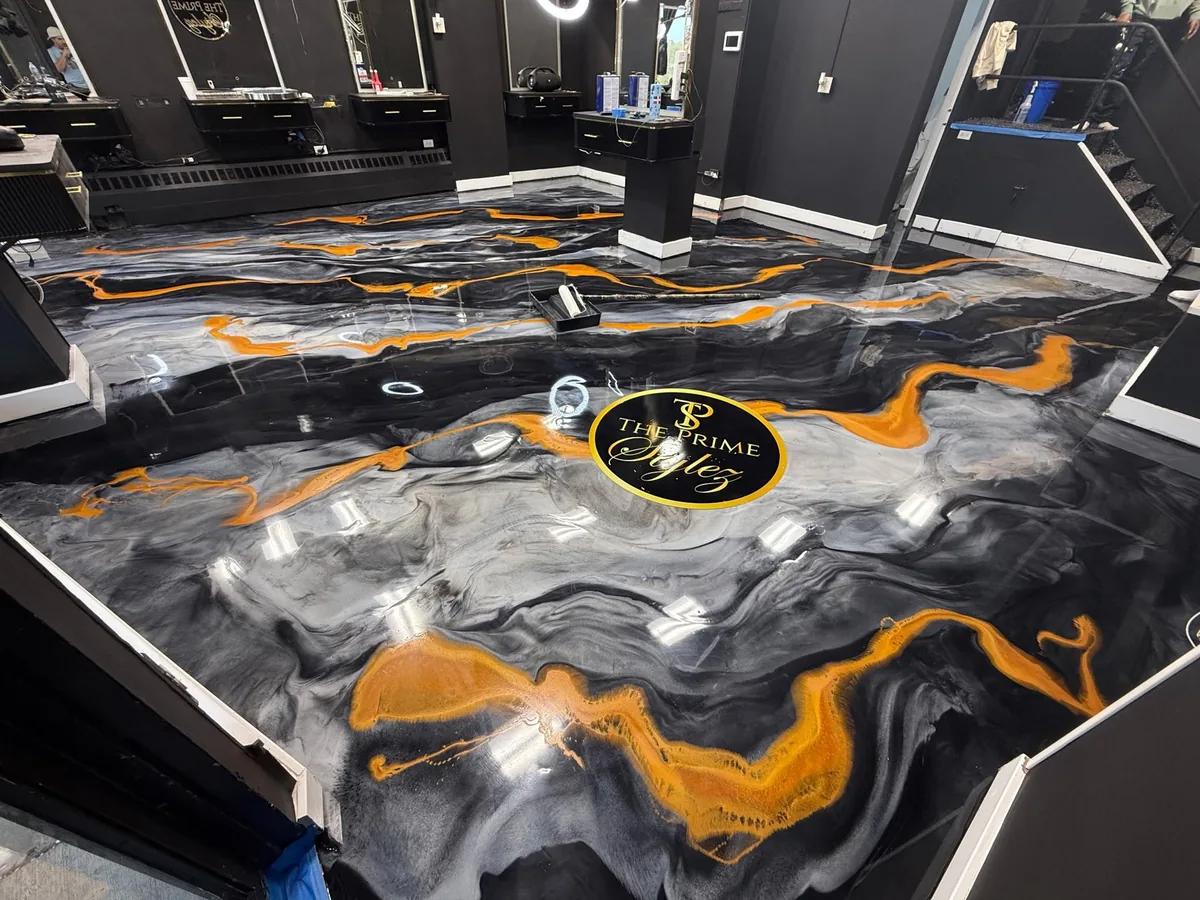
4.7 from 15 Google reviews. We publish every one of them on the reviews page, including the one star and what came of it.
great job on my shop Floor thanks again Brad
Floors came out great and the countertops too!
thank you Brad for the wonderful job on my garage floors
The information a contractor needs from you, and what to expect back.
Every chemical, how often, and at what temperature. This decides what we specify more than the traffic does, and a vague answer gets you a vague specification.
Wheel type matters as much as weight. Hard polyurethane forklift wheels concentrate load on your floor in a way pneumatic tires do not.
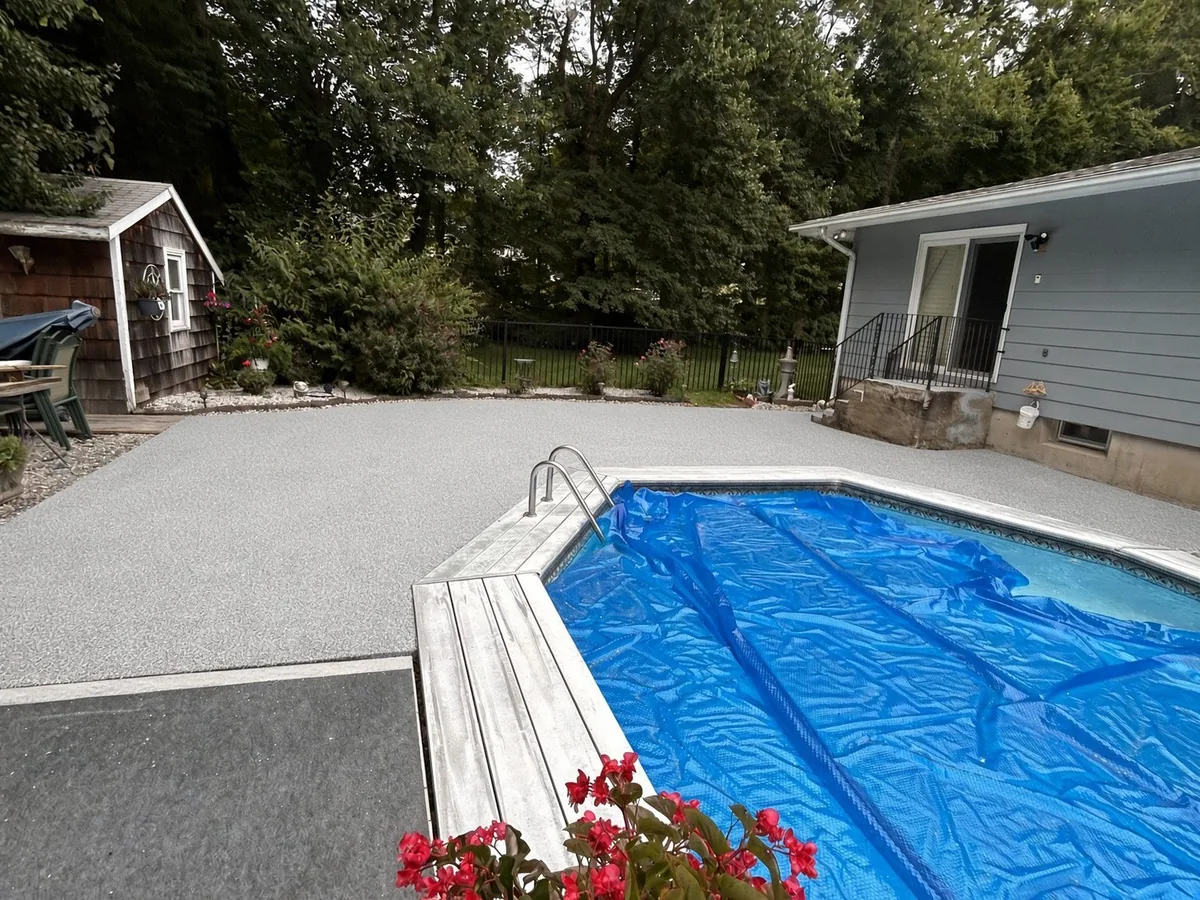
Hot wash-down, cold stores and anywhere with a big daily swing. We use urethane systems that handle movement rigid epoxy does not.
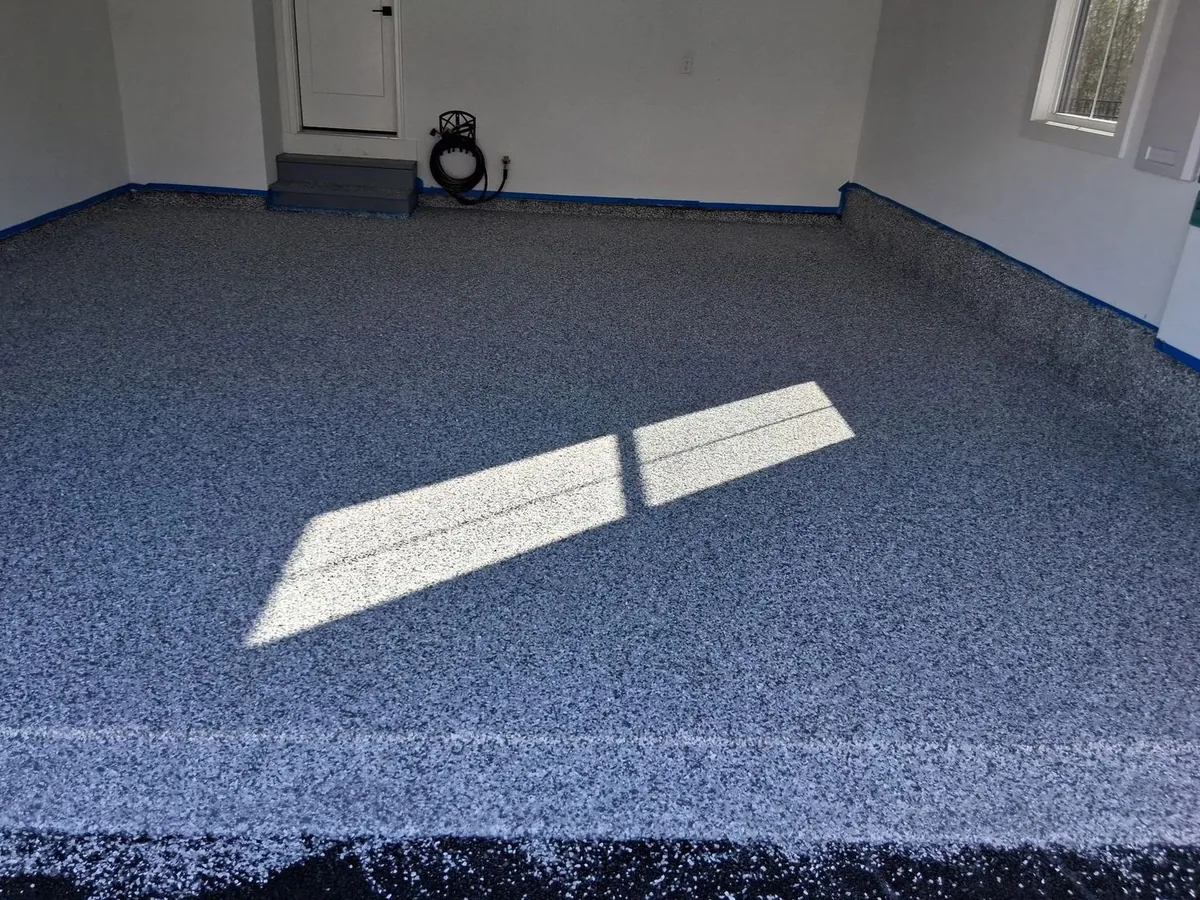
You should get a build specification by layer, a preparation method, a cure and return-to-service schedule, and data sheets. A single number with none of that is not a specification.
Treat your floor as an asset and it lasts far longer than one treated as a surface.
Walk your floor annually and look at turning points, doorways and drain surrounds. You can see wear long before it is a failure.
Let us renew your top coat while it is still intact and it costs a fraction of repairing a floor worn through to the substrate.
We cut out a chipped area, fill it and recoat it. Industrial floors get maintained rather than replaced, if they were built properly.
So that when we repair your floor in three years we use a compatible system rather than a guess.
The paperwork, which on your kind of job is part of what we deliver rather than an extra.
Most facilities want them before a contractor is on site. Ask us at the quote so they are ready rather than chased on the morning.
An enclosed industrial space needs air moving through it while coatings cure. That is a planning item involving your facilities team, not just the flooring crew.
If your floor has to meet a figure, tell us. Retrofitting grip to a finished floor is a second job.
If you have an internal color standard for walkways and hazard zones, bring it to the quote and we will match the rest of your site.
We keep it on file, so a repair in three years uses a compatible system rather than a guess.

We install six systems, and most floors we put down combine two of them.
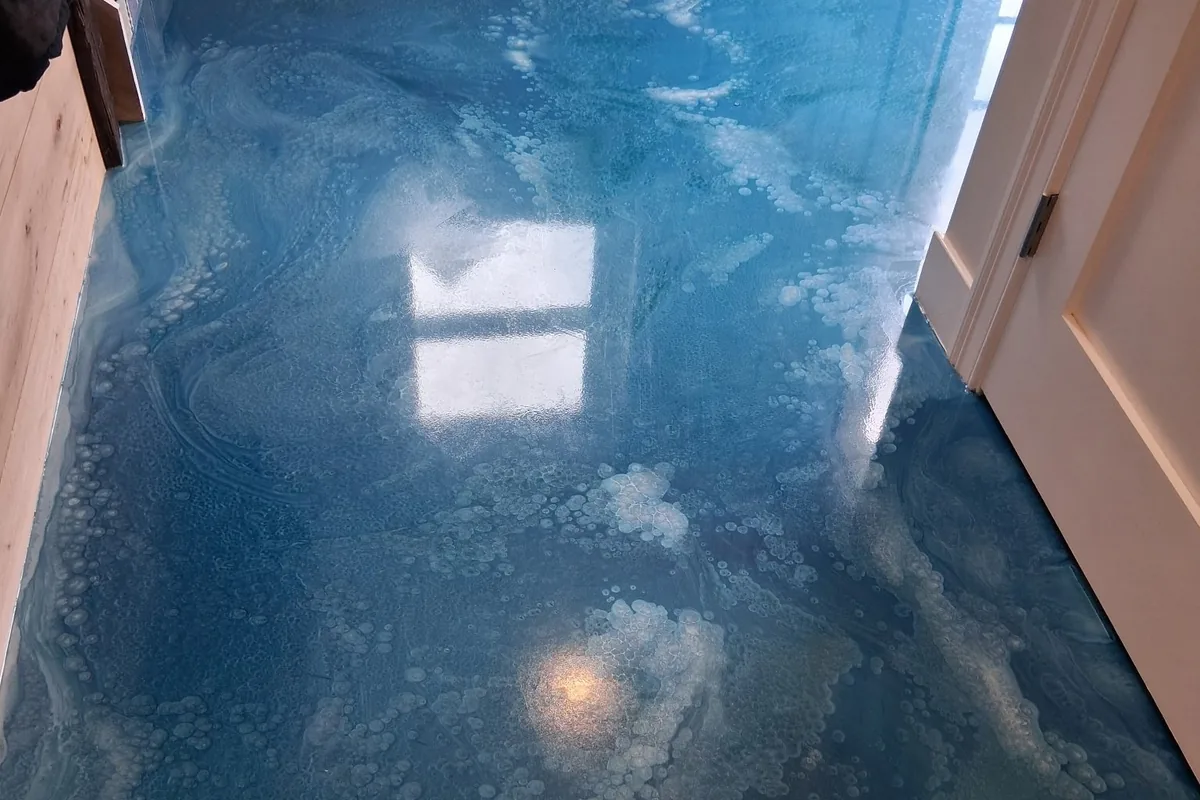
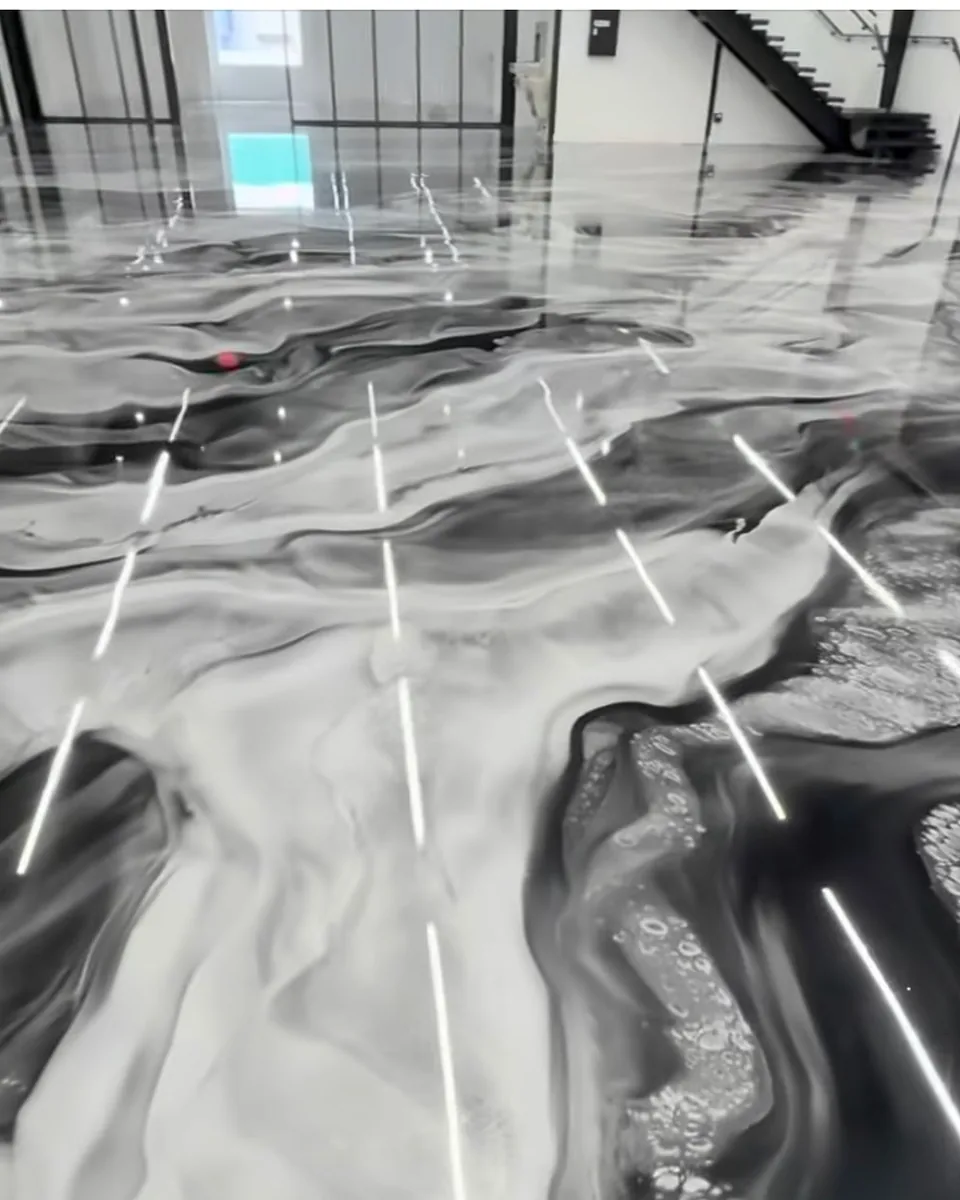
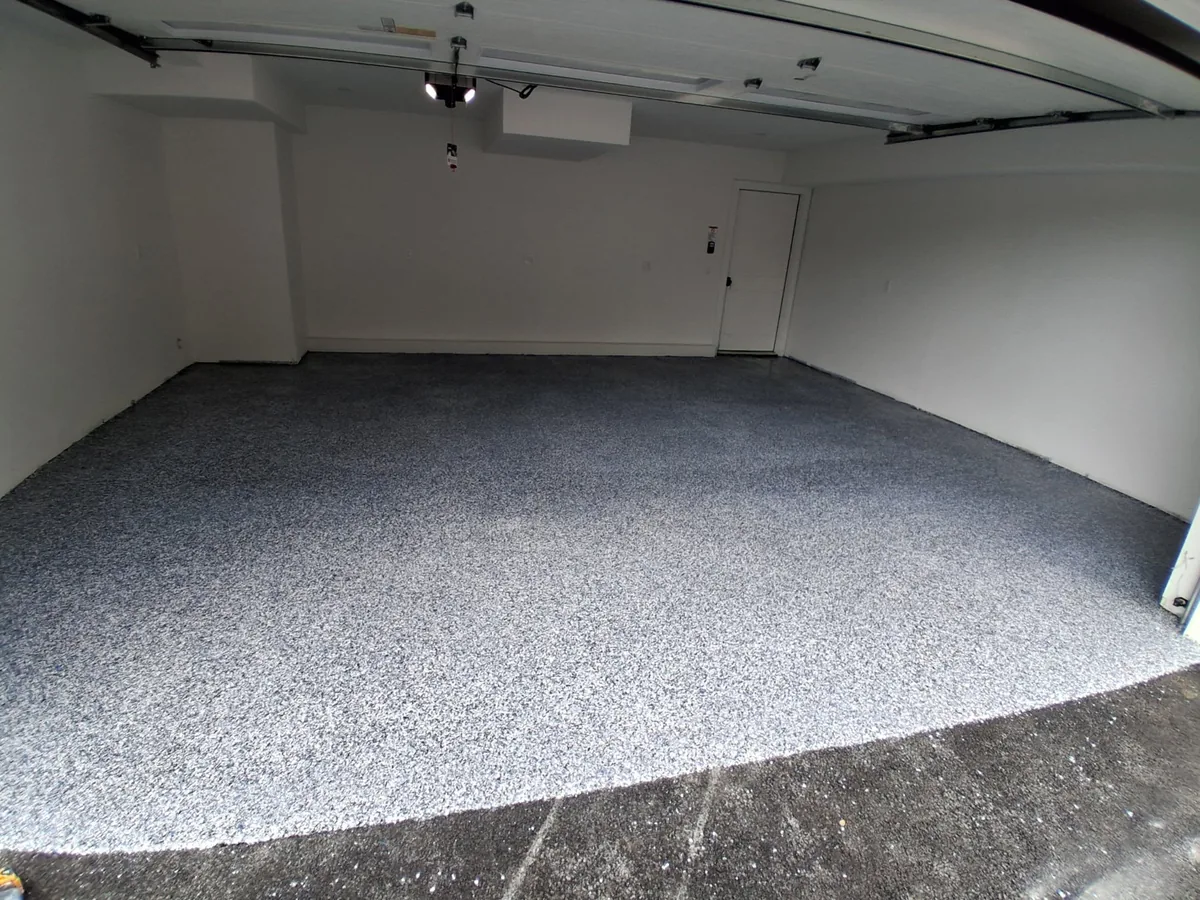
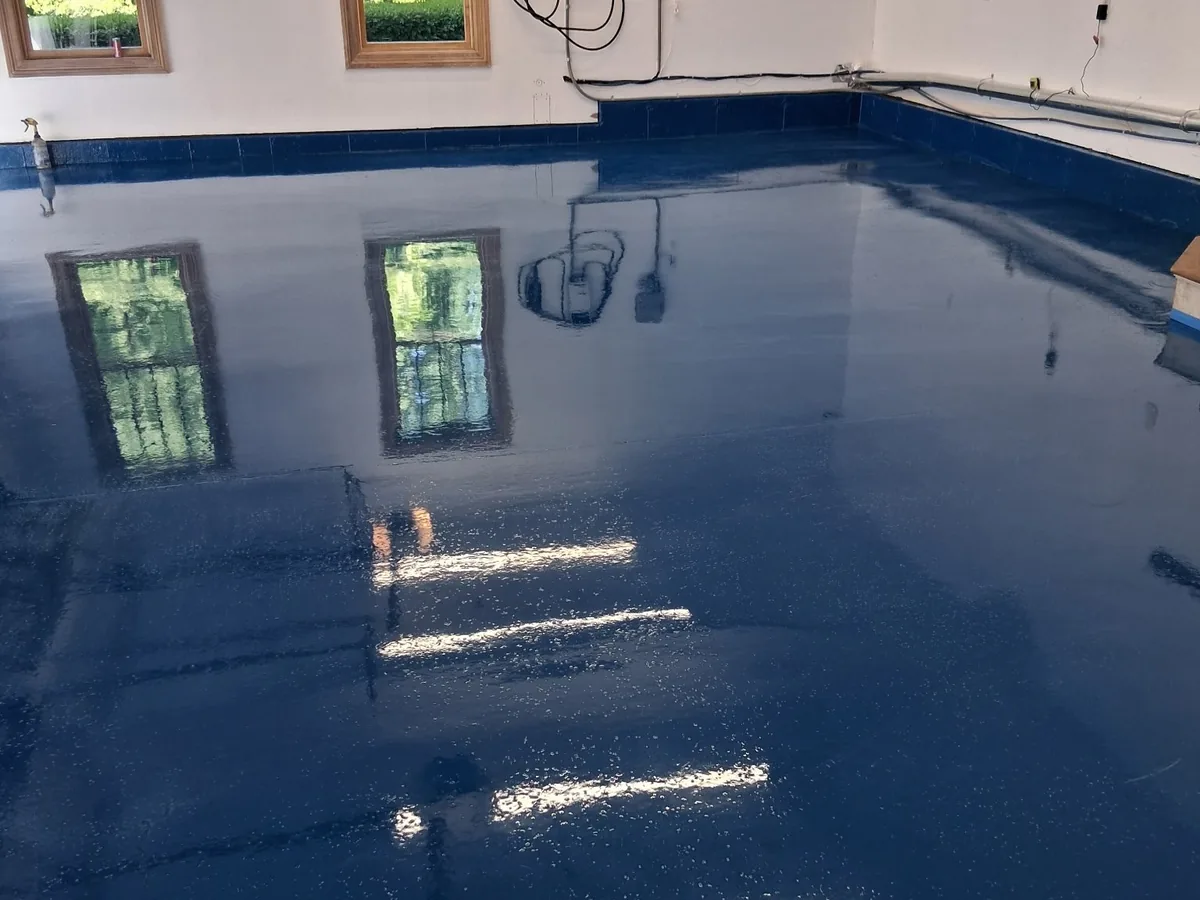
We put down four layers, and each one has its own job. Scroll and we'll take your floor apart so you can see them.
Three steps, and Brad does every one of them himself. Most residential floors are finished in a day.
Tell us the room and roughly how big it is. We'll talk you through the range and book a time to come and look, often the same day. Weekends count, and there's nothing to sign.
He checks for cracks, old coating and moisture, then measures up. You choose your flake blend or metallic against your own floor, not a brochure. Your written quote comes back the same day.
Your slab goes back to bare concrete under a diamond grinder with dust extraction. Then the primer, the body coat with your flake or metallic, and the top coat. You get your walk-on and park-on times with the quote.
Joints that are supposed to move are treated rather than filled and forgotten, because a joint bridged with rigid filler cracks the floor either side.
Get my free quoteYes. Tell Brad what you spill and how often, because that decides the system we use.
Often, in sections or out of hours. Talk to us about your schedule early.
Yes, and if you have wash-down areas we normally do it in the same job.
It depends on the exposure. Aggregate-built systems carry impact, urethane systems handle thermal shock, and the right answer comes from what happens on your floor rather than from a product name.
If yours is worn but sound, often. If the existing coating is lifting, we take it off first, because the failure is in the bond underneath.
Both, and if you have wash-down areas we normally include cove base in the same job.
Thicker than a domestic one, and how we build it depends on the impact and traffic your floor carries. We specify per floor rather than off a standard.
What you spill and how often, what runs over your floor and on what wheels, the temperature range, and whether we can phase the space.
Before it wears through. Renewing your intact top coat costs a fraction of repairing a floor worn back to substrate.
Ask us at the quote and we will have them ready. Most facilities want them before anyone is on site.
Tell us roughly what you have and we'll come and look at it. The quote is free, there's nothing to sign, and you'll know what your floor costs before you commit to anything.
Get Your Free Quote Call or Text (203) 496-6386